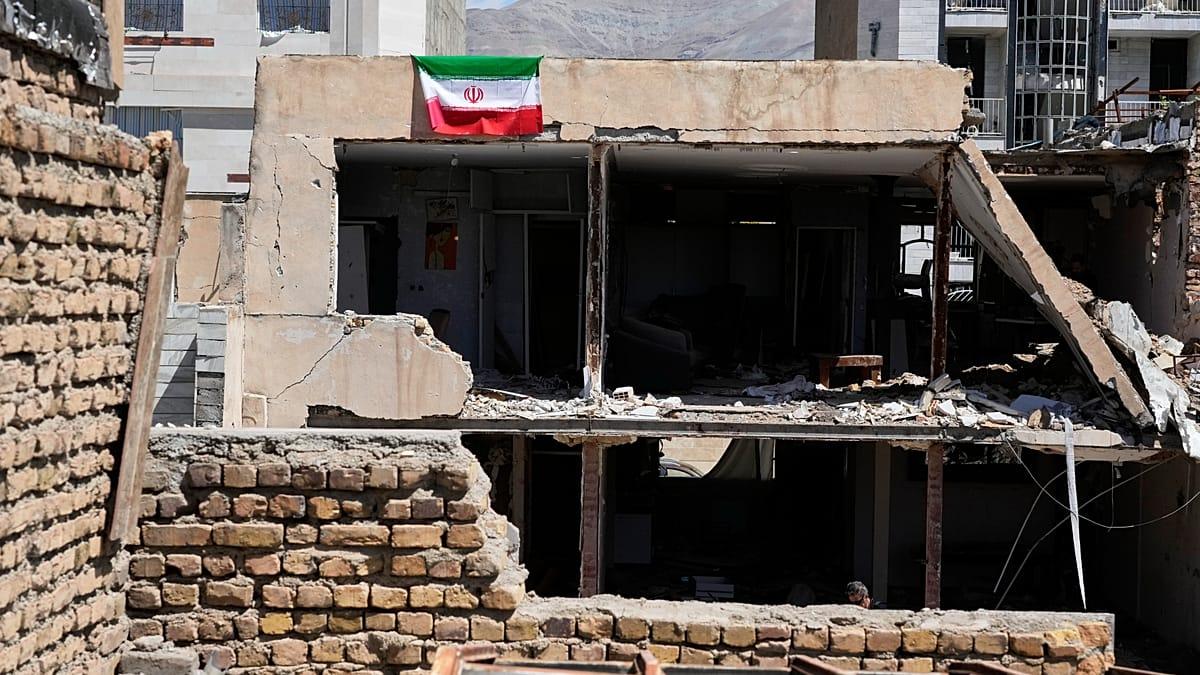
U.S. Military Fully Implements Strait Of Hormuz Blockade, Iran Threatens Wider Shipping Disruptions
Key Takeaways
- U.S. blockade fully implemented, halting Iranian ports and cutting international sea trade.
- Iran threatens expanded disruption of Hormuz shipping, including possible complete closure.
- A two-week ceasefire is in effect, with mixed assessments from both sides.
Hormuz Strait Blockade
The Strait of Hormuz has become a focal point of escalating tensions between Iran and the United States.
The U.S. military said it had completely halted economic trade going into and out of Iran by sea.

Iran responded by threatening to block shipping in the Persian Gulf, the Sea of Oman and the Red Sea.
The blockade affects about 90% of Iran's $109.7 billion in annual seaborne trade.
Six merchant vessels departing an Iranian port were confronted and forced to turn back within the first 24 hours.
Navigational Complexities
Navigating the Strait of Hormuz has become increasingly complex, with ships caught between competing sovereignties.
Iran demanded sovereign fees while the American presence imposed de facto guardianship.

Diplomatic coordination played a key role in some successful crossings.
China acknowledged pre-coordination for passage of its ships.
Survival depended not only on the ship's flag but on the cargo's identity.
Iran Threatens Retaliation
Iran's armed forces warned they would expand their influence over sea lanes beyond the Strait of Hormuz.
Maj. Gen. Ali Abdollahi said Iran's powerful armed forces will not allow any exports or imports to continue.
The blockade came amid a shaky two-week ceasefire in the broader conflict.
Vice President JD Vance was expected to lead a potential second round of negotiations.
The blockade risks straining Washington's ties with countries such as China and India.
Economic and Diplomatic Fallout
The blockade is estimated to cost Iran approximately $435 million a day.
The IMF cut its global growth forecast to 3.1% for 2026.

China called the U.S. blockade a dangerous and irresponsible act.
Israel and Lebanon agreed to continue direct negotiations.
Iran carried out its highest number of executions in more than three decades in 2025.
More on Iran
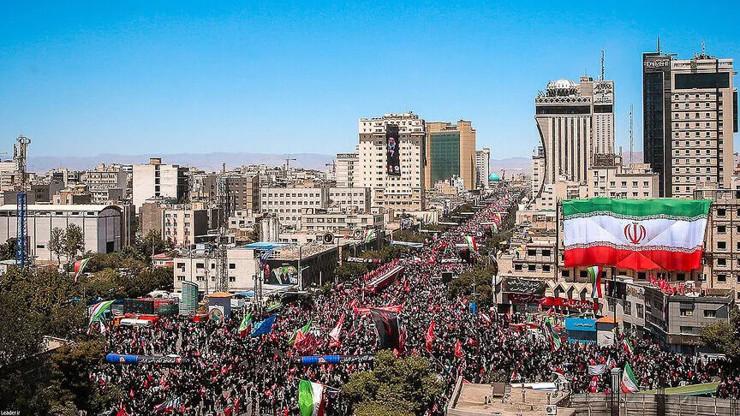
Israeli Strike Kills Ayatollah Ali Khamenei, Buried at Imam Reza Shrine in Mashhad
19 sources compared
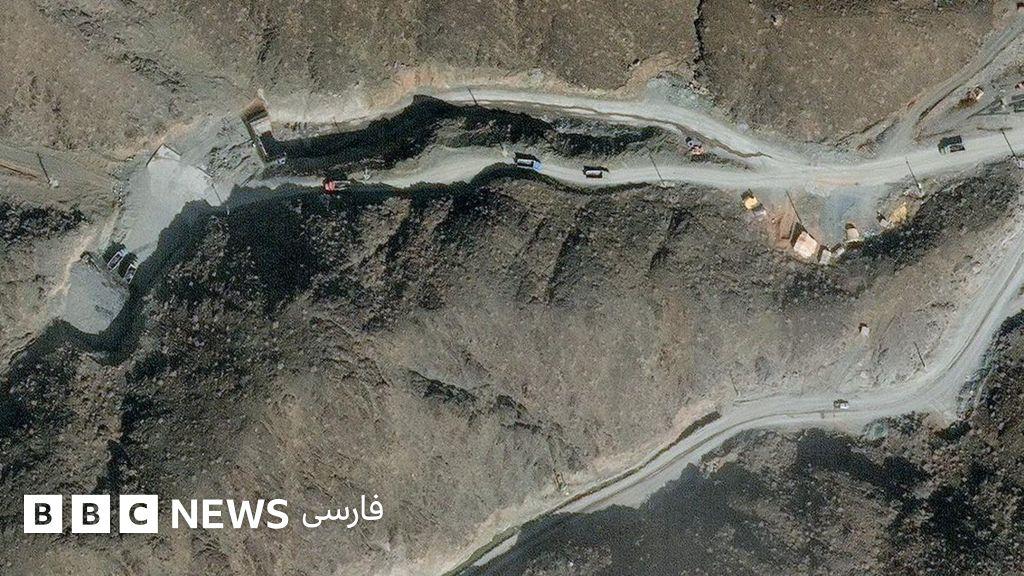
Iran Attempts To Restore Nuclear Sites Damaged In US And Israel Strikes, CNN Satellite Images Show
15 sources compared
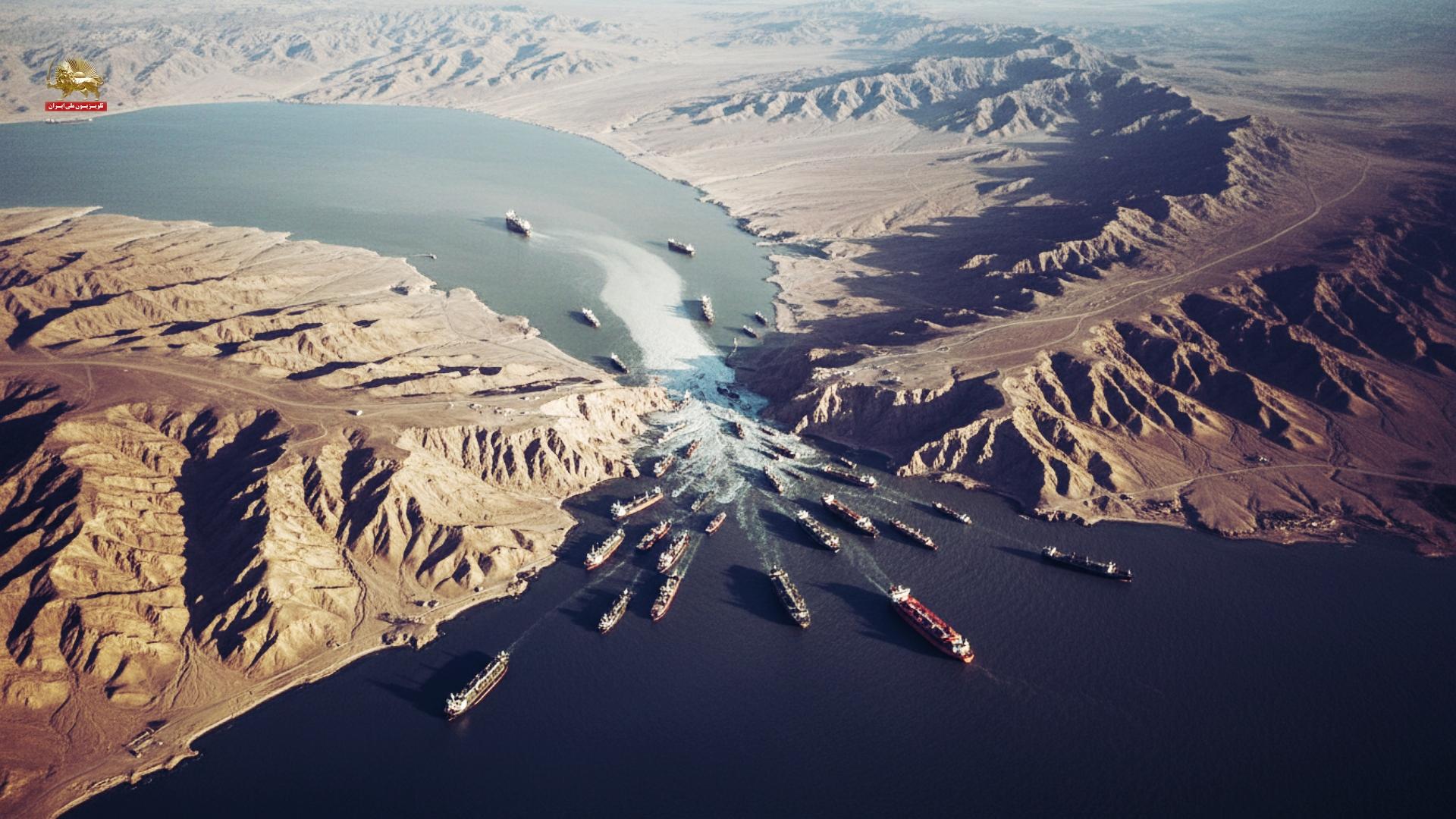
Abbas Araghchi and Prince Faisal Bin Farhan Discuss Regional Developments After US Attacks
11 sources compared

Trump Says U.S. Agreed to Continue Iran Talks, Ceasefire Is Over
19 sources compared