USA12 April, 20262 min read
US Navy Deploys Destroyers to Clear Iranian Mines in Strait of Hormuz
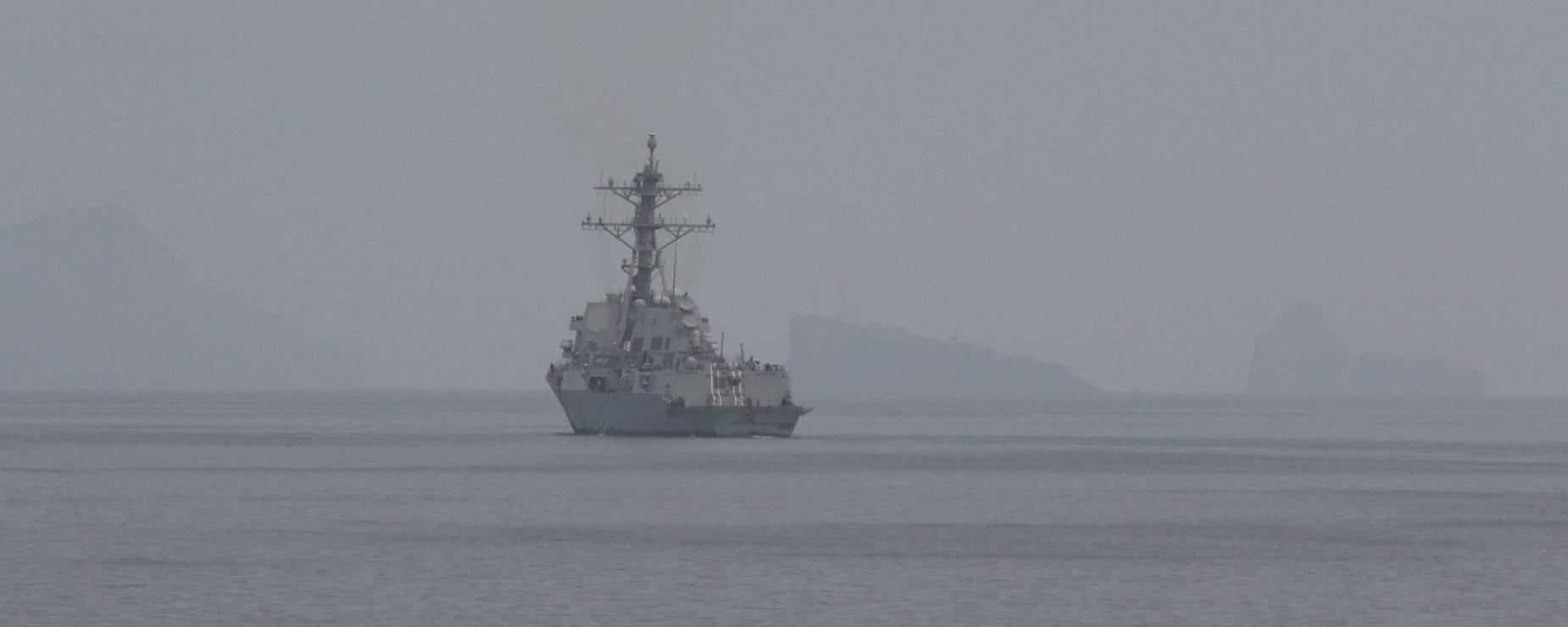
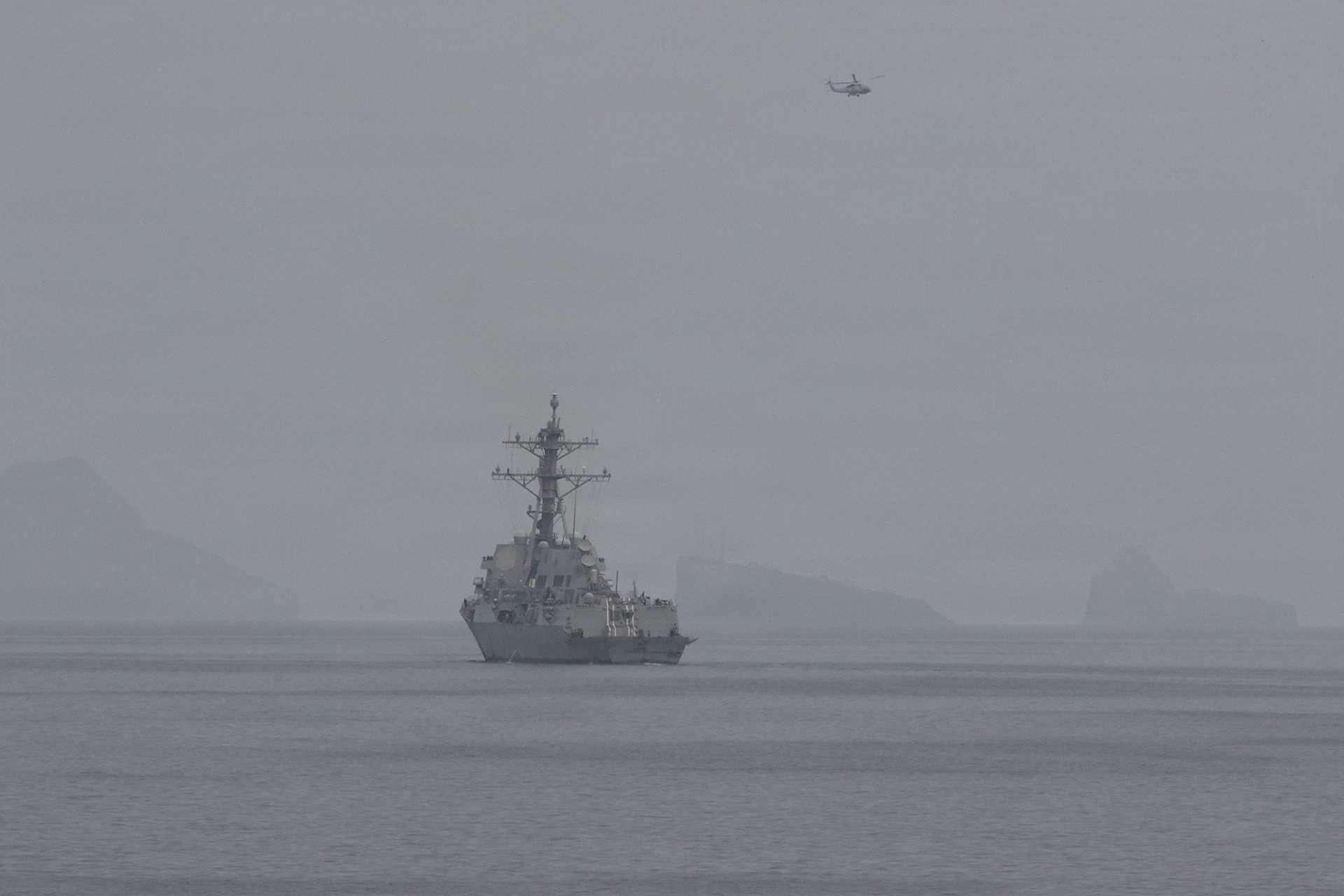
Two Arleigh Burke destroyers transited the Strait of Hormuz and began mine-clearing operations. CENTCOM announced the mission and said additional forces, including underwater drones, would join.

US Begins Mine Clearance
The United States launched a mine-clearing operation in the Strait of Hormuz on April 11. Two Arleigh Burke-class destroyers transited the strait, the first American warships since the Iran war began. CENTCOM commander Admiral Brad Cooper hailed the move as establishing a new passage.
Iran's military swiftly denied the transit, stating the claim was strongly denied. The operation came amid ongoing US-Iran ceasefire talks in Islamabad.
Divergent Accounts
CENTCOM confirmed a successful transit, but Iranian state media claimed the destroyers were intercepted and forced to retreat. Iranian cruise missiles locked onto the US warships and attack drones were deployed. The Iranian Foreign Ministry said it issued a 30-minute ultimatum to strike the vessel unless it turned back.
The Financial Times reported a stalemate in Islamabad over who will control the Strait. The Trump administration declared total reopening a non-negotiable demand.
Technical Challenges
The Strait of Hormuz narrows to approximately 21 nautical miles at its tightest point. Shallow waters, strong tidal currents, and heavy sedimentation degrade sonar performance. Iran's mine warfare doctrine favors irregular, dispersed placement using small boats.
The types of mines deployed include moored contact mines, influence mines, bottom mines, drifting mines, and limpet mines. Clearing the strait requires repeated high-resolution surveys to confirm a route is safe.
Destroyers' Role
Arleigh Burke-class destroyers are not designed as dedicated minehunters. Their AN/SQQ-89 suite is optimized for anti-submarine warfare rather than mine countermeasures. Their primary contributions lie in force protection, command and control, and battlespace integration.
They provide layered air and missile defense using the Aegis Combat System. They serve as command nodes integrating data from multiple platforms.
Next Steps
The next phase will involve deployment of unmanned underwater vehicles. Platforms like the Mk 18 family are designed for high-resolution seabed mapping. The US Navy is investing in robotic systems to keep sailors out of harm's way.
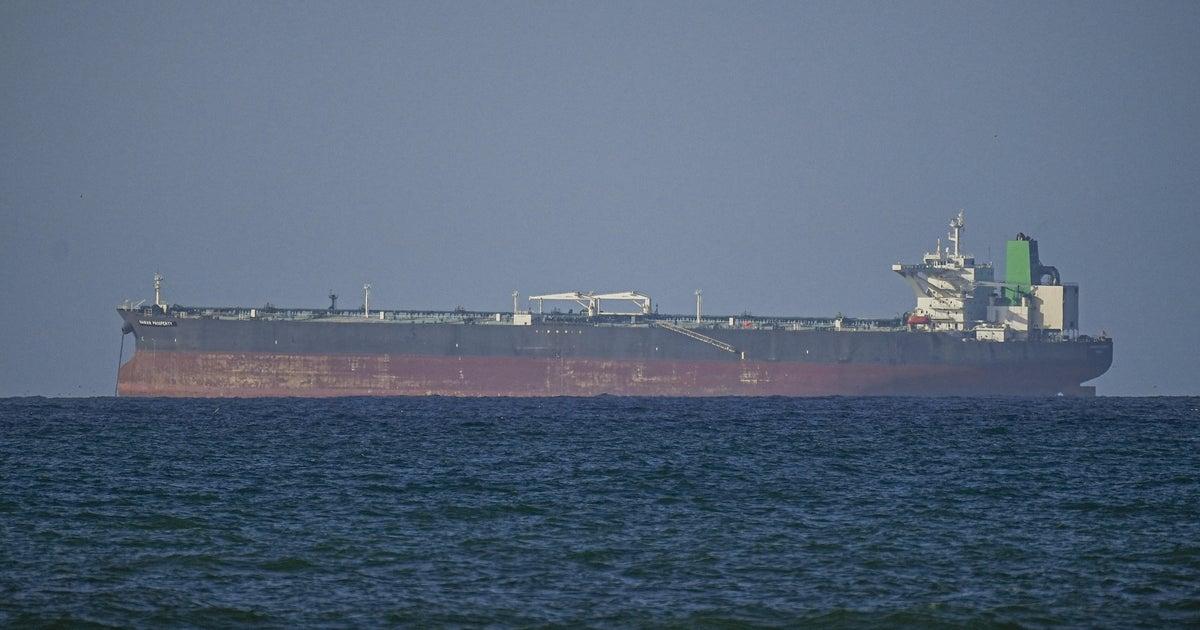
The clearance effort aims to restore safe passage for commercial shipping. The Strait of Hormuz is one of the world's most critical energy routes.