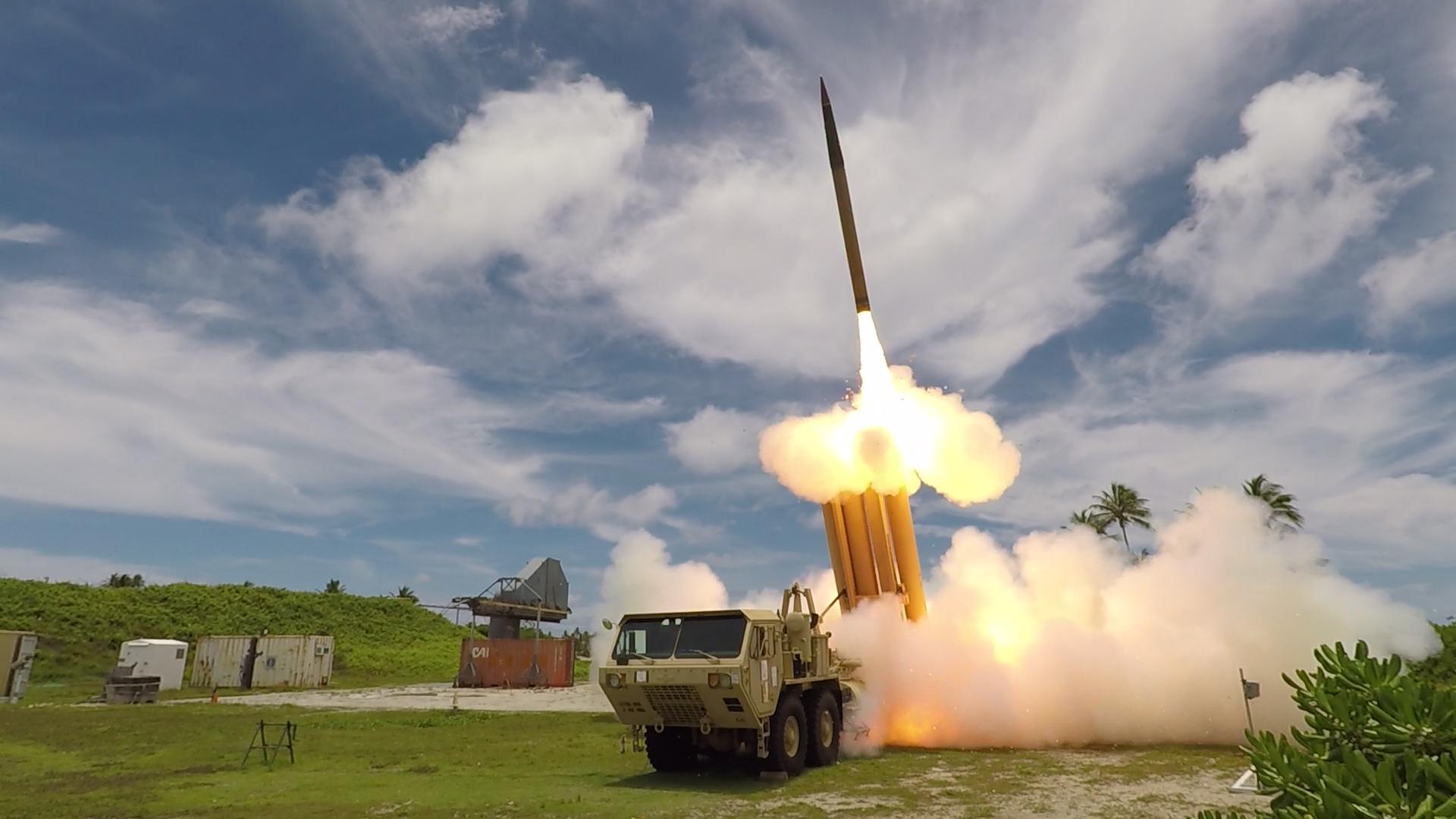
U.S. Plans Redeployments And Ramps Tomahawk Production As West Asia Stockpiles Near Depletion
Key Takeaways
- More than 850 Tomahawks fired in four weeks of Iran war.
- Pentagon warns stockpiles dwindling due to rapid Tomahawk usage.
- Washington Post reports pace draining stockpiles faster than replacement.
Stockpile depletion and production ramp-up
Reports describe the Middle East stockpile as alarmingly low and warn that inventories could reach Winchester levels if the burn rate continues.
“WASHINGTON – The Iran war has burned a sizable hole in the U”
Public officials say there is no shortage, while the White House has summoned defense executives to meetings to push replenishment.
The Pentagon is discussing redeploying missiles from the Indo-Pacific and other regions to sustain operations.
Defense contractors are being pressed to massively ramp up production, with commitments to quadruple output.
Plan-of-action: redeploy & ramp production
Pentagon discussions include diverting missiles from the Indo-Pacific to the Middle East, according to several officials.
The administration has summoned Tomahawk maker Raytheon and other defense executives to White House meetings to press for faster deliveries.
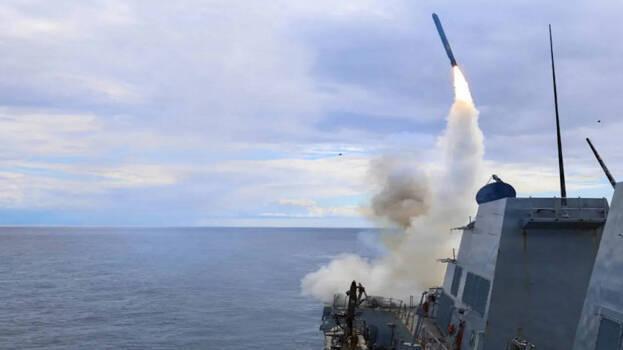
Industry plans center on quadrupling production, with sources describing efforts as accelerating 'exquisite class weaponry' production as rapidly as possible.
Analysts note a baseline inventory of roughly a few thousand Tomahawks at start; replenishment would take years at current capacity.
Implications for broader readiness
Analyst Mark Cancian warned that using about a quarter of the total inventory would 'leave a large gap for a conflict in the Western Pacific'.
“WASHINGTON: As the conflict with Iran enters its first month, there are reports that the Pentagon is concerned about the depletion of the United States’ weapons stockpile”
Palestine Chronicle notes that more than 1,000 air-defense interceptor missiles have been fired in counterattacks, straining high-end stockpiles such as Patriot and THAAD.
At roughly $3.6 million per Tomahawk, the burn rate translates into a multi-billion-dollar drain on defense budgets while replenishment could take years.
Public statements insist there is no shortage, even as external analyses emphasize the risk to broader U.S. readiness.
Regional impact and dispersal
Iran struck Al Udeid Air Base in Qatar, damaging an early-warning radar system, according to ongoing regional reporting.
In Kuwait, strikes on Port Shuaiba destroyed an Army tactical operations center and damaged facilities, illustrating the parallel strain on logistics hubs.

The cumulative effect is described as a regional network of bases that has been ‘all but uninhabitable’ in places, reshaping postures and evacuation strategies.
Analysts warn that sustained high-end conflicts could outpace replenishment, forcing a longer-term shift in U.S. basing and supply lines.
Long-run sustainment and risk
The burn rate is forcing a rethinking of readiness that extends beyond the current Iran campaign and into potential clashes elsewhere, including the Western Pacific.
“ByPalestine Chronicle Staff The United States has fired more than 850 Tomahawk cruise missiles in less than four weeks of war against Iran, according to a detailedreportby the Washington Post, raising concerns inside the Pentagon about the sustainability of current operations”
The push to quadruple output signals a longer-term strategic bet on the ability to sustain high-end munitions through a sustained, multi-theater conflict.
Analysts warn of ripple effects for global security, including Taiwan, where allies rely on U.S. stockpiles and industrial capacity for deterrence and response.
Despite official statements of sufficiency, the assembled reporting across West Asian, Asian, and Western outlets suggests a genuine, unresolved tension between rhetoric and risk.
More on Iran
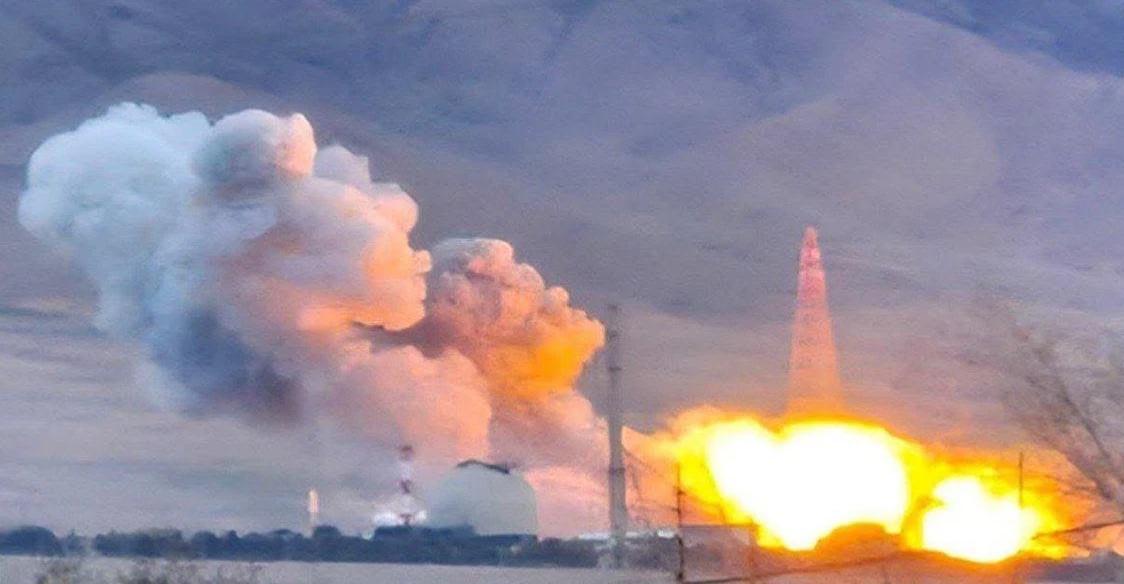
Israel Bombs Iran's Arak Heavy Water Reactor and Ardakan Yellowcake Plant
19 sources compared

Iran Allows 20 Pakistani-Flagged Ships Through Strait Of Hormuz
14 sources compared
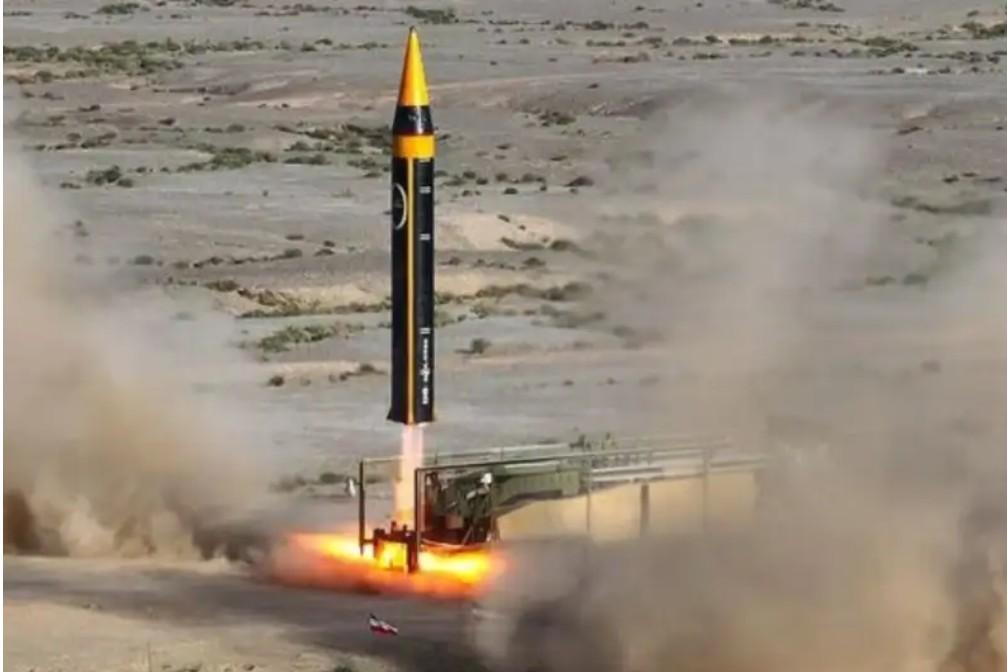
Houthis Formally Enter Iran-Israel War By Firing Missiles And Drones At Israel
16 sources compared

Houthis Launch First Missiles At Israel, Joining Iran War And Threatening Red Sea Routes
75 sources compared