
US pushes 15-point ceasefire plan via West Asia demanding Iran dismantle HEU, end militia aid
Key Takeaways
- Iran rejects direct talks, insisting on indirect diplomacy.
- Mediators facilitate communications between Washington and Tehran.
- Intermediary messages are not negotiations, Iran says.
Mediators circulate 15-point plan
West Asian mediators are circulating a U.S.-backed 15-point ceasefire plan through third parties such as Turkey, Egypt, Pakistan, Oman, and Qatar, with Islamabad urged to host any future talks.
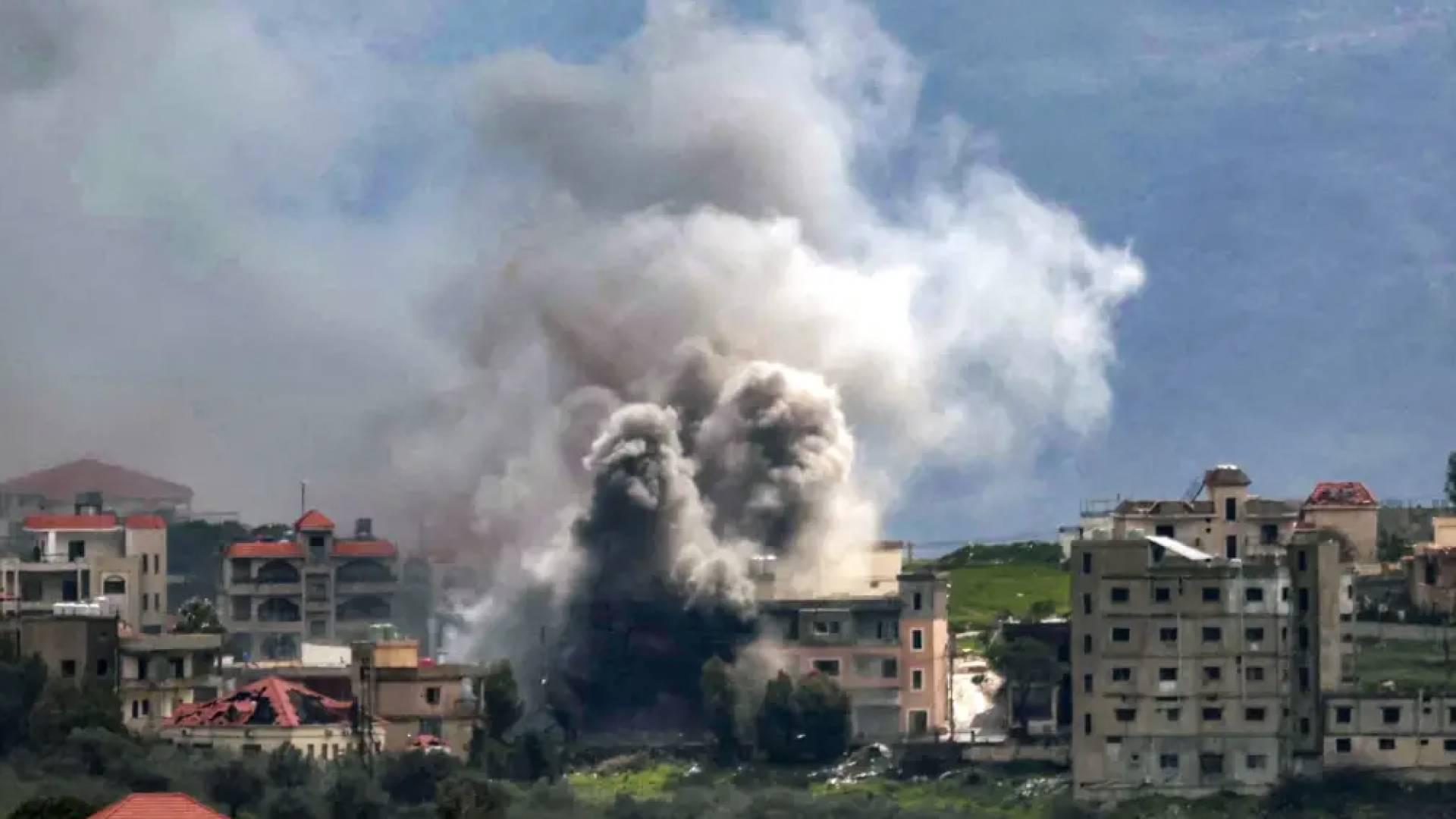
“The United States and Israel’s war on Iran continues, with an Al Jazeera correspondent in Tehran reporting strikes are “increasing in number and in intensity” amid conflicting claims about whether negotiations are taking place”
The White House says talks with Iran are proceeding apace even after Tehran did not immediately accept the plan.

Exchanges of messages between Tehran and Washington have taken place via Egypt and Turkey, described as good-faith efforts to reduce tension.
The mediation push underscores a U.S.-led effort to de-escalate before the crisis expands into broader confrontation.
Plan specifics and aims
The plan reportedly includes demands such as dismantling Iran’s stockpiles of highly enriched uranium, stopping uranium enrichment, curbing ballistic missile programs, and ending support for regional militias.
The plan has been described by outlets as a path to halt the war and ease pressure on energy markets.

Reports indicate the terms are being conveyed by mediators through Pakistan and other third parties.
Iran's response remains cautious, with indirect channels not equating to formal negotiations.
Iran rejects direct talks
Iran’s official position rejects direct talks with the United States and maintains a 'resistance' posture.
“• State of possible talks: The White House said talks with Iran are proceeding apace, even after Tehran did not immediately accept a 15-point plan to end the war”
Foreign Minister Abbas Araghchi described indirect exchanges as not being negotiations and insisted Tehran would not enter direct talks.
Iranian officials have stated their willingness to resist US aggression while expressing openness to broader de-escalation under certain terms in indirect channels.
Western outlets report that Iran claims to be considering the US proposal but will not engage directly.
Pakistan as mediation hub
On the mediation track, Islamabad has emerged as a key hub, with a 'mailman' role to relay messages and propose hosting talks.
U.S. officials have floated holding a meeting in Pakistan to discuss an off-ramp, signaling a real possibility of directly bridging gaps through a venue acceptable to all sides.
In recent reporting, mediators were described as moving quickly, with discussions involving the American envoy Steve Waitkov and Jared Kushner on one side and Iranian Foreign Minister Abbas Araghchi on the other.
The Times of India cautions that indirect message exchanges do not constitute formal negotiations.
More on Iran

Iran Allows 20 Pakistani-Flagged Ships Through Strait Of Hormuz
14 sources compared
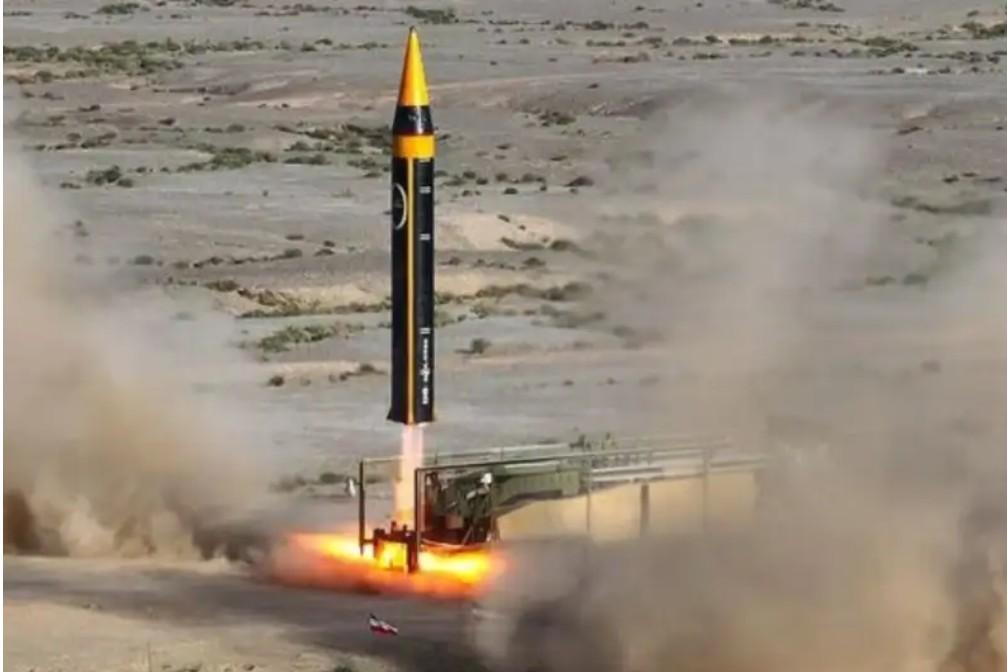
Houthis Formally Enter Iran-Israel War By Firing Missiles And Drones At Israel
16 sources compared
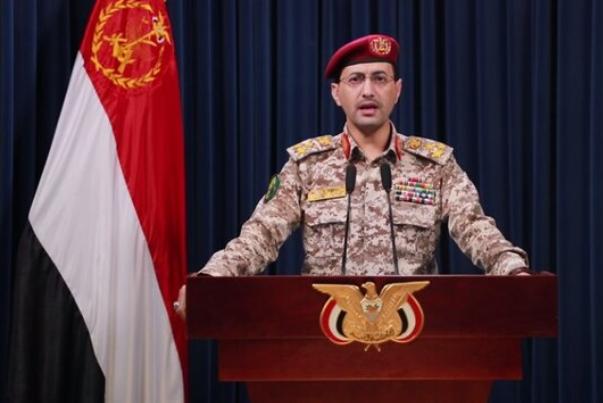
Houthis Launch First Missiles At Israel, Joining Iran War And Threatening Red Sea Routes
75 sources compared

Pentagon Plans Weeks-Long Ground Operations In Iran
21 sources compared