Gaza Genocide04 April, 20261 min read
US Raises Concerns Over Israeli Restrictions at Jerusalem Holy Sites During Holy Week
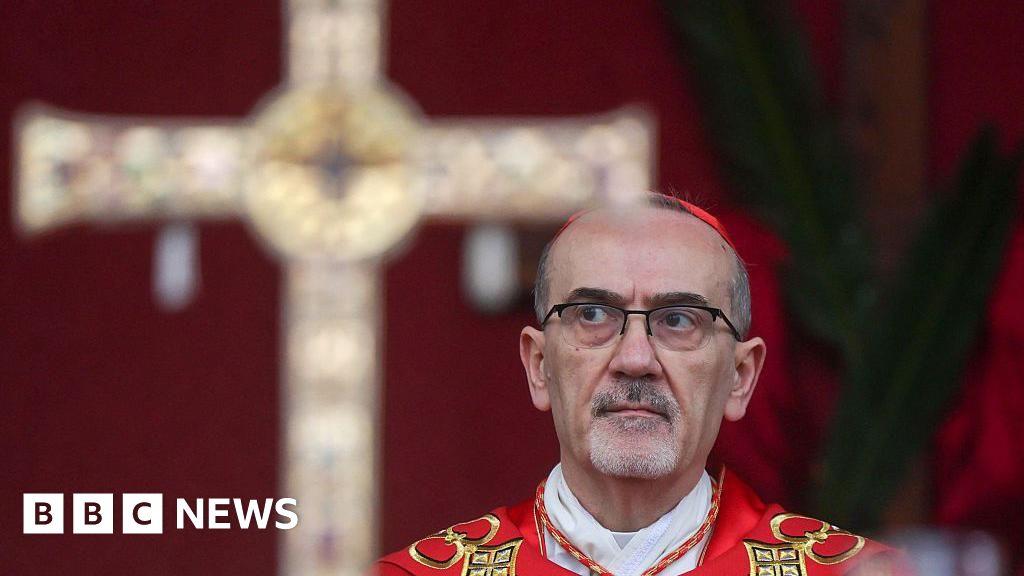
The United States raised concerns with Israel over Jerusalem's holy-site restrictions during Holy Week. Catholic leaders were blocked from Palm Sunday Mass at Holy Sepulchre, later allowed entry.

Holy Site Restrictions
The United States raised concerns with Israel over restrictions on access to holy sites in Jerusalem during the Christian Holy Week. Israeli police had restricted access to key religious sites, including the Church of the Holy Sepulchre. The Al-Aqsa Mosque has remained closed for about a month since the start of the US-Israeli war on Iran.
The White House and State Department have not publicly commented on the closure of Al-Aqsa Mosque. The situation has cast a shadow over Easter celebrations across the region.

Al-Aqsa Closure
Israeli authorities have maintained the full closure of Al-Aqsa Mosque for the 37th consecutive day. This closure goes beyond a temporary security measure and marks a new phase in Israel’s ongoing efforts to impose coercive realities in Jerusalem. While Muslims are barred from accessing Al-Aqsa, Israeli police provide heavy protection to tens of thousands of settlers.
This reflects discriminatory enforcement of restrictions and undermines the site’s historical and legal status quo. Extremist right-wing groups openly declare their political goal of imposing temporal and spatial division at Al-Aqsa.
Discriminatory Enforcement
Countercurrents characterized Israeli restrictions as part of a systematic apparatus of repression. The closure of Jerusalem to Muslim and Christian worshippers demonstrates that these measures are not neutral security policies. Jerusalem witnessed large Israeli gatherings to celebrate Purim.
Police used batons, sound grenades, and tear gas to disperse Palestinian worshippers. The ongoing Israeli closure of Al-Aqsa Mosque goes beyond a temporary security measure.
Holiday Security Measures
Israel implemented extensive security measures for Passover and Easter. Israel Railways limited passenger numbers on trains to Jerusalem. The Yitzhak Navon station is located about 80 meters below ground.
Security preparations included scaling down religious ceremonies. The traditional Priestly Blessing ceremony was canceled.