
U.S. Sends USS Tripoli With 3,500 Sailors And Marines To Region, Escalating Military Posture
Key Takeaways
- USS Tripoli arrives in the Middle East with about 3,500 sailors and Marines.
- Deployment amid ongoing Iran-US war and escalation, including Houthis and ground invasion speculation.
- Reinforcements arrive as Pentagon weighs next steps.
New US deployment signals escalation
The USS Tripoli, an America-class amphibious assault ship, carries about 3,500 sailors and Marines and has arrived in the region, signaling a dramatic expansion of U.S. military posture as ground invasion rumors circulate.
“Washington, DC – A new war in the Middle East and the knock-on effect of rising petrol prices have roiled the United States public, according to a slate of polls, but a month into the US-Israeli war on Iran, lawmakers have shown little appetite to rein in the conflict”
US Central Command stated the Tripoli is the flagship of the Tripoli Amphibious Ready Group/31st MEU and has arrived in the area of responsibility spanning NE Africa, the Middle East, and parts of Asia.

This move comes as the Pentagon deploys more troops to the region and as speculation about a possible ground invasion grows.
Analysts emphasize the lack of a clear endgame from Washington; instead, officials highlight degrading Iran's military capabilities.
Plans, proposals, and the lack of endgame
There is no public, unambiguous plan for an immediate ground assault, but significant signals point to escalation.
The US Senate has once again failed to pass a War Powers resolution to curtail Trump’s ability to prosecute the war, underscoring lack of consensus in Washington.

Wall Street Journal reports that Trump is considering sending as many as 10,000 troops to the region, signaling a possible broader ground invasion or sustained deployment.
The administration has not articulated a unifying endgame for the conflict, instead hailing the degradation of Iran’s military capabilities.
Escalation risks in West Asia
Yemen’s Iran-backed Houthi rebels said they carried out their 'first military operation' in support of Iran, signaling broader regional involvement.
““The America-class amphibious assault ship serves as the flagship for the Tripoli Amphibious Ready Group/31st Marine Expeditionary Unit composed of about 3,500 Sailors and Marines in addition to transport and strike fighter aircraft, as well as amphibious assault and tactical assets,” wrote US Central Command on Saturday”
U.S. Central Command has reported that the USS Tripoli arrived in the region as Washington weighs its next moves, with a broader picture of ongoing strikes across West Asia.
In the Gulf, at least 10 U.S. service members were injured in an Iranian attack on an air base in Saudi Arabia, according to CNN.
Analysts warn that the war’s trajectory resembles an attritional phase that favours Iran, complicating any attempt to quell the fighting without broader diplomacy.
Domestic reaction and casualty framing
Polls show broad disapproval of the war in Iran, underscoring political risk for lawmakers backing or opposing the conflict.
Trump’s approval rating has slumped to 36 percent, the lowest since he took office, reflecting domestic backlash over the war.
Earlier reporting notes that 59 percent of Americans felt U.S. military action in Iran had been excessive, highlighting perceptions of disproportionate action.
The conflict’s expansion has spilled into Lebanon and Iraq, with casualties including a Lebanese journalist killed in an Israeli strike in Lebanon.
More on Iran
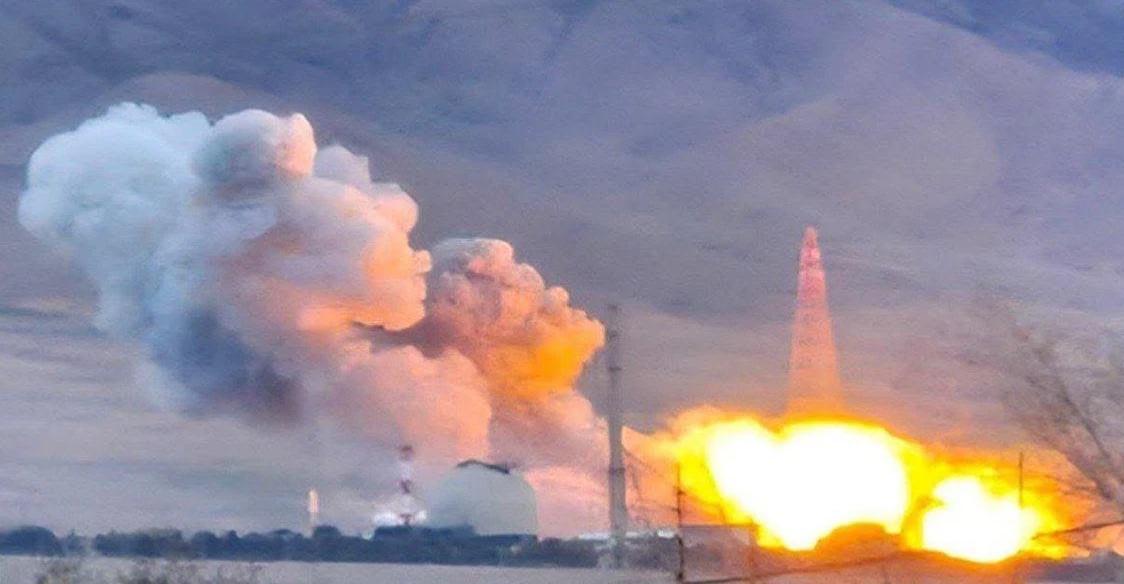
Israel Bombs Iran's Arak Heavy Water Reactor and Ardakan Yellowcake Plant
19 sources compared

Iran Allows 20 Pakistani-Flagged Ships Through Strait Of Hormuz
14 sources compared
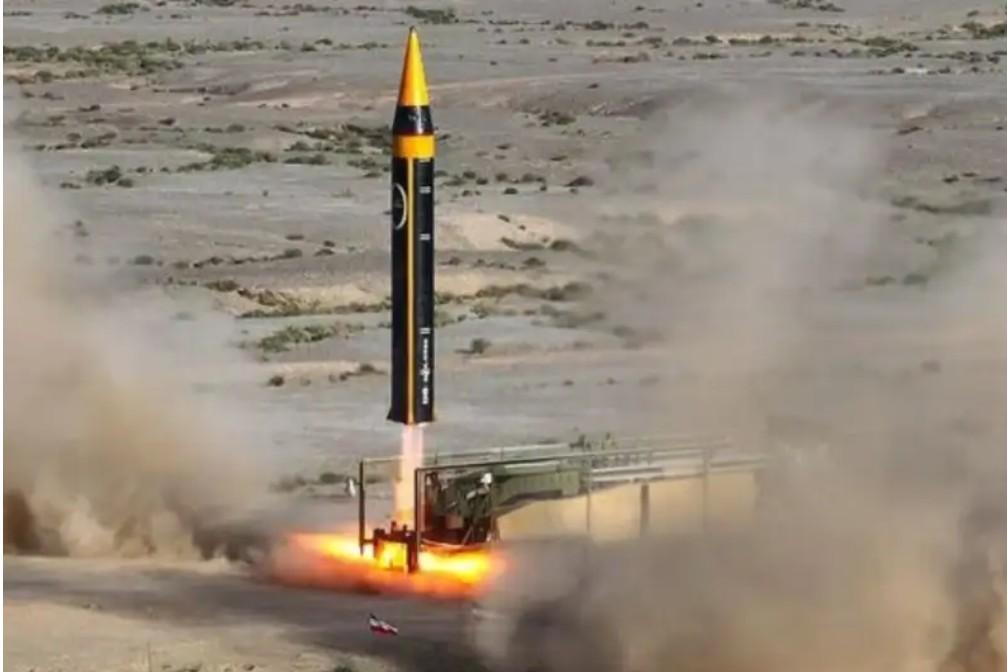
Houthis Formally Enter Iran-Israel War By Firing Missiles And Drones At Israel
16 sources compared
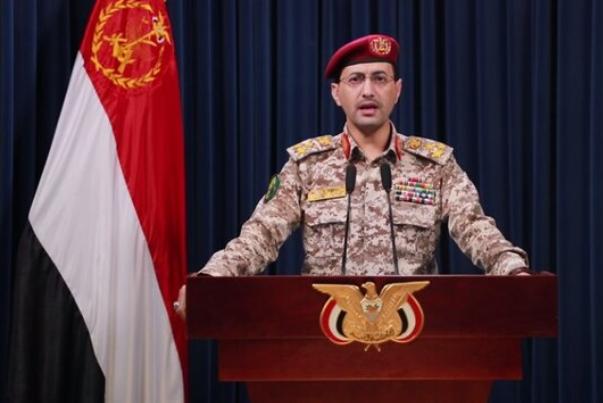
Houthis Launch First Missiles At Israel, Joining Iran War And Threatening Red Sea Routes
75 sources compared