
U.S. Stocks Rally as Middle East Peace Talks Ease Iran Conflict Fears
Key Takeaways
- U.S. stocks rose as Middle East peace talks calmed Iran conflict fears.
- Oil prices remained volatile, fluctuating amid Middle East tensions.
- Major indices gained as peace talks advanced, easing geopolitical risk and boosting risk appetite.
Market Rally
U.S. stocks rallied as progress in Middle East peace talks eased investor fears.
The S&P 500 climbed back above its 100-day and 200-day moving averages.

Amazon's AI revenue announcement boosted consumer discretionary stocks.
The energy sector suffered declines amid fluctuating crude prices.
The CBOE Market Volatility Index dipped to its lowest point since the onset of the war.
The Dow Jones rose 273.73 points, the S&P 500 gained 41.13 points, and the Nasdaq advanced 187.42 points.
Oil and Inflation
Oil prices remained volatile as Brent crude climbed about 1% to just under $97 a barrel.
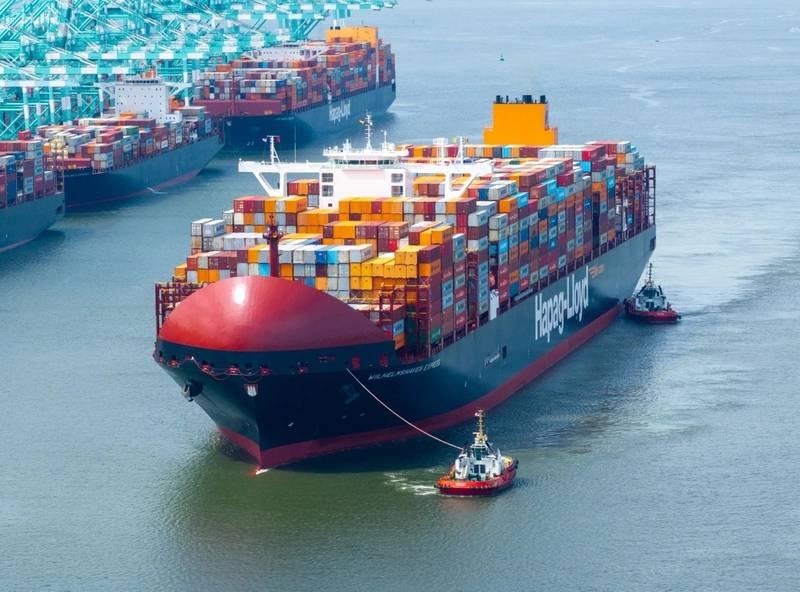
Markets awaited the reopening of the Strait of Hormuz, through which one-fifth of the world's oil is shipped.

Trump threatened Tehran over charging fees for vessels to use the strait.
The economy grew at a slower-than-expected pace in the fourth quarter.
Consumer prices remained elevated.
The Fed is increasingly eyeing potential interest rate hikes.
Regional Divergence
Canada's main index struggled to get out of the red.
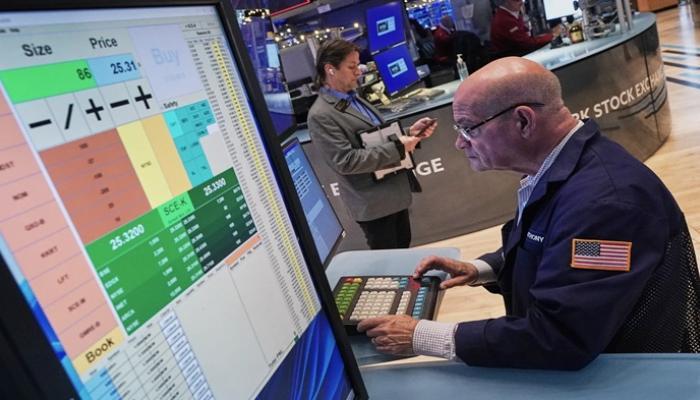
“Modern Investor Summit New York Better Middle East negotiation signals lifted US stocks and cooled volatility, even as oil stayed choppy and the Fed kept a wary eye on inflation”
The TSX technology sector fell 2.1%, with shares of Shopify down 6.5%.
Energy stocks struggled despite oil prices settling 3.7% higher.
In the Gulf region, markets closed mixed as tensions remained elevated.
Saudi Arabia's benchmark index rose 0.8%.
Kpler data indicated that Saudi crude exports redirected to Yanbu reached 4.658 million barrels per day.
Market Sentiment
Investor sentiment remained fragile amid the ongoing conflict.
There is an increasing recognition that this administration is more bark than bite.
The CBOE Market Volatility Index dipped to its lowest point since the onset of the war.
Oil's swings continued to influence inflation expectations.
Current volatility in currency prices is more a function of political issues.
Markets were still reacting as much to oil and inflation expectations as to economic data.
More on Finance

US-Iran Ceasefire Doubts Keep Gold Prices Stable Amid Market Caution
33 sources compared

IMF Downgrades 2026 Global Growth Forecast Due to US-Israel War on Iran
10 sources compared
US-Iran Ceasefire Sends Asian Stocks Soaring; Brent Oil Plunges 7%
17 sources compared

Britain Caps Student Loan Interest at 6% Amid Inflation Fears
10 sources compared