Iran03 March, 20262 min read
U.S. Strikes and Iran Threats Empty Strait of Hormuz, Snarl International Shipping
This article is an automated aggregation of coverage from news outlets. Our editorials offer in-depth analysis curated by the NewsCord team.
Ship traffic through the Strait of Hormuz has sharply declined, leaving the waterway nearly emptied. Iran threatened to attack or fire on vessels attempting to pass the Strait of Hormuz.

Gulf and Levant escalation
A sharp military escalation has unfolded across the Gulf and Levant. The U.S. and Israel have escalated an air campaign against Iran. Iran has in turn carried out missile and drone strikes across the Gulf and threatened commercial shipping.
“The U.S. and Israel have escalated an air campaign against Iran, which has in turn carried out missile and drone strikes across the Gulf and threatened commercial shipping.”
Iran’s Revolutionary Guard has warned the Strait of Hormuz is closed, saying it "would fire on ships attempting to pass," putting at risk roughly one‑fifth of daily global oil flows. Market and shipping sources report the threats have "raised oil and gas prices and worsened shipping conditions." Major carriers and logistics firms have begun to "restrict or halt bookings through the region, with exceptions for essential goods like food and medicine."

U.S. strikes and oil markets
U.S. Central Command has been described as 'striking more than 1,250 targets in Iran and destroying 11 Iranian ships.'
U.S. officials say the operation—aimed at 'thwarting Iran’s nuclear and ballistic-missile programs'—'may last longer than initially expected, with more forces en route.'
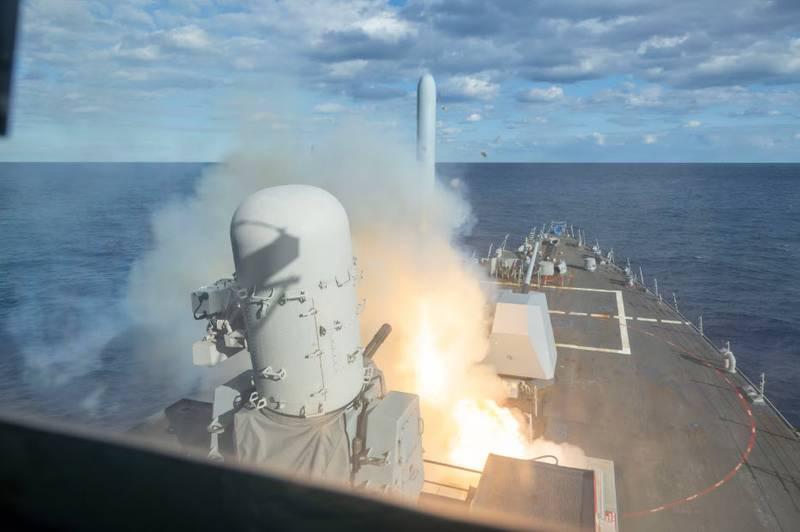
That intensity has contributed to a sharp energy price response: traders saw Brent crude 'rise over 14% since Monday, reaching about $85 per barrel.'
U.S. crude nearing $80 a barrel helped push U.S. gasoline prices higher.
Regional spillover of fighting
The confrontation has caused deadly and chaotic spill-over across the region. Fighting spread to Lebanon after Hezbollah attacked Israel and prompted large Israeli strikes on Beirut suburbs. Scores have died across Iran, Israel and Lebanon.
“Fighting spread to Lebanon after Hezbollah attacked Israel and prompted large Israeli strikes on Beirut suburbs; scores have died across Iran, Israel and Lebanon.”
Lebanon’s state agency reported that Israeli strikes on Beirut suburbs killed at least 31 people. The campaign has also produced a series of other incidents, from reports of a container ship being struck to military mis-identification, that have amplified the crisis atmosphere.
Persian Gulf shipping disruptions
Maritime commerce and energy flows are already snarled: about 40 supertankers are stranded in the Persian Gulf, reflecting the stranding of vessels near the Strait, and carriers' booking halts combine with Iran's threats to create acute operational disruption.
Market observers say current spare production and inventories may blunt immediate shocks, but that a protracted campaign and threats to the Strait would push prices much higher and disrupt major importers, especially in Asia.

Political and economic fallout
Political fallout and international reaction are mixed and fragile, with sources reporting that only about one in four Americans back the operation and that few U.S. allies participated. Countries including Turkey, Russia and China have condemned the strikes.
“Politics and reaction: Only about one in four Americans reportedly back the operation; few U.S. allies participated and countries including Turkey, Russia and China condemned the strikes.”
Analysts warn energy-driven cost pressures could slow growth and complicate the Federal Reserve's job of getting inflation back to its 2% target. Those same price signals and regional exposure mean Asian importers such as China, India, South Korea and Japan stand to suffer most from any prolonged disruption.
