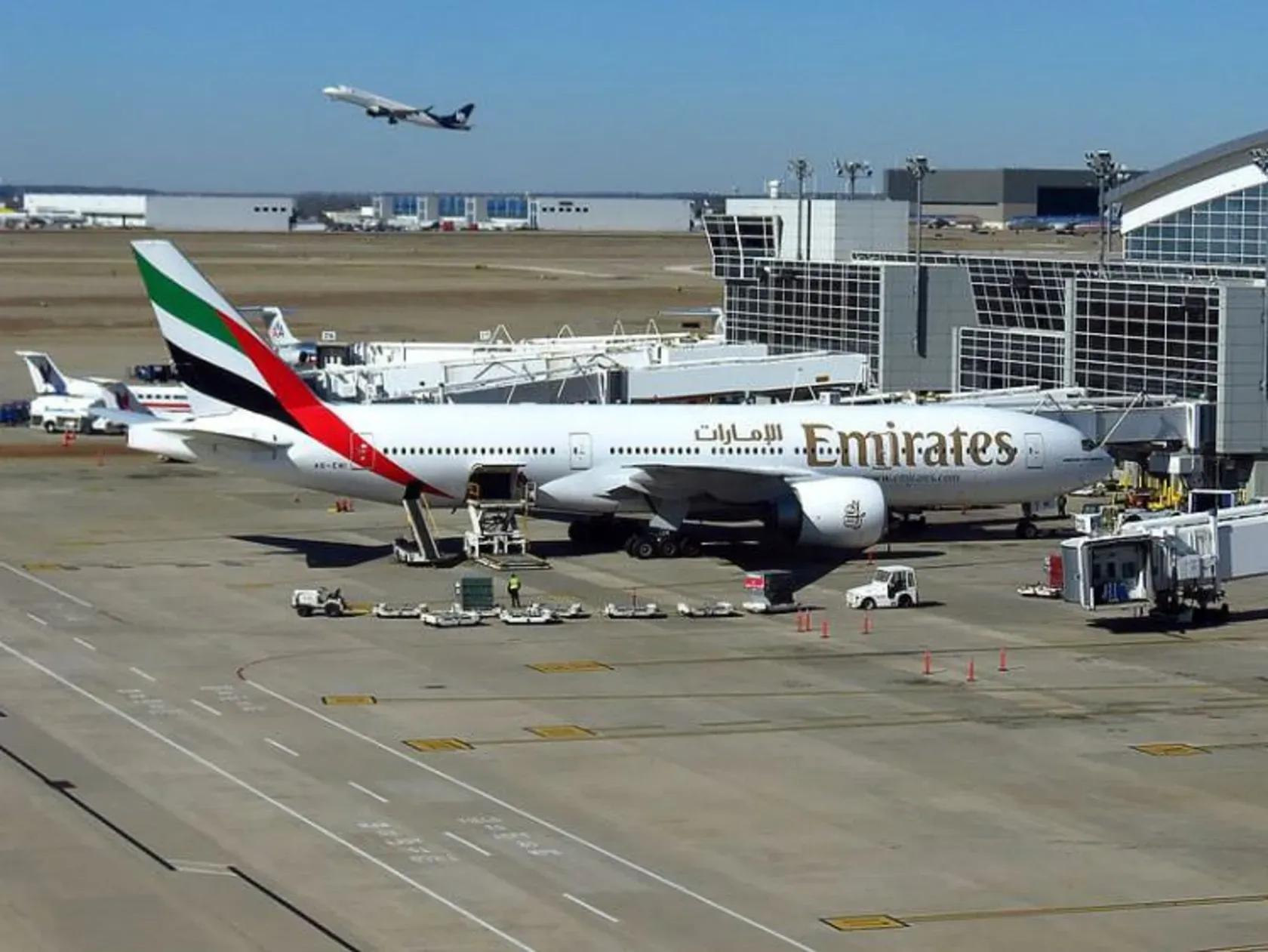
U.S. Strikes Iranian Fast Boats as Iran Attacks UAE Oil Facility
Key Takeaways
- US strikes seven Iranian fast boats in Strait of Hormuz after UAE oil facility attack.
- Iran attacked the UAE's Fujairah oil facility with missiles and drones, triggering a fire.
- Iran denies involvement; IRGC says it has not carried out recent UAE strikes.
Strikes in the Strait
The latest round of fighting in the Iran war centered on the Strait of Hormuz and the United Arab Emirates’ oil infrastructure, with the United States reporting it struck Iranian “fast boats” as Iran attacked a UAE oil facility.
The BBC reported that President Donald Trump said the US had struck seven Iranian “fast boats” in the Strait of Hormuz, while the UAE and South Korea both reported strikes on ships in the vital channel on Monday.

The BBC also said the UAE reported “a fire broke out at the oil port of Fujairah after an Iranian attack,” and it placed Fujairah on the UAE’s eastern coast on the Gulf of Oman, beyond the Strait of Hormuz.
The BBC further reported that shipping firm Maersk said one of its US-flagged vessels, the Alliance Fairfax, “successfully exited the strait with US military protection,” and that the vessel “subsequently exited the Persian Gulf accompanied by US military assets.”
In parallel, the BBC said Iranian Foreign Minister Abbas Araghchi argued that events in the strait “make clear that there's no military solution to a political crisis,” adding, “Project Freedom is Project Deadlock.”
The CBS News account tied the same day’s events to Iran’s first missile and drone attack on the UAE since a ceasefire took effect on April 8, and it said Iran fired “two drones at a ship in the Strait of Hormuz,” according to UAE authorities.
Ceasefire and escalation
The fighting unfolded after a ceasefire that both sides treated as fragile, with multiple reports describing how the Strait of Hormuz remained effectively blocked and how the US and Iran had already exchanged strikes before the newest initiative began.
The BBC said the Strait of Hormuz “has remained largely blocked since the US and Israel launched air strikes on Iran in February,” and it added that Tehran responded by blocking the crucial waterway through which “20% of the world's oil and liquefied natural gas usually passes.”

It also reported that in early April, the US and Iran announced a ceasefire under which Iran ended its drone and missile strikes on Gulf countries including the UAE, but “few vessels have been able to transit the strait since then,” while the US imposed its own blockade on Iranian ports.
The Al Jazeera report described the current escalation as coming “amid fears of a return to war between Iran and the US,” after Washington launched “Project Freedom” to guide vessels through the Strait of Hormuz starting on Monday.
Al Jazeera said that “In retaliation for joint US-Israeli strikes on Iran in late February,” Iranian forces had “effectively taken control of the strait by attacking – or just threatening – vessels attempting to cross without Tehran’s permission.”
CNBC similarly framed the period as a fragile ceasefire that markets had expected to become longer-term peace, but it said “fresh Iranian attacks on the United Arab Emirates over the past 48 hours” dented optimism and raised warnings that “war could be back.”
Voices from Tehran and Washington
The dispute over what is happening in the strait and around UAE targets is reflected in sharply contrasting statements from Iranian officials and US-aligned actors.
The BBC quoted Iranian Foreign Minister Abbas Araghchi saying, “events in the strait "make clear that there's no military solution to a political crisis",” and it added his line, “Project Freedom is Project Deadlock.”
The same BBC report said the US military used helicopters to attack the boats, and it noted that Iranian state media later disputed Trump’s claim, with Tasnim reporting that “two small cargo vessels had been hit instead, killing five civilians.”
In Washington’s framing, the BBC said Trump told reporters, “We've shot down seven small boats or, as they like to call them, 'fast' boats. It's all they have left.”
CBS News added that the Iranian regime said it received a US response to a “latest 14-point peace proposal,” and it reported that Iran’s chief negotiator Mohammad Bagher Ghalibaf warned that his country had “not even started” in its standoff.
Al Jazeera reported that Iran’s Islamic Revolutionary Guards Corps said, “have not carried out any missile or drone operations against the UAE in recent days,” and it carried the IRGC statement: “If any action had been taken, we would have announced it firmly and clearly. Therefore, the report of that country’s Ministry of Defense is absolutely denied and is devoid of any truth.”
Competing accounts of attacks
Different outlets describe the same sequence—UAE air defenses, fires at Fujairah, and incidents involving ships—through distinct details and emphases, underscoring how the conflict’s narrative remains contested.
The Hill reported that the UAE said Iran fired “four cruise missiles,” that “Three were intercepted, and the fourth one landed in the sea,” and it said “The sounds of explosions over the country’s airspace are due to the nation’s air defense systems intercepting threats.”

Anadolu Ajansı reported that the UAE said its defense ministry was engaging “ballistic and cruise missiles as well as unmanned aerial vehicles,” and it added that “sounds heard in various parts of the country were the result of air defense systems intercepting the incoming projectiles.”
Al Jazeera, however, framed the UAE’s claims as disputed by Iran, stating that Iran denied being behind the aggression and quoting the IRGC denial that “have not carried out any missile or drone operations against the UAE in recent days.”
The BBC also recorded a dispute over whether the US struck Iranian boats at all, noting that Iranian state media later disputed Trump’s announcement and that Tasnim said “two small cargo vessels had been hit instead, killing five civilians.”
On the maritime side, CBS News said the US military said “two commercial vessels safely transited the key waterway Monday,” while the BBC said Maersk’s Alliance Fairfax “successfully exited the strait with US military protection” and that the transit was “completed without incident, and all crew members are safe and unharmed.”
What comes next
The sources portray immediate next steps as a mix of continued escort efforts, diplomatic messaging, and warnings about retaliation and de-escalation.
“The United Arab Emirates has come under attack from Iranian missiles and drones for the second day in a row, according to its Defence Ministry, while Iran denied being behind the aggression”
The BBC said the US would start helping stranded vessels out of the shipping lane as part of “Project Freedom,” and it described Maersk’s exit of Alliance Fairfax as occurring after the company was “offered the opportunity for the vessel to exit the Gulf under US military protection.”

It also reported that the UAE’s foreign ministry called the attacks a “dangerous escalation” and said it reserved the right to respond, while international leaders condemned the attacks on UAE infrastructure, including French President Emmanuel Macron calling the strikes “unjustified and unacceptable.”
In parallel, DW reported that Iran’s Khatam al-Anbiya joint military command said the UAE would suffer a “crushing response” if it carried out military action against Iran, while Iran denied carrying out strikes on the UAE.
Saudi Arabia’s foreign ministry called on Iran to “respect the principles of good neighborliness,” and the BBC said Neighbouring Qatar called for the strait’s “unconditional reopening.”
CNBC added a market-facing dimension, quoting BlackRock’s Ben Powell saying it was “very unsettling to have our first missile warnings here in Abu Dhabi for several weeks,” and it quoted Tina Fordham warning that it was leaning toward “the latter.”
More on Iran

Trump Pauses Project Freedom as U.S.-Iran Ceasefire Holds and Blockade Continues
15 sources compared
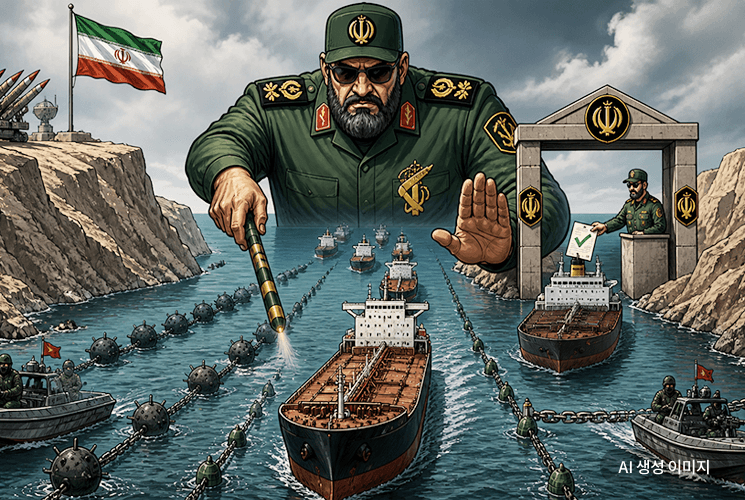
IRGC Threatens Military Action Against Vessels Deviating From Iran-Designated Hormuz Routes
19 sources compared
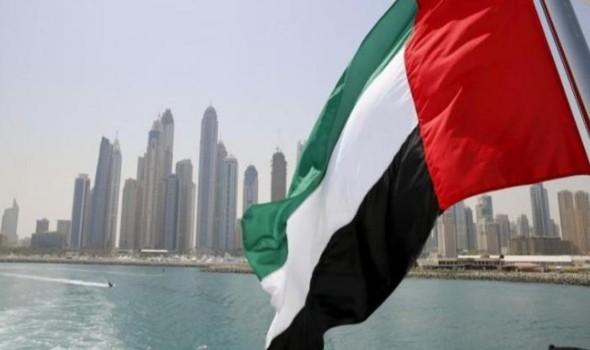
Iran Condemns UAE’s Cooperation With Hostile Parties, Denies Missile And Drone Attacks
18 sources compared

Trump Pauses Project Freedom To Guide Ships Through Strait of Hormuz Amid Iran Talks
47 sources compared