U.S. Strikes Iranian Military Sites After Attacks on USS Truxtun in Strait of Hormuz
Key Takeaways
- U.S. launched self-defense strikes on Iranian military facilities after Iranian attacks on three destroyers.
- Iran attacked U.S. Navy ships with missiles, drones, and small boats in the Strait.
- Ceasefire is fragile amid ongoing U.S.-Iran negotiations, with talks reported in Oman.
Strikes After Hormuz Attacks
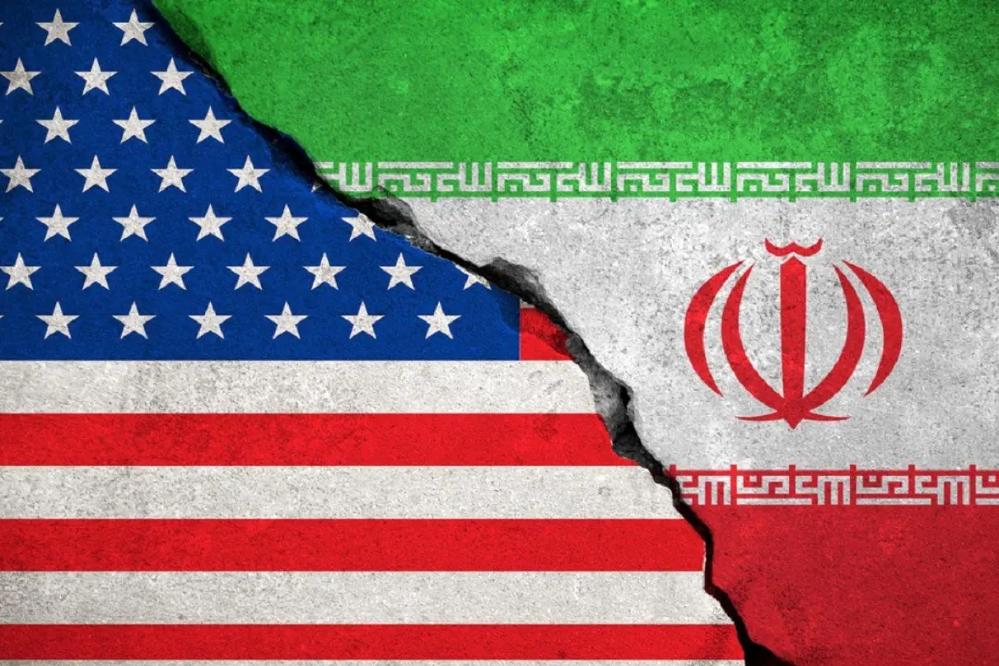
U.S. forces launched a new round of military strikes on Iran on Thursday after attacks on American warships in the Strait of Hormuz, with U.S. Central Command saying it responded with “self-defense strikes” after “unprovoked Iranian attacks.”
“The Iranian military has said it retaliated against United States Navy ships after US forces targeted an oil tanker in Iran’s territorial waters, a major escalation that puts further strain on the fragile truce between Washington and Tehran”
CENTCOM said the exchange began as Iran launched multiple missiles, drones and small boats at USS Truxtun, USS Rafael Peralta and USS Mason while they transited the Strait of Hormuz toward the Gulf of Oman, and it said “No U.S. assets were struck.”

UPI reported the U.S. attacks were on ports near the strait, naming Bandar Abbas and Qeshm, and said the targeted sites included “missile and drone launch sites, command and control locations; and intelligence, surveillance and reconnaissance nodes.”
The Washington Post said the strikes cast “fresh doubt on efforts by Washington and Tehran to reach a negotiated settlement that would end hostilities,” as officials described the action as a response to attacks on U.S. warships.
Trump, CENTCOM, and Iran
President Donald Trump insisted the ceasefire remains in effect even after the strikes, telling ABC News, “No, no, the ceasefire is going. It’s in effect.”
In a Truth Social post, Trump wrote that “Three World Class American Destroyers just transited, very successfully, out of the Strait of Hormuz, under fire,” and said there was “great damage done to the Iranian attackers.”
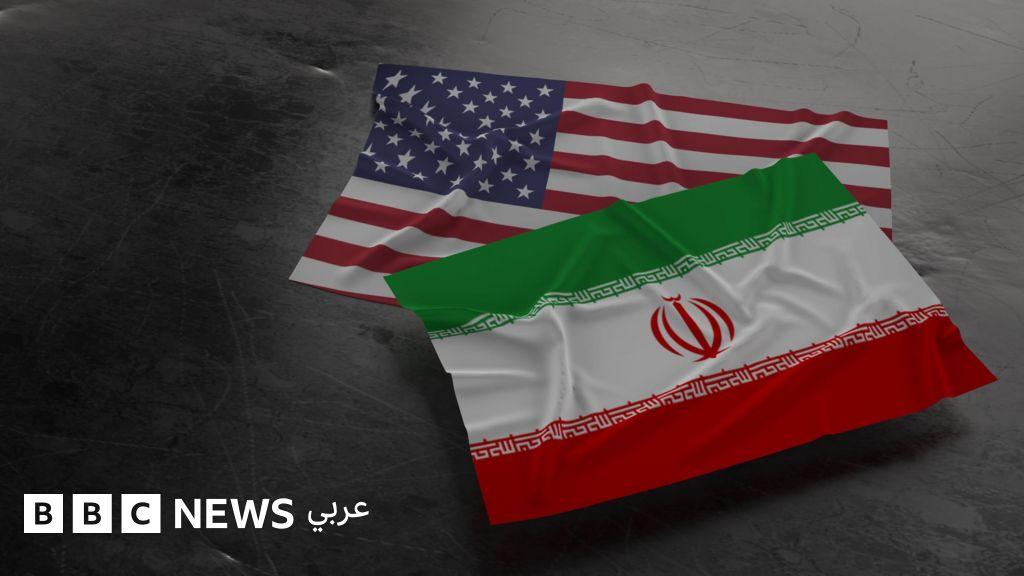
Iran’s Khatam al-Anbiya Central Headquarters said the U.S. “violated the ceasefire” by carrying out air strikes on civilian areas, including Qeshm Island, and claimed the American response was “in cooperation with some regional countries”.
CENTCOM said it “does not seek escalation but remains positioned and ready to protect American forces,” while Al Jazeera reported Iran said it retaliated against U.S. Navy ships after U.S. forces targeted an oil tanker in Iran’s territorial waters.
Fragile Truce and Shipping
The NPR report described the exchange as highlighting the fragility of the month-old ceasefire, saying U.S. Central Command targeted Iranian military facilities responsible for attacking U.S. forces and that it intercepted “unprovoked Iranian attacks.”
NPR said Iranian state media reported fire on Qeshm Island and loud noises and defensive fire in western Tehran, while semiofficial agencies Fars and Tasnim reported explosions near Bandar Abbas.
CBS News said the U.S. targeted two Iranian ports abutting the Strait of Hormuz, Bandar Abbas and Qeshm, and said shipping intelligence firm Lloyd’s List reported the strait is now closed as Iran says an agency it created is in charge of clearing vessels for transit.
The CNBC account said the flare-up further imperils the ceasefire agreement and noted that CENTCOM’s statement does not mention the ceasefire, which began on April 8 as a two-week temporary truce and was unilaterally extended by Trump.
More on USA

Gavin Newsom Calls For National Billionaires’ Tax After Opposing California 5% Wealth Measure
15 sources compared
U.S. Strikes Iran After Drone Attack on Cargo Ship in Strait of Hormuz
32 sources compared
Pete Buttigieg Says Anonymous CPS Hoax Forced Four-Year-Old Twins Into Forensic Interviews
17 sources compared
Texas Republican State Board Approves Bible Passages for Over 5 Million Students
18 sources compared