Iran05 March, 20262 min read
US Submarine Sinks Iranian Frigate IRIS Dena, Killing 87 Sailors
This article is an automated aggregation of coverage from news outlets. Our editorials offer in-depth analysis curated by the NewsCord team.
US submarine torpedoed and sank the Iranian frigate IRIS Dena off Sri Lanka Attack killed 87 Iranian sailors
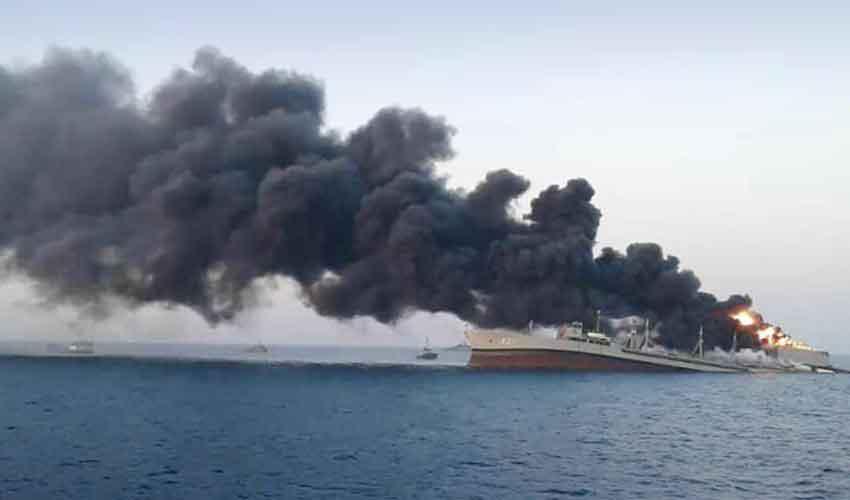
Submarine strike on Dena
A US submarine fired a torpedo that struck and sank the Iranian frigate IRIS Dena off Sri Lanka's southern coast. US officials described the attack as unprecedented, with reporting quoting: 'The United States said a submarine torpedoed and sank an Iranian warship near Sri Lanka's southern coast — the first US submarine strike of this kind since World War II.' US Central Command framed the wider naval campaign as having 'struck or sunk to the bottom of the ocean' more than 20 Iranian ships during the conflict.
“The United States said a submarine torpedoed and sank an Iranian warship near Sri Lanka’s southern coast — the first US submarine strike of this kind since World War II. US Central Command said American forces have ‘struck or sunk to the bottom of the ocean’ more than 20 Iranian ships during the conflict. Sri Lankan officials identified the vessel as the Iranian frigate IRIS Dena; US Defense Secretary Pete Hegseth confirmed the strike.”
Regional reporting said the Dena had been hit 'by a torpedo fired by a US submarine while returning from the Milan naval exercise.' The strike was confirmed by US Defense Secretary Pete Hegseth, according to Sri Lankan reporting.

Ship sinking casualty report
Sri Lankan authorities reported heavy human tolls and an ongoing search-and-rescue after the sinking. Sri Lankan authorities reported 'at least 87 dead, 32 rescued and treated for minor injuries, and roughly 60 sailors missing from an estimated crew of about 180; search-and-rescue operations are ongoing.'
A Pentagon video was released showing 'a large explosion and the ship sinking,' and regional coverage repeated the casualty count, noting 'at least 87 Iranian sailors were killed.' Sri Lanka’s leadership framed its role as humanitarian and neutral while hosting victims of the wider campaign.
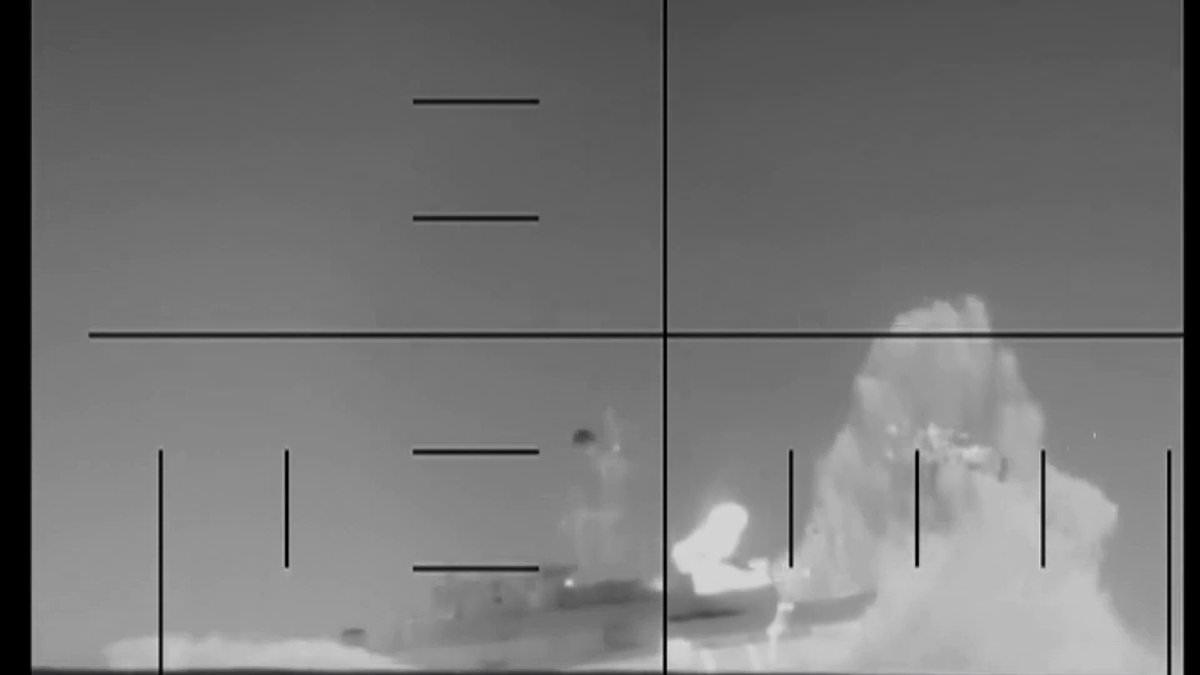
Conflict escalation and casualties
Analysts and reporters framed the sinking as a major geographic escalation, pushing the conflict far beyond the Persian Gulf into the Indian Ocean. "The attack, in international waters hundreds of miles across the Indian Ocean, widens the war’s geographic scope beyond the Persian Gulf." The incident followed a broader campaign that "began five days earlier when the US and Israel launched major operations against Iran; the fighting has killed hundreds and disrupted global energy markets," and UN-linked tallies cited by regional outlets amplified the scale of casualties inside Iran.
“The attack, in international waters hundreds of miles across the Indian Ocean, widens the war’s geographic scope beyond the Persian Gulf. The campaign began five days earlier when the US and Israel launched major operations against Iran; the fighting has killed hundreds and disrupted global energy markets.”
Regional naval and humanitarian response
Regional naval and humanitarian responses were immediate. India mobilised assets for search-and-rescue, launching long-range patrol aircraft, keeping air-droppable life rafts on standby, and deploying ships including INS Tarangini and INS Ikshak to coordinate with Sri Lanka’s effort.
Sri Lanka allowed a second Iranian vessel, IRINS Bushehr, to dock at Trincomalee and evacuated all 208 personnel aboard. Sri Lanka’s president and officials stressed neutrality and humanitarian priorities in their public statements.
Economic and security fallout
The sinking had immediate economic and security ripple effects. Shipping through the Strait of Hormuz remained largely stalled for a fifth day, with about 200 vessels anchored. Markets reacted sharply: Asian markets plunged, including a record crash in Seoul; European markets stabilized after losses; and US stocks closed higher.
“Shipping through the Strait of Hormuz remained largely stalled for a fifth day, with about 200 vessels anchored; US President Donald Trump pledged insurance and naval escorts for energy shipments. Oil prices stayed near year-long highs.”
Political responses included US President Donald Trump pledging insurance and naval escorts for energy shipments. US and Israeli officials asserted continued pressure on Iran, even as officials claimed some Iranian missile activity had decreased.