U.S. Supreme Court Hears Trump Administration Bid To Revoke Haitian And Syrian TPS Protections
Key Takeaways
- Supreme Court hears challenge to Trump move to end TPS for Haitians and Syrians.
- TPS protections would affect hundreds of thousands of Haitians and Syrians.
- Decision could have wide-ranging implications for TPS program nationwide.
Supreme Court to decide TPS
The U.S. Supreme Court will hear arguments Wednesday over whether the Trump administration can revoke Temporary Protected Status (TPS) for Haitian and Syrian immigrants, a case that multiple outlets describe as part of a broader immigration push with potential effects far beyond the two countries.
“Supreme Court reviews Trump cancellation of Haitian, Syrian protected status Hundreds of thousands of immigrants could be forced to return to home countries”
CBC reports the court will consider the legality of a move by Donald Trump's administration to revoke temporary legal protections for “hundreds of thousands of U.S. residents” from “two countries,” and warns that a ruling for the government could have “wide implications for 1.3 million immigrants from 17 designated countries.”

CBS News likewise says the Supreme Court is weighing temporary deportation protections for “more than 6,000 Syrian and 350,000 Haitian immigrants,” while Fox News frames the issue as the legality of President Donald Trump's bid to revoke TPS for “some 350,000 migrants from Haiti and roughly 7,000 migrants from Syria.”
NBC News adds that if the administration wins, it could strip protections from “about 350,000 Haitians and 6,000 Syrians,” and notes the protections remain in place while the case is pending.
PBS, citing Associated Press, says the government is appealing lower court orders that blocked the Department of Homeland Security from quickly ending TPS for people from Haiti and Syria, and that a Supreme Court decision could potentially strip protections from “up to 1.3 million people from 17 countries.”
The question at the center of the litigation, as described across outlets, is whether courts can review the DHS secretary’s decisions to terminate TPS and whether the administration followed the required consultation steps.
In the government’s view, the statute bars review: PBS quotes federal attorneys writing, “'No judicial review' means no judicial review,” while CBS News reports Solicitor General D. John Sauer argued that lower courts substituted “their own views for those of the Executive as to procedures, country conditions, and foreign-policy objectives.”
How the cases reached court
The Supreme Court fight stems from then-Secretary of Homeland Security Kristi Noem’s decisions to end TPS for Syrians and Haitians, with CBS News saying the cases before the court “stem from then-Secretary of Homeland Security Kristi Noem's decisions to end TPS for thousands of Syrians and Haitians.”
CBS News reports that in both cases Noem determined that after consulting with other agencies and reviewing conditions in the two countries, the groups “no longer met the criteria for TPS,” and it adds that Syria’s designation was set to end “last November” and Haiti’s “in February.”

CBS News also says immigrants from the two countries had “roughly 60 days from Noem's announcement” to when their deportation protections would expire, but TPS holders filed lawsuits and judges in “New York and Washington, D.C.” agreed to postpone the effective dates.
Fox News describes the Supreme Court’s procedural posture as “somewhat unusual,” saying the justices granted “certiorari before judgment” and could issue a ruling “as early as this summer.”
NBC News similarly says the Supreme Court is weighing the administration’s effort to remove legal protections from “thousands of Haitian and Syrian immigrants,” and it notes the administration has sought to revoke TPS for other countries too, including “El Salvador, Honduras, Nepal and Afghanistan.”
The legal arguments, as described by multiple outlets, focus on whether the TPS statute allows judicial review of the secretary’s decisions and the steps and analysis leading up to them.
CBS News quotes Sauer’s argument that the consultation requirement “does not invite district courts to sit in judgment of when agencies have communicated enough,” adding that “All the statute requires is that DHS solicit and receive other agencies' views.”
Competing arguments and quotes
The dispute has produced sharply different characterizations of what Noem did and why, with plaintiffs and their lawyers arguing the process was unlawful and discriminatory while the government argues the statute bars review and that the secretary followed required steps.
“How Trump turned ICE into a mass deportation machine The U”
CBC quotes Ahilan Arulanantham, a lawyer for the Syrian TPS recipients, saying, “If the government is correct, then they can terminate TPS without conducting any country conditions review at all — they can do it for reasons that are completely arbitrary.”
CBC also reports that Arulanantham called the fight “a war on this congressional statute,” adding, “This really is about a war on this congressional statute.”
On the government side, CBC quotes White House spokesperson Abigail Jackson saying, “Temporary Protected Status is, by definition, temporary. It was never intended to be a pathway to permanent status or legal residency, no matter how badly left-wing organizations want it to be.”
CBS News reports Solicitor General D. John Sauer argued that lower courts substituted “their own views for those of the Executive as to procedures, country conditions, and foreign-policy objectives,” and it adds that Sauer rejected the lower court’s finding that the decision to end TPS for Haiti rested on racial animus, calling it a “legal and factual nonstarter.”
NPR provides additional context on the procedural dispute, quoting Arulanantham describing TPS vetting as involving “biometrics, background check, running them against all the government's databases,” and saying “Two misdemeanors, you're out.”
PBS adds that lawyers for about “350,000 migrants from Haiti and 6,000 from Syria” argue judges can consider whether authorities followed “all the steps laid out in the law,” and it quotes Sejal Zota saying, “This really is life or death.”
How outlets frame the same fight
While all the outlets describe the same Supreme Court argument over TPS for Haitians and Syrians, they emphasize different aspects of the dispute, from the scale of potential impact to the legal theory about judicial review and the human consequences of losing protections.
CBC foregrounds the legal stakes by warning that a ruling for the administration could affect “1.3 million immigrants from 17 designated countries” and could “also affect migrant flows to Canada,” while it centers the argument on whether the government can terminate TPS “without conducting any country conditions review at all.”

CBS News, by contrast, emphasizes the procedural timeline and the court’s role, stating that the Supreme Court said “last month” it would “roll back the protections for Syrians and Haitians,” but “left the programs for the two countries in place while it considers the case.”
Fox News highlights the Supreme Court’s unusual posture, saying it granted “certiorari before judgment,” and it frames the broader question as “how much authority district courts have to block immigration decisions made by the executive branch.”
NPR focuses on the lived experience and the mechanics of TPS, quoting Ahilan Arulanantham on vetting and renewal, and it also quotes President Trump’s “shithole countries” remarks and the administration’s position that TPS is “temporary.”
PBS, citing Associated Press, foregrounds the immediate risk of losing jobs and housing, saying some people “have lost jobs and housing in a matter of weeks,” and it includes the quote “'No judicial review' means no judicial review” from federal attorneys.
The Guardian adds a policy framing, stating that if the court sides with the Trump administration, “analysts say the administration would likely seek to end the TPS program for all countries,” and it ties the case to the Supreme Court’s prior emergency docket action for “more than 300,000 Venezuelans.”
What happens next and who is affected
The consequences described by the outlets are immediate and potentially sweeping, depending on how the Supreme Court rules on judicial review and the legality of the termination process.
“The Supreme Court on Wednesday will weigh the legality of President Donald Trump's bid to revoke temporary legal status for hundreds of thousands of migrants living and working temporarily in the U”
CBC warns that a ruling for the administration could have “wide implications for 1.3 million immigrants from 17 designated countries” who have received TPS, and it says it could “also affect migrant flows to Canada.”
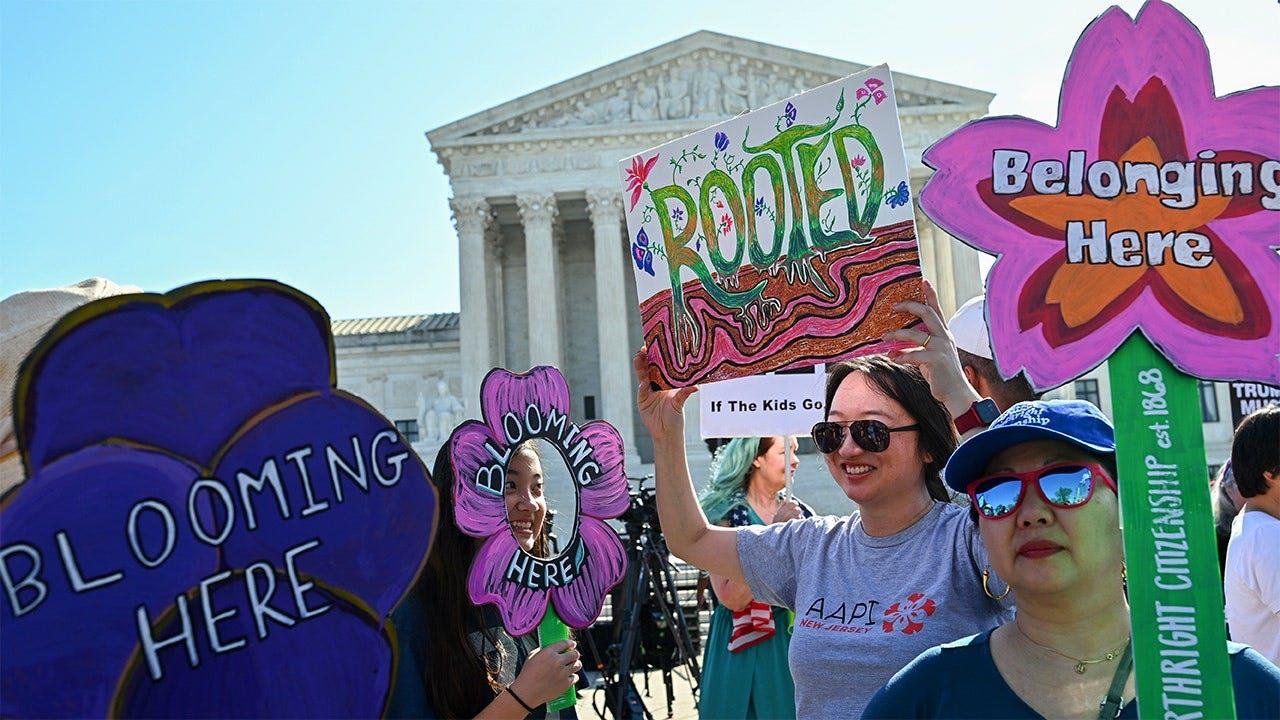
PBS says that if the justices agree with the Trump administration, authorities could potentially strip protections from “up to 1.3 million people from 17 countries,” exposing them to possible deportation, and it adds that people would face “possible deportation” through the normal legal process if protections end.
NBC News similarly states that without protected status, affected people are subject to deportation though they can seek other avenues to remain, such as asylum, and it quotes the State Department’s warnings that “Haiti has been under a State of Emergency since March 2024” and that “no part of Syria is safe from violence.”
The Guardian ties the stakes to the possibility of ending TPS more broadly, saying that if the court sides with the Trump administration, “analysts say the administration would likely seek to end the TPS program for all countries,” and it notes the Supreme Court’s prior emergency docket action for “more than 300,000 Venezuelans.”
Al Jazeera emphasizes the scale by saying the decision “could throw into jeopardy the future of about 1.3 million people from 17 countries,” and it describes the risk of people becoming “undocumented during the Trump administration’s mass deportation drive.”
NBC News reports that “Earlier this month, the House broke with Trump by voting to reinstate TPS for Haitians,” while “the Senate has yet to act and the White House has vowed a veto any legislation.”
More on USA

King Charles III Jokes With Trump at White House State Dinner, Says You’d Be Speaking French
16 sources compared

Trump Welcomes King Charles for White House State Dinner After Congress Address
14 sources compared
Supreme Court Strikes Down Louisiana 2024 Congressional Map, Limiting Voting Rights Act Section 2
29 sources compared

Trump Administration Sets First Trump-Class Battleship Cost Above $17 Billion, Axios Reports
20 sources compared