U.S. Supreme Court Lets Trump Administration Turn Back Asylum Seekers at Mexico Border
Key Takeaways
- Supreme Court ruled 6-3 to uphold turning back asylum seekers at the border.
- Policy enables metering, blocking asylum claims before crossing into U.S.
- Ruling underscores Trump administration authority on asylum processing amid overburdened border.
Metering Upheld at Border
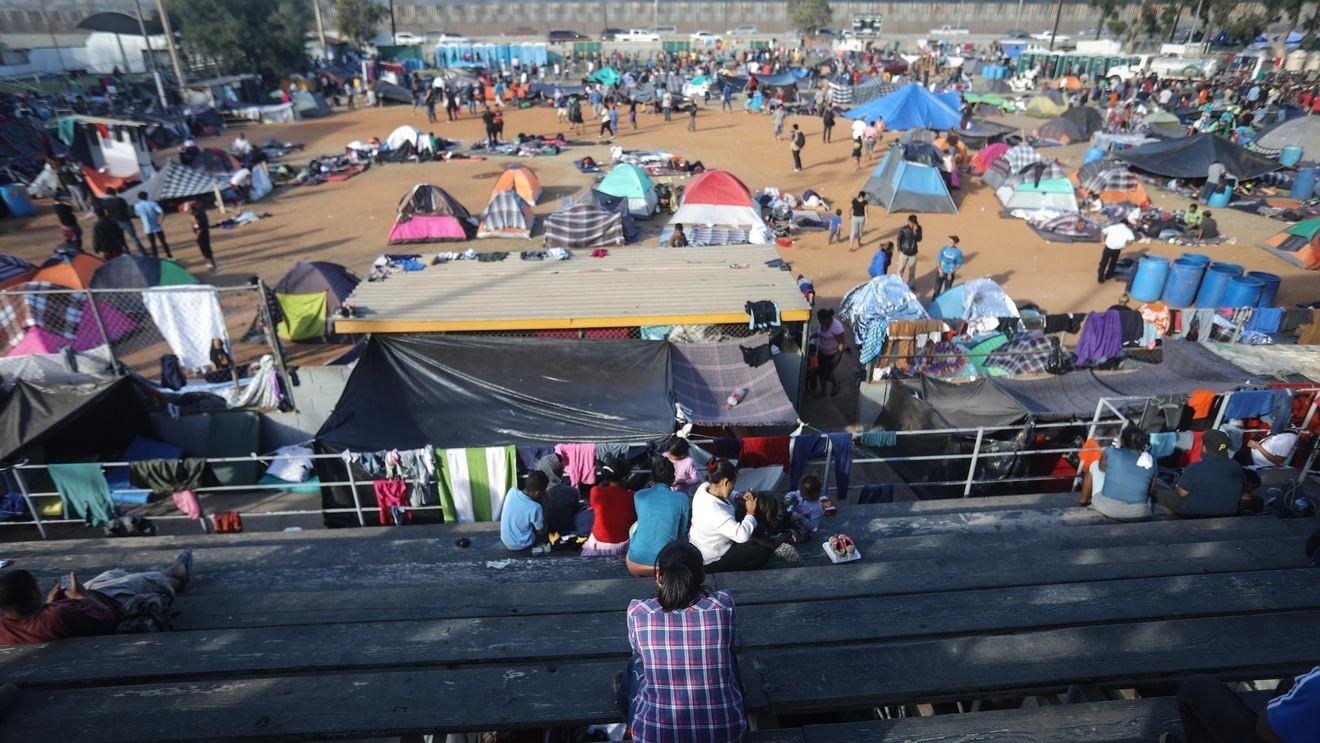
On June 25, the U.S. Supreme Court ruled in a 6-3 decision that the federal government may systematically turn back asylum seekers along the U.S. border with Mexico, clearing the way for the Trump administration to revive its “metering” policy.
Writing for the majority, Justice Samuel Alito said the federal law does not require the government to consider an asylum claim from a migrant who has reached a port of entry but has been barred from setting foot on U.S. soil, and he argued that everyday usage of “arrive” confirms that someone arrives only when they enter within a destination’s area.

Alito’s opinion included the example, "A running back does not arrive in the end zone when he reaches the 1-yard line," as he concluded that an alien standing in Mexico does not “arriv[e] in the United States.”
The ruling overturned a lower court decision that had blocked the practice, which limits the number of migrants allowed to seek asylum at U.S. ports of entry each day, and it was framed as a question of whether migrants stopped before crossing have a statutory right to apply for asylum.
Justice Sonia Sotomayor dissented, saying the consequences were immediate and lethal, warning, "More people will die."
Dissent Warns of Deaths
Sotomayor argued that the majority’s interpretation allows border officials to ignore legal obligations and turn away refugees even if doing so would result in the persecution they sought to escape.
In her dissent, Sotomayor said the ruling authorizes U.S. immigration officers to refuse to consider asylum applications by "physically blocking (applicants) from stepping foot onto U.S. soil."

The decision also drew direct responses from immigration-rights advocates, with Erika Pinheiro of Al Otro Lado warning that the ruling violates international law and threatens to justify other countries that unlawfully prevent refugees from crossing borders in search of safety.
Pinheiro said, "This decision has destroyed the United States’ position as a global leader in promoting the rights of refugees" and framed the ruling as a dangerous justification for other governments’ border crackdowns.
Supporters of the decision pointed to the government’s need for flexibility, and James Percival, general counsel at the U.S. Department of Homeland Security, welcomed the ruling saying it “opens up an important tool to continue securing our southern border.”
What Comes Next
The Supreme Court’s asylum turnback ruling arrived alongside another immigration decision on Thursday that cleared the way for the Trump administration to strip Temporary Protected Status from hundreds of thousands of Haitians and Syrians living in the United States.
“The United States Supreme Court has ruled that government officials can turn away asylum seekers at the southern border with Mexico if they have not yet set foot on US soil”
In that separate 6-3 ruling, the court overturned decisions by federal judges in New York and Washington, D.C., that had halted the administration’s actions terminating TPS for more than 350,000 people from Haiti and 6,100 from Syria.
The Christian Science Monitor described the two rulings as victories that affirmed the administration’s broad power to restrict immigration both at the border and in the interior, noting that metering and TPS revocation were decided along ideological lines.
The stakes for people affected by TPS were underscored by the NAACP’s Derrick Johnson, who condemned the decision as "a devastating betrayal of Haitian families who have lived, worked, and contributed to this country for years" and tied it to anti-Black immigration sentiment.
As the court’s border ruling takes effect in the legal framework, the metering policy’s history—used during the Obama administration and expanded during Trump’s first term before Biden rescinded it in 2021—remains central to how the administration may implement the turnbacks going forward.
More on USA

Gavin Newsom Calls For National Billionaires’ Tax After Opposing California 5% Wealth Measure
15 sources compared
U.S. Strikes Iran After Drone Attack on Cargo Ship in Strait of Hormuz
32 sources compared
Pete Buttigieg Says Anonymous CPS Hoax Forced Four-Year-Old Twins Into Forensic Interviews
17 sources compared
Texas Republican State Board Approves Bible Passages for Over 5 Million Students
18 sources compared