U.S. Targets Iran's Space and Cyber Infrastructure Early in Operation Epic Fury
Operation Epic Fury summary
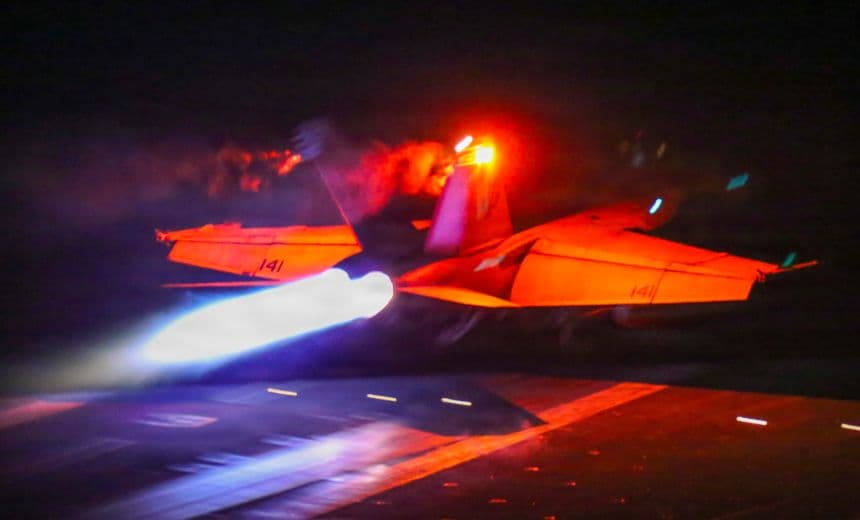
Operation Epic Fury began as a large, coordinated air campaign.
“The War Department began its strike campaign, known as Operation Epic Fury, on Feb”
A military announced Operation Epic Fury began early Saturday (9:45 a.m. Tehran time), launching more than 100 aircraft — fighters, bombers and support planes — after a 'trigger event' said to have been carried out by Israel with backing from the U.S. intelligence community.
CENTCOM described the campaign as "the U.S.-led 'Epic Fury' campaign, conducted jointly with Israel," and reported battlefield effects including having "destroyed or sunk more than 30 ships and in recent hours struck an Iranian drone carrier roughly the size of a World War II aircraft carrier that is now on fire."
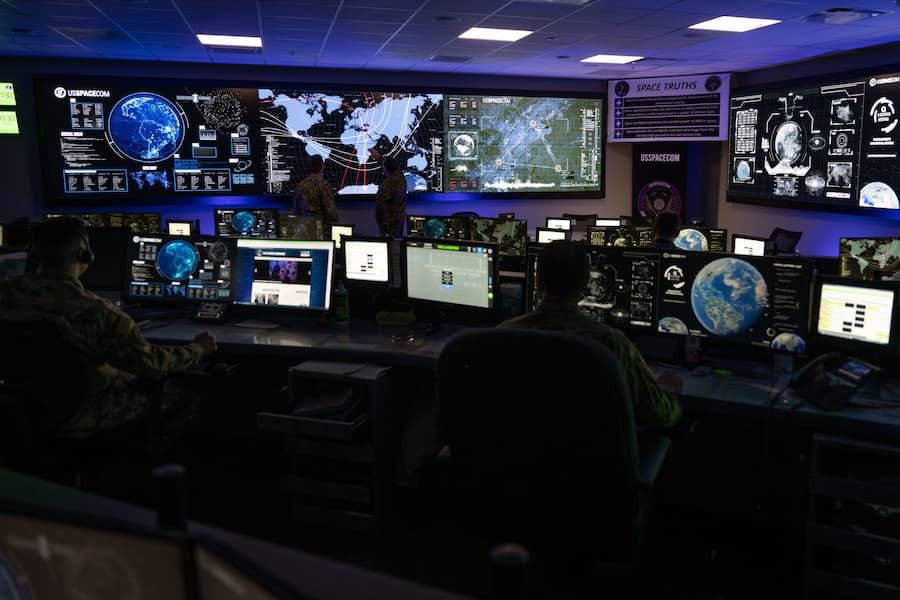
Multiple outlets also note that U.S. space and electromagnetic capabilities "played a key role in recent covert and kinetic operations... and the campaign codenamed Operation Epic Fury."
U.S. strikes on Iran systems
U.S. forces focused early strikes and electronic efforts on Iran’s space, navigation and electromagnetic infrastructure.
Officials acknowledged that they have not revealed exact systems, and experts say the effort relied on a global sensor network (ground telescopes and radars), intelligence assets, and electronic-warfare forces deployed at home and abroad.
Defence Industry Europe reported that Space Forces Central helped integrate space effects into planning, hardened U.S. navigation and communications against interference, and tried to degrade Iran’s satellite and navigation links to deny or confuse Iranian command-and-control.
Defence Industry Europe also named units and tools involved, noting that Space Force electromagnetic-warfare units—such as Mission Delta 3, which fields tools including the Remote Modular Terminal deployable jammer—supported earlier strikes (Operation Midnight Hammer) and likely aided the recent operations.
Campaign assets and impact
The campaign combined space, airborne and intelligence assets to protect U.S. forces while degrading Iranian capabilities.
“Cyberwarfare / Nation-State Attacks , Fraud Management & Cybercrime US Says Cyber Operations Underpinned Assault on Iran Separately, Iran Tied to IP Camera Hacks for Targeting and Battle Damage AssessmentAs the U”
U.S. Space Command also leaned on missile-warning and defense sensors, fused with National Reconnaissance Office intelligence, to cue interceptors and protect forces and networks from retaliation.
CENTCOM reported that the campaign has produced a marked drop in attacks, saying ballistic missile attacks have fallen about 90% and drone attacks about 83% since the campaign began.
Historic patterns of the strikes include large air sorties: a military announced Operation Epic Fury began, launching more than 100 aircraft — fighters, bombers and support planes.
Epic Fury campaign focus
CENTCOM framed the next phase of Epic Fury around dismantling underlying weapons infrastructure.
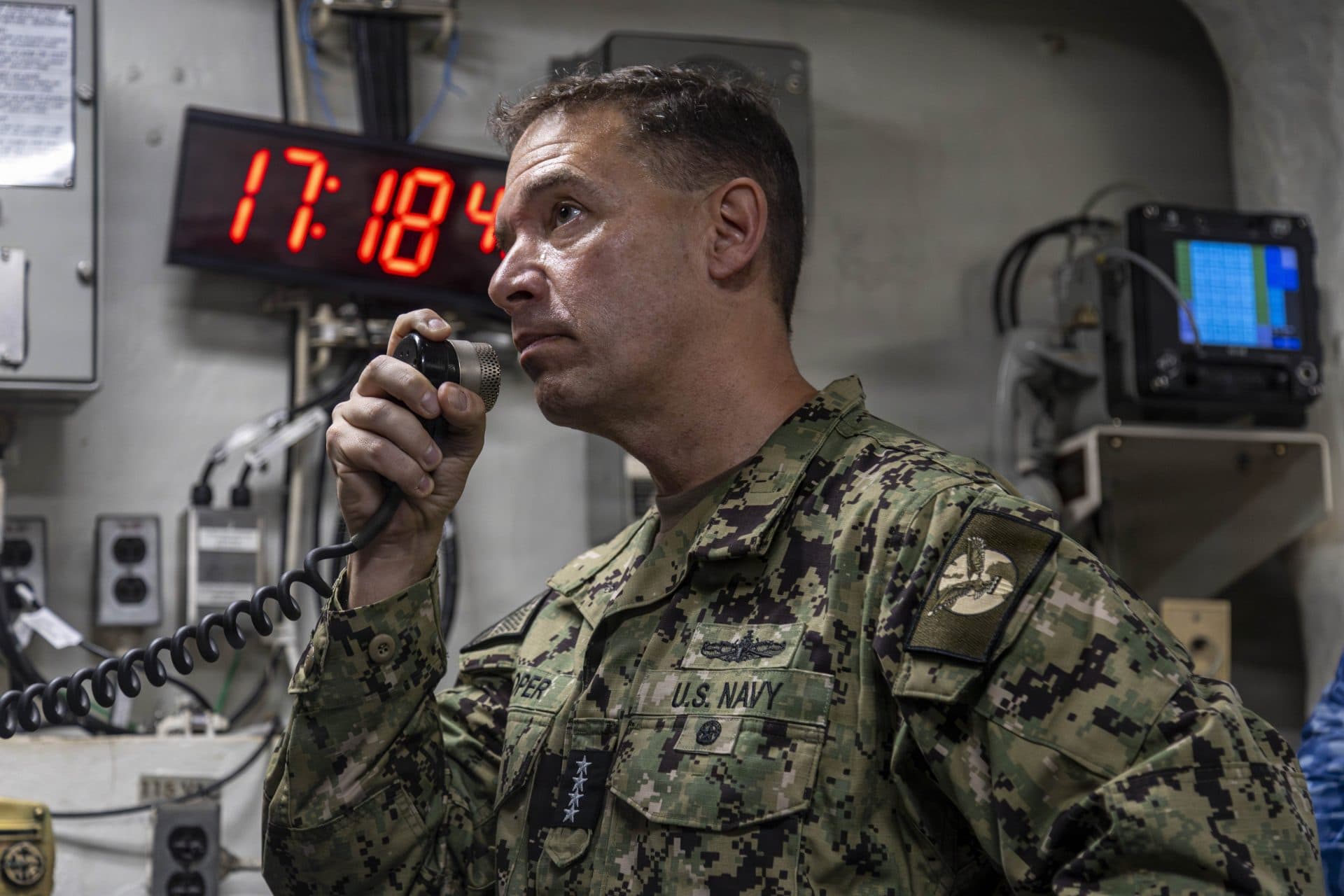
Acting on an order from President Donald Trump, Cooper said the operation is shifting to systematically dismantle Iran’s ballistic missile industrial base to prevent rebuilding, a process he said will take time but for which forces are well supplied.
At the same time, officials and presenters declined to answer questions about specific targets for CENTCOM’s new LUCAS drones, which are being used in the conflict for the first time.
Other reporting stressed that 'Officials have not revealed exact systems,' underscoring limited public detail on precisely which space, cyber or missile-production nodes are being struck.
Space and electronic warfare
Observers note both the reported effectiveness of U.S. space and EW measures and uncertainty about Iranian countermeasures.
Defence Industry Europe summarized analyst views that 'Iran's counterspace tools are still nascent—basic jamming or spoofing is plausible, while more advanced capabilities would likely come from external suppliers,' and it recorded operational signs consistent with electromagnetic interference, noting that ships in the Strait of Hormuz have reported GPS and AIS disruptions consistent with such interference.
CENTCOM's public account of strike effects (ships destroyed or on fire, sharp declines in missile and drone attacks) is clear, but the precise technical targets and the full role of space and cyber systems remain incompletely detailed in official statements.
Key Takeaways
- U.S. space and cyber forces led early strikes on Iran's space and cyber infrastructure.
- U.S. cyber operations underpinned and supported kinetic strikes against Iranian targets.
- Military operations combined cyber, space, and kinetic effects during the campaign's opening days.
More on Iran

President Trump Attends Dignified Transfer For Six U.S. Service Members Killed In Iranian Drone Strike
31 sources compared
Iran Apologizes to Neighbors, Halts Strikes Unless They Attack, President Pezeshkian Says
47 sources compared

US Forces Likely Struck Iranian Girls' School, Killing Dozens, US Military Investigators Say
31 sources compared

President Donald Trump Demands Iran's Unconditional Surrender, Rejects Any Deal to End U.S. War
60 sources compared