US Treasury Freezes $344 Million In Iran-Linked Crypto Wallets, Scott Bessent Says
Key Takeaways
- OFAC sanctions Iran-linked crypto wallets, freezing $344 million in cryptocurrency.
- Tether froze $344M USDT on Tron at U.S. authorities' request across two wallets.
- The sanctions aim to choke Iran's finances, part of the 'Economic Fury' campaign.
$344M Freeze Under OFAC
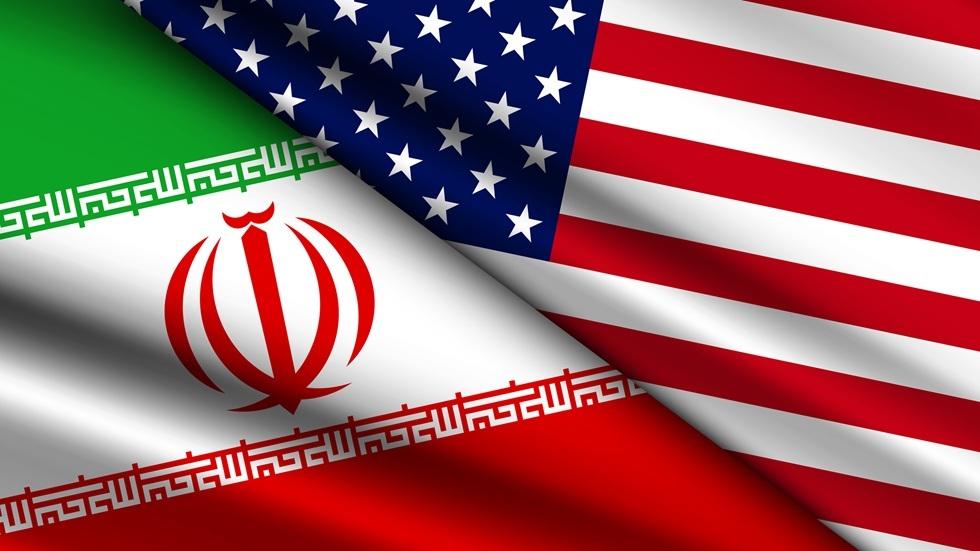
The United States froze $344 million in cryptocurrency tied to Iran as part of new sanctions targeting digital asset wallets, Treasury Secretary Scott Bessent said on Friday, April 24, 2026.
In a statement on X, Bessent said the Office of Foreign Assets Control (OFAC) “is sanctioning multiple wallets tied to Iran — resulting in the freeze of $344 million in cryptocurrency.”
Reuters similarly reported that “The U.S. Treasury Department is sanctioning multiple wallets tied to Iran, thereby freezing $344 million in cryptocurrency,” citing Bessent’s statement on X.
Multiple outlets tied the action to a broader campaign described as “Economic Fury,” with Kurdistan24 quoting Bessent’s line: “Under Economic Fury, @USTreasury will continue to systematically degrade Tehran’s ability to generate, move, and repatriate funds.”
Cointelegraph added that the sanctions followed a Friday notice on OFAC’s list of Specially Designated Nationals, where the government sanctioned “two crypto addresses on Tron with a combined $344 million.”
The freeze was also linked to stablecoin issuer Tether, which Cointelegraph said had “frozen more than $344 million of its USDt (USDT) at the request of US authorities for ‘activity tied to unlawful conduct.’”
Tether, OFAC, and Tron
The freeze was carried out through coordination between U.S. authorities and Tether, according to multiple reports describing how the stablecoin issuer blocked access after receiving information from U.S. agencies.
Cointelegraph said the Treasury sanctions announcement came “just one day after stablecoin issuer Tether said it had frozen more than $344 million of its USDt (USDT) at the request of US authorities.”

International Business Times reported that the freeze was carried out “with assistance from Tether,” which “confirmed it blocked access to the funds after receiving information from U.S. authorities regarding transactions flagged for unlawful activity.”
CoinDesk described the sequence as a Thursday action by Tether, stating that “the post follows action taken Thursday by stablecoin issuer Tether blacklisting two blockchain addresses on Tron holding $344 million in USDT altogether.”
Blockspace Media, citing CNN, added detail on the split across the two Tron addresses, saying “One of the Tron addresses held roughly $213 million in USDT while the other held about $131 million.”
Tether’s CEO Paolo Ardoino was quoted in International Business Times saying, “USD₮ is not a safe haven for illicit activity,” and Blockspace Media repeated the same CEO quote: “When credible links to sanctioned entities or criminal networks are identified, we act immediately and decisively.”
Links to IRGC and Hezbollah
U.S. officials and reporting outlets described the targeted wallets as connected to Iranian state-linked and militant entities, and they tied the sanctions to evidence of transactions and routing patterns.
Cointelegraph said Treasury officials claimed that the wallets were tied to “the Islamic Revolutionary Guard Corps and the Islamist political group Hizballah,” and it described the sanctions as following reports that Iran was planning to charge ships in Bitcoin for passage through the Strait of Hormuz.
Anadolu Ajansı likewise said the Treasury Department’s OFAC was sanctioning wallets tied to Iran, quoting Bessent’s X statement that “We will follow the money that Tehran is desperately attempting to move outside of the country and target all financial lifelines tied to the regime.”
CNN via Blockspace Media reported that a U.S. official said the government had evidence of “confirmed transactions with Iranian exchanges and a series of transactions routed through intermediary addresses that interact with Central Bank of Iran-associated wallets.”
Blockspace Media also said Chainalysis told CNN the two wallets were “regularly active years ago” and engaged in “frequent, large transfers of up to tens of millions of dollars,” adding that those patterns were “consistent with how we’ve observed other known IRGC wallets move funds on chain.”
International Business Times added that a U.S. official told CNN investigators identified links between the frozen assets and Iranian financial networks, including transactions involving “domestic exchanges and intermediary wallets connected to accounts associated with the Central Bank of Iran.”
Energy Tensions and Diplomatic Moves
Several outlets connected the crypto freeze to a wider U.S. pressure campaign amid energy and regional tensions, including actions affecting the Strait of Hormuz and upcoming diplomacy.
Cointelegraph said the sanctions announcement followed reports that Iran was planning to charge ships in Bitcoin for passage through the Strait of Hormuz, describing it as “a critical chokepoint for transporting oil and other supplies.”

It added that “Iran reportedly attacked three ships using the waterway, while US naval forces have set up a blockade,” and it noted that U.S. President Donald Trump said the U.S. was under a ceasefire agreement with Iran as of this week.
WION similarly said the freeze came as Washington intensified pressure on Tehran “amid energy supply disruptions tied to conflict in the Middle East,” and it stated that “US envoys Steve Witkoff and Jared Kushner are set to travel to Pakistan on Saturday for a new round of talks with Iran aimed at ending the conflict.”
WION also said the administration imposed economic sanctions on “a major China-based oil refinery” and “around 40 shipping companies and tankers accused of transporting Iranian oil,” and it described the U.S. enforcing “a physical blockade on the Strait of Hormuz.”
Anadolu Ajansı reported that State Department spokesman Tommy Pigott said the measures were part of a broader effort to curb what Washington describes as Iran’s illicit oil trade, quoting Pigott: “This action cuts revenue streams that fund the regime's destabilizing activities across the Middle East.”
Broader Enforcement and What Comes Next
Beyond the $344 million freeze, outlets described a continuing enforcement posture that reaches exchanges, intermediaries, and other sanctions targets, and they framed the immediate objective as cutting off “all financial lifelines” for the regime.
CoinDesk said Bessent described the U.S. as seeking to choke off “all financial lifelines” for the regime, and it said the Treasury Department confirmed the freeze was part of its latest effort to disrupt financial networks tied to Iran.

CoinDesk also said the U.S. Treasury Department stated that “Iran's central bank has been trying to mask cross-border activity through the use of digital assets,” and it described authorities as working with blockchain analytics firms and “financial institutions, including crypto exchanges.”
Anadolu Ajansı reported that Pigott said the measures were part of a broader effort to curb Iran’s illicit oil trade and quoted him saying, “The Administration's maximum pressure campaign will hold Tehran accountable for its regional aggression and threats to American interests.”
Blockspace Media, citing CNN, added that Chainalysis told CNN the two wallets were “regularly active years ago,” and it reported that Chainalysis said those patterns were consistent with other IRGC wallets moving funds “on chain.”
Crypto Briefing said the freeze “highlights Washington’s growing focus on stablecoins as a tool in sanctions enforcement,” and it said Tether acted “in coordination with OFAC and US law enforcement” to prevent further movement of the funds.
More on Crypto

France Charges 88 Suspects in 12 Crypto Wrench Attacks, Prosecutors Say
13 sources compared

Attackers Exploit Litecoin MWEB Zero-Day, Trigger 13-Block Reorganization and DoS on Mining Pools
12 sources compared

Giancarlo Lelli Breaks 15-Bit Elliptic-Curve Key With Quantum Computer, Wins Project Eleven 1 Bitcoin
12 sources compared

Metaplanet Issues $50 Million Zero-Interest Bonds to Buy More Bitcoin
12 sources compared