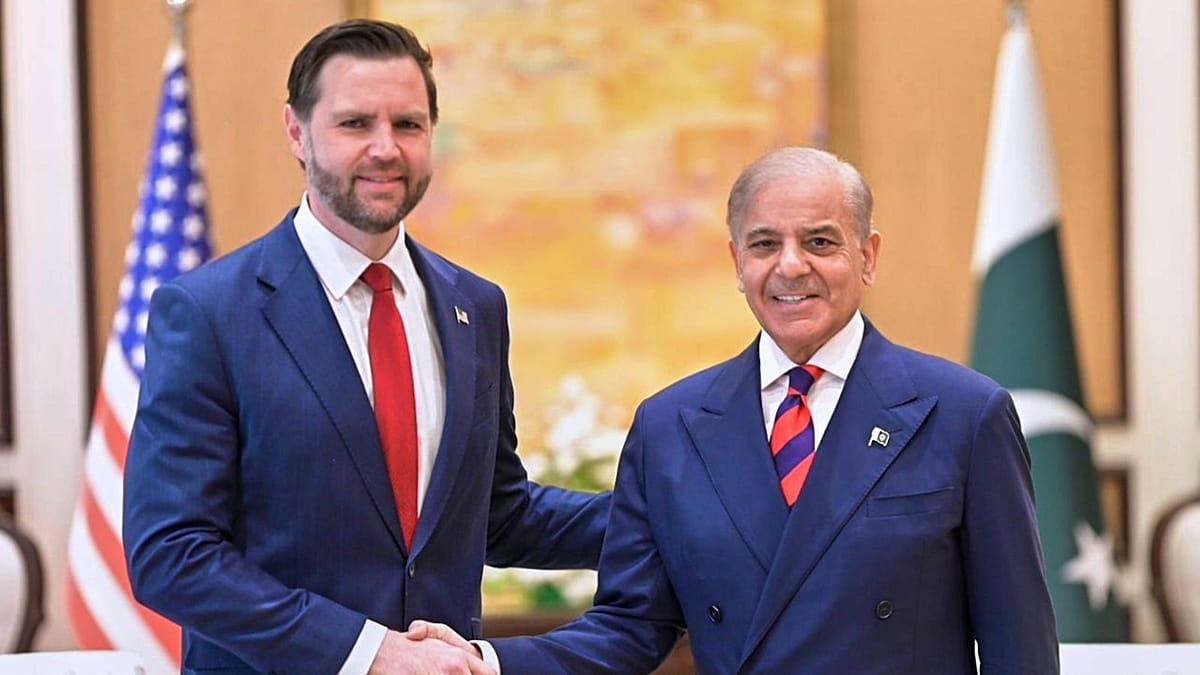
US Vice President JD Vance Leads Historic Peace Talks With Iran In Islamabad
Key Takeaways
- Vice President JD Vance leads U.S. delegation in Islamabad for direct peace talks with Iran.
- Talks aim to end the war and establish a ceasefire between US and Iran.
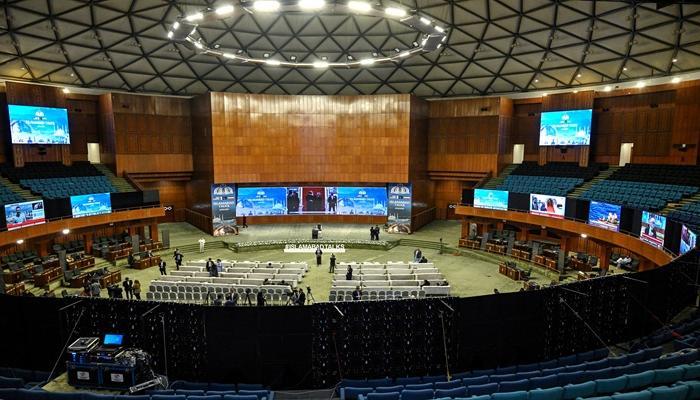
- Pakistan hosts with heavy security; media coverage organized.
Historic Talks in Islamabad
The United States and Iran began direct peace talks in Islamabad on April 11, 2026.
Vice President JD Vance led the American delegation, meeting with senior Iranian negotiators including Parliament Speaker Mohammad-Baqer Ghalibaf.
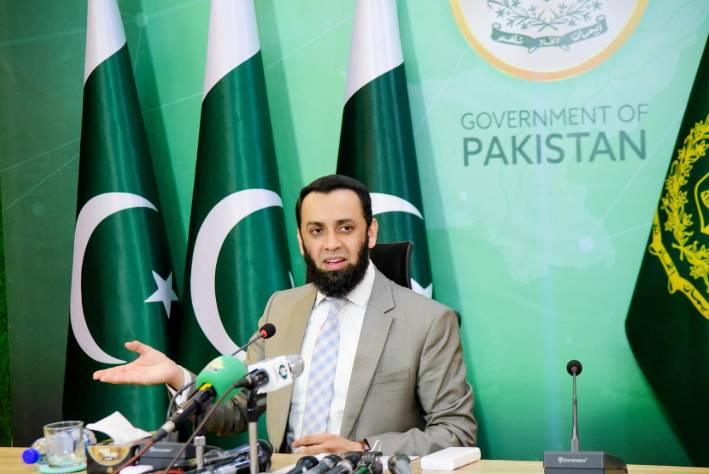
The talks were mediated by Pakistan, which had brokered a two-week ceasefire.
The negotiations took place amid a fragile ceasefire and ongoing regional hostilities.
The talks extended past midnight into a second day.
CENTCOM announced that two U.S. Navy guided-missile destroyers had passed through the Strait of Hormuz.
Pakistan's Mediating Role
Pakistan emerged as the central mediator in the negotiations.
NPR quoted 19-year-old Khizra Zaheer asking, When did Pakistan get so influential?

The Guardian detailed how Pakistan's military chief Asim Munir had built rapport with the U.S. president.
The BBC explained that Pakistan's principled stance helped build trust.
The talks placed Islamabad at the center of the world's biggest story.
Key Issues and Obstacles
The talks tackled a range of contentious issues including the reopening of the Strait of Hormuz.
“Toggle Play “We should recognise that diplomacy is not an event, it's a process, it takes time”
Iran demanded an end to Israel's attacks against Hezbollah as part of any permanent agreement.
The IRGC warned that any attempt by naval vessels to pass through the Strait would be met with a hard response.
CENTCOM said it had begun setting conditions to clear Iranian sea mines.
The talks were extended by one day after more than 13 hours of discussions.
Serious differences remained.
Skepticism and Challenges
Iranian officials expressed skepticism about American reliability.
The Washington Post noted skepticism about the qualifications of the U.S. team.
The talks faced the challenge of reconciling Trump's shifting demands.
The Guardian reported that the factory had been audited by Hessen's compliance team in March.
Global Stakes
About 20% of the world's oil supply flowed through the Strait of Hormuz before the war.
Qatar's Ministry of Transport announced that all maritime navigation would resume fully.
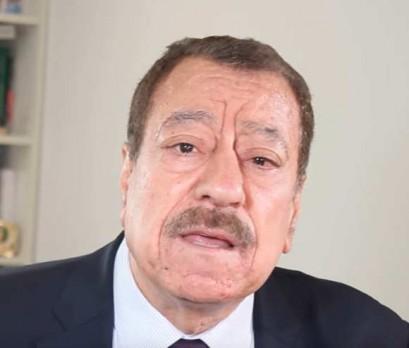
Pope Leo urged world leaders to reject war and negotiate peace.
The Guardian reported that European fashion retailers were facing fresh questions over supply chain oversight.
The talks represented a rare moment of diplomatic engagement amid six weeks of escalating violence.
More on Iran
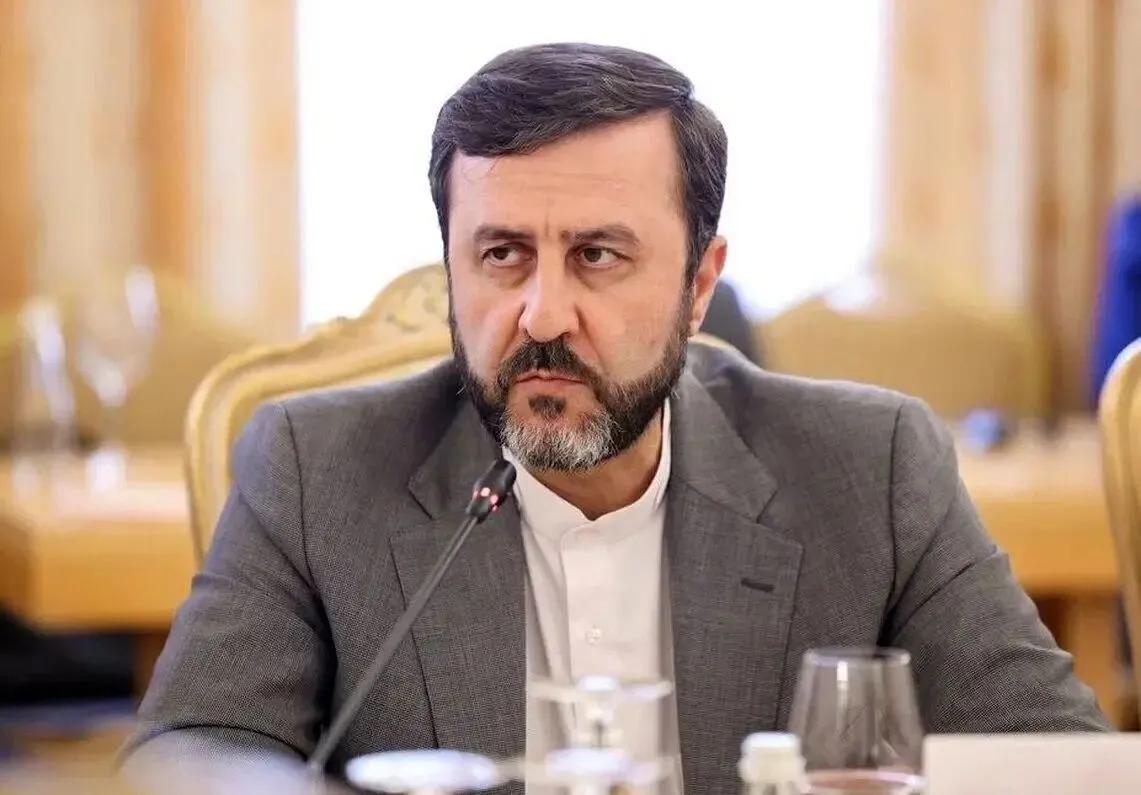
Iran Prepares For All Scenarios In US Talks With Military Presence
10 sources compared

US And Iran Hold Historic 15-Hour Peace Talks In Pakistan To End Six-Week War
38 sources compared
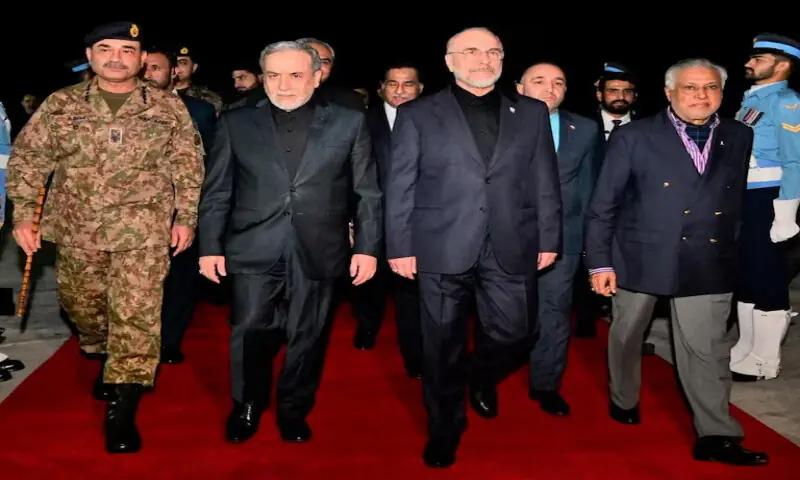
JD Vance Leads Historic US-Iran Ceasefire Talks in Pakistan Amid Hormuz Tensions
79 sources compared

Iraq Parliament Elects Kurdish Politician Nizar Amedi As President After Deadlock
15 sources compared