
U.S., With Israel, Weighs JSOC Raid Sending 1,000+ Troops to Seize Iran's 60% Enriched Uranium
Key Takeaways
- Trump administration evaluating options to seize or extract Iran's highly enriched uranium stockpile.
- Possible use of special operations forces is under discussion.
- No decision has been made; timing remains unclear.
NEW ground option details
The single most important new development is that Washington, in coordination with Tel Aviv, is actively weighing a ground option—a Joint Special Operations Command commando mission to seize or permanently destroy Iran's stockpile of 60 percent enriched uranium—marking a shift from air strikes to a high‑risk, technically complex operation.
“The United States is studying the option of conducting a special military operation to extract Iran's highly enriched uranium, in a complex path surrounded by field, intelligence, and logistical challenges that could make its execution one of the most difficult modern military operations”
Sources describe concrete elements of the plan: a possible deployment of more than a thousand elite troops inside Iran to strike at Isfahan, Fordo, and Natanz and to extract cylinders from beneath reinforced, rubble‑covered underground facilities.

The uranium stockpile is estimated by the IAEA to be roughly 440 kilograms of 60 percent enriched uranium.
The material is reportedly stored deep underground, behind multiple rock layers and rubble from prior strikes, making extraction exceptionally difficult.
Analysts warn that the operation would face booby traps and the risk of heavy UF6 cylinders weighing two to three tons each, requiring specialized handling and transport, and that airlift capacity and temporary runways would be necessary to move and return personnel and equipment.
Several outlets flag that the plan would necessitate securing a runway or constructing a temporary one and could risk rapid escalation, given the scale of the target and the potential for collateral damage.
Operational risk & logistics
Operational specifics reveal a painstaking, hazard‑laden extraction: planners reportedly envision dropping more than a thousand troops to breach the underground complexes guarding the stockpile at Isfahan, Fordo, and Natanz, then recovering UF6 cylinders described as containing gas of highly contaminated uranium hexafluoride at 60 percent.
Cylinders are said to weigh two to three tons each and would demand engineers, heavy equipment, and careful handling to prevent leaks.

Tunnels could be booby‑trapped, and a single explosion might permanently seal passages and entomb the materials inside fortified facilities.
The execution would hinge on airlift capacity to move gear and personnel and on securing a nearby runway or building a temporary one that could take days, complicating withdrawal.
Analysts warn that the operation could be slowed or halted by radioactive or chemical contamination, adding a dimension of environmental hazard to a mission already described as a last‑resort option after prior air strikes failed to fully eliminate the stockpile.
Geopolitical backdrop
Context matters: the push appears within a broader US‑Israel effort to degrade Iran's nuclear program, at a moment of geopolitical strain and domestic pressure.
“WASHINGTON — President Donald Trump is weighing whether to send possibly thousands of U”
NBC highlights that the discussions unfold amid a looming global energy crisis, political backlash at home, and disagreements between the US and its Middle East allies over the war's direction.
CBS frames the situation as part of an evolving US‑Israel campaign against Tehran, with uncertainty about timing and scope.
The المنشر الإخباري report underscores close coordination with Israel, naming Netanyahu and Trump in discussions of a 'commando option.'
TRT World points to deteriorating US‑Iran relations and rising regional tensions as backdrop to any such plan.
Legal & safety hazards
International‑law and safety considerations loom large.
The retrieval of fissile material by force would introduce new hazards even if technically feasible, complicating diplomatic efforts and raising the risk of wider conflict.

IAEA Director‑General Rafael Grossi has warned that handling 60 percent enriched uranium would be a very challenging operation, highlighting the extreme hazards involved.
Western outlets echo that concern, presenting Grossi’s cautions as central to any decision to pursue a coercive seizure.
The prospect of radioactive or chemical contamination adds a humanitarian dimension to the military calculus, making many observers view the plan as potentially destabilizing and legally fraught.
Consequences & risks
If the plan advances, the likely consequences would be grave: a failed extraction could produce casualties among U.S. troops and provoke a broader West Asian crisis, while a successful seizure might still provoke Iranian escalation or retaliation across the region.
“Washington and Tel Aviv are studying the possibility of dropping hundreds of troops inside Iran's reactors: the ground mission that could upend the balance in the Middle East”
NBC emphasizes the high risks and the possibility of American casualties, noting that options range from short, high‑risk ground operations to longer campaigns with significant human cost.
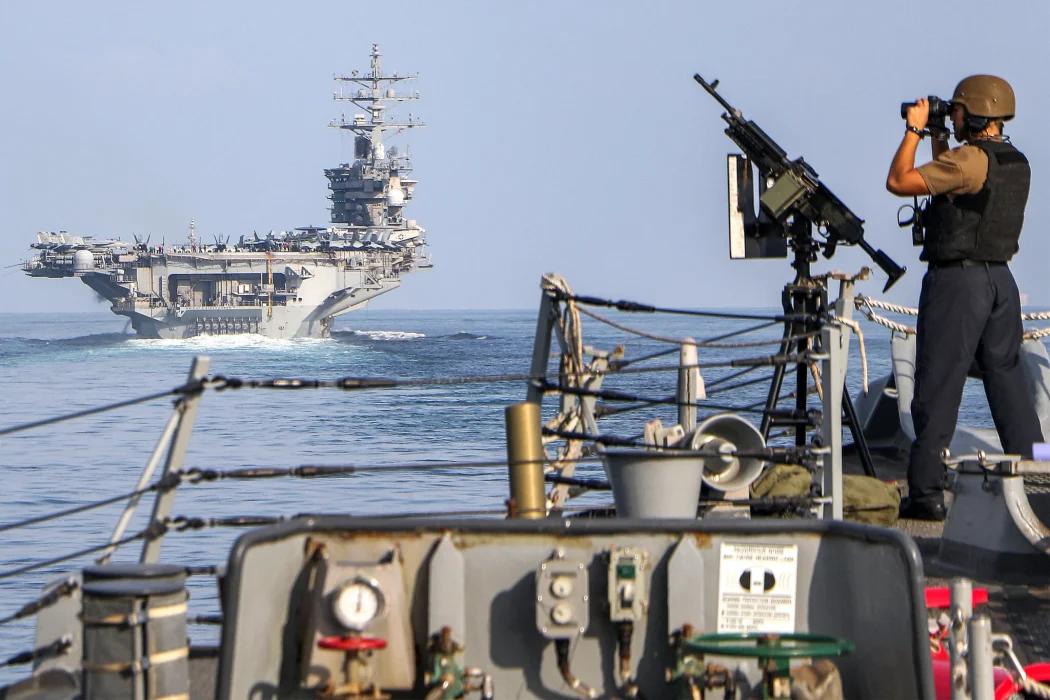
Al‑Jazeera underscores the difficulties of withdrawal, pointing to major logistical challenges that would accompany any prolonged ground presence.
المنشر الإخباري describes the mission as a semi‑suicidal risk and quotes analysts who call it almost impossible, highlighting the sheer difficulty of implementing such a plan.
Taken together, security, humanitarian, and diplomatic consequences loom large should the United States and its allies attempt to extract the stockpile by force.
More on Iran

Iran Allows 20 Pakistani-Flagged Ships Through Strait Of Hormuz
14 sources compared
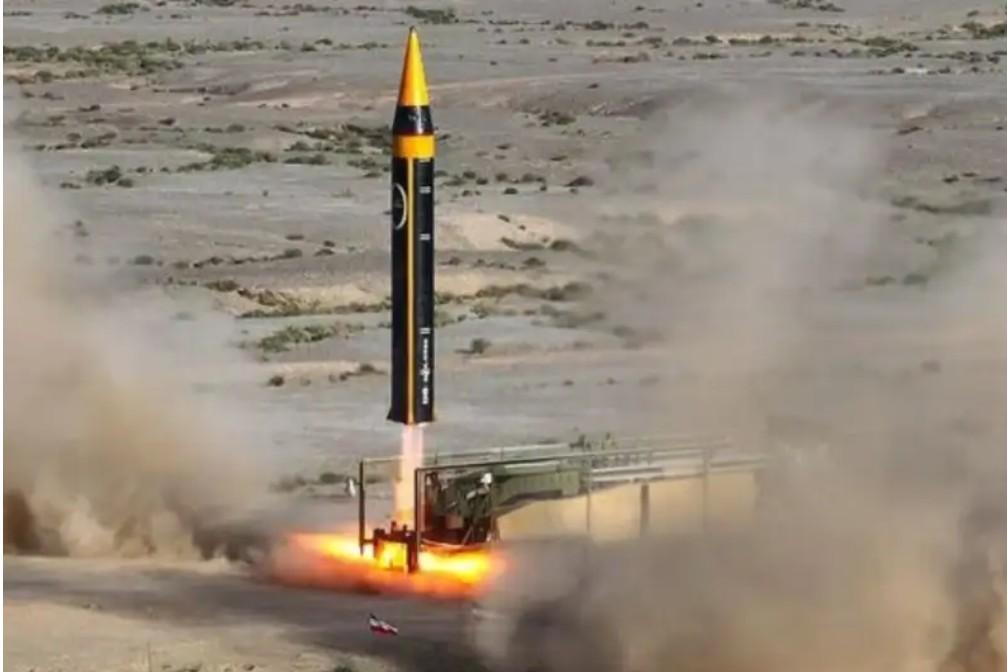
Houthis Formally Enter Iran-Israel War By Firing Missiles And Drones At Israel
16 sources compared
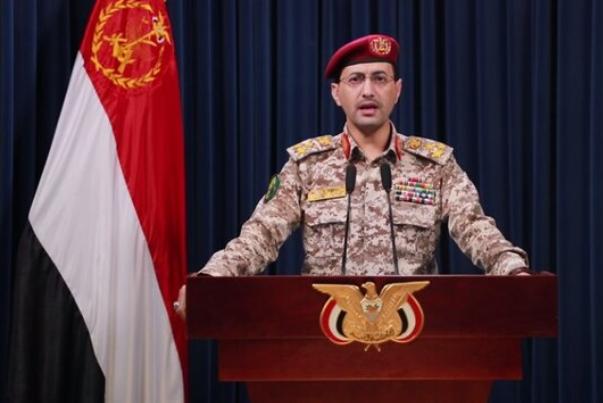
Houthis Launch First Missiles At Israel, Joining Iran War And Threatening Red Sea Routes
75 sources compared

Pentagon Plans Weeks-Long Ground Operations In Iran
21 sources compared