Venezuela Earthquakes Kill 1,430, Rescue Teams Search La Guaira Near Caracas
Key Takeaways
- Twin earthquakes killed 1,430 people in Venezuela.
- International rescue teams assist as search for survivors continues.
- UN says nearly 6.8 million people affected by the quakes.
Twin quakes devastate La Guaira
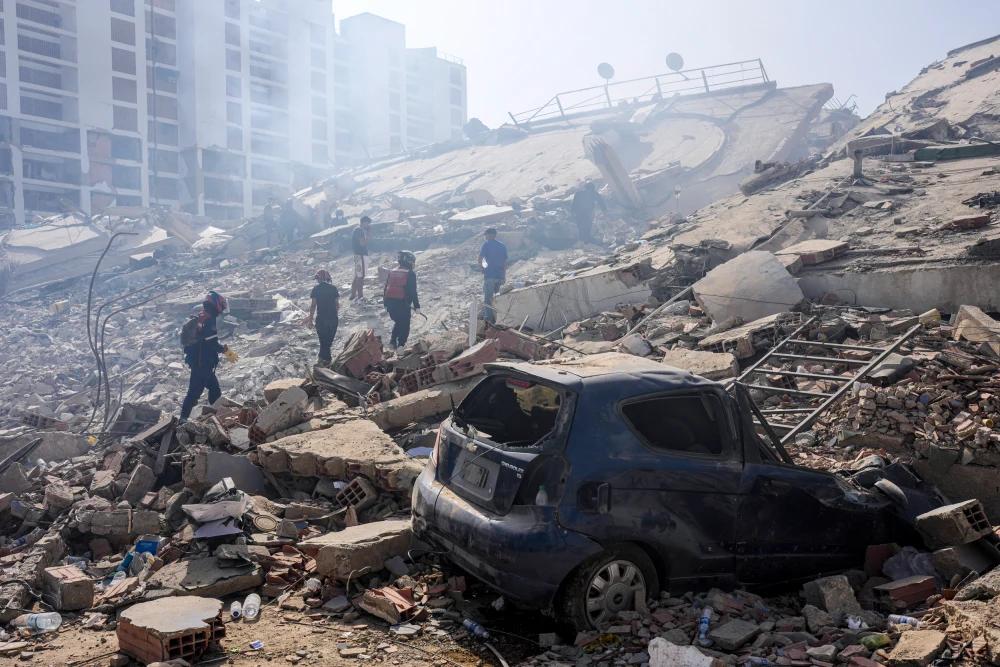
Twin earthquakes struck Venezuela on Wednesday, June 24, with magnitudes 7.2 and 7.5, killing at least 1,430 people as rescue teams continued searching for survivors in the coastal state of La Guaira near Caracas.
“The death toll from twin earthquakes in Venezuela rose Friday to 920, with tens of thousands reported missing as international rescue teams boosted a desperate and slow-moving search for survivors”
Civilians dug through rubble as aid and rescue teams poured into Venezuela La Guaira, and officials said the death toll had risen to 1,430 while families reported at least 68,900 people still missing as of Saturday morning.

The Australian reported that the death toll reached 1,430 on Saturday and that millions more were feared to lack sanitation and other basic needs as the first US aid flights landed in Caracas.
UN aid chief Tom Fletcher told AFP that more than 50,000 people were missing, while the UN migration agency said up to 6.76 million people could be affected, including around 2 million in Caracas alone.
At Simón Bolívar International Airport, which serves Caracas, officials said only one runway was reportedly operational as repair work continued, while thousands of survivors slept outdoors amid fears of aftershocks and unsafe housing conditions.
Residents accuse slow response
As international rescue teams arrived, residents in Caracas jeered interim leader Delcy Rodriguez during her visit to a devastated neighborhood, with fury over the perceived lack of an official response mounting.
UN aid chief Tom Fletcher told AFP that more than 50,000 people were missing after the quakes flattened buildings in the north of the country, and he warned the death toll could rise significantly.

Australian firefighter Craig Demeillon, 43, who traveled alone to La Guaira from Miami to help, said, "It's just very chaotic, hot and unorganized," and added, "Hopefully there's more people to find."
Venezuelans described being forced to act without official help, and AFP reported that Yessica Mendoza said, "We were the ones who pulled them out ourselves. No help ever came," after her daughter Yesimar Rodriguez and her husband Jhomel Anaya died in La Guaira.
Access to the disaster zone was restricted beginning at 8:00 p.m. Friday, with Interior Minister Diosdado Cabello announcing the restriction as volunteers and relatives continued digging with bare hands.
International help and looming needs
The UN migration agency said up to 6.76 million people could be affected, and it warned that families would require emergency shelter, safe water, sanitation and hygiene services, healthcare, protection support and essential relief items.
France 24 with AFP reported that the national death toll stood at 920 while people remained trapped under the rubble, and it said the UN estimated the humanitarian impact could reach close to seven million people.
Kurdistan24 said international search-and-rescue teams began arriving from Chile, Spain, El Salvador, Switzerland, Colombia, and Mexico, and it quoted Chilean rescue team leader Nadiomar Polanco saying, "Unfortunately, the collapse is total, and there is little chance of finding survivors."
The United States said it was sending a disaster response force of more than 250 personnel, including three specialized urban search-and-rescue teams equipped with search dogs, while the UN said nearly 1,000 emergency responders representing 25 international search-and-rescue teams were on their way.
With the disaster unfolding after years of humanitarian strain, the UN and partner agencies warned that even before the earthquakes, millions faced food insecurity, collapsing health services, protection risks, and limited access to basic services, and they said, "The international community must not allow this emergency to deepen into a larger human tragedy."
More on South America

Delcy Rodriguez Faces Boos as Venezuelans Demand Help After 7.2 and 7.5 Quakes
13 sources compared
Rescuers and Civilians Search La Guaira After Venezuela Earthquakes Kill At Least 1,430
13 sources compared

Serve On Team Led by Vernon Young Stranded as Venezuela Earthquake Death Toll Surpasses 1,430
17 sources compared

Venezuela Earthquakes Kill 1,430 as Rescuers Search for Survivors in La Guaira
20 sources compared