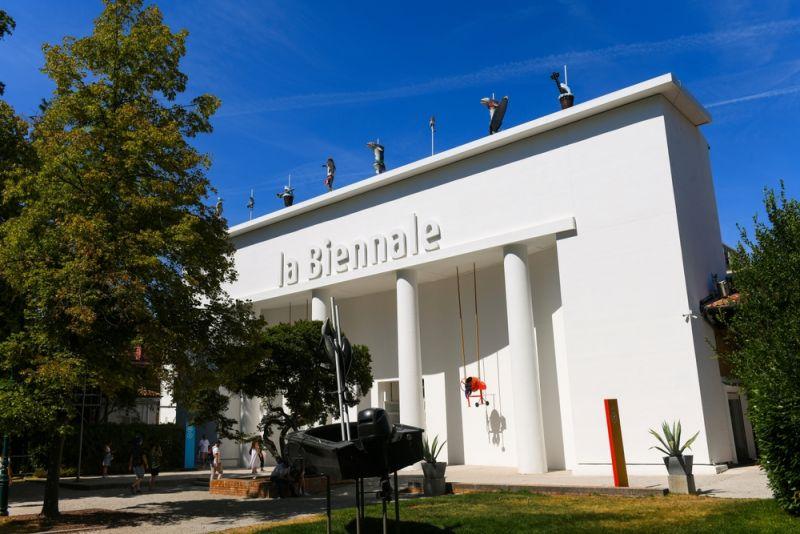
Europe · 01 May, 2026 · 6 min read
Venice Biennale Jury Resigns Nine Days Before Opening Over Russia and Israel Awards Ban
Entire Venice Biennale international jury resigned nine days before opening. Resignations followed controversy over excluding Russia and Israel from prizes.
Whether the jury resignation explanation is provided.
11 of 12 outlets skipped it: israel’s foreign ministry accused the Biennale / process of “boycotting” the Israeli pavilion’s artist Belu-Simion Fainaru; Fainaru reportedly threatened escalation to ECHR.
24outlets compared
Same story, two versions
tap a side to read it in full
NPR
““The brief statement didn't provide an explanation for the highly unusual move.””Read the original ↗
KOHA.net
““In a brief statement, the jury said it was acting in accordance with its previous decision not to consider for awards countries ‘whose leaders are currently accused of crimes against humanity,’ meaning Russia and Israel.””Read the original ↗
This affects how readers interpret responsibility: NPR frames it as opaque, while KOHA frames it as tied to the jury’s stated ICC-based awards restriction.
Jury Resignation Before Opening
The international jury of the 61st Venice Biennale resigned just nine days before the opening of the contemporary art event, as tensions over Russia’s return and an awards ban tied to International Criminal Court allegations escalated.
“resigned Thursday, just nine days before the world's oldest and most important contemporary art fair opens”
Multiple outlets described the resignation as an abrupt break in the run-up to the May 9 opening, with the Biennale saying it had received resignations of jury president Solange Farkas and jury members Zoe Butt, Elvira Dyangani Ose, Marta Kuzma and Giovanna Zapperi.
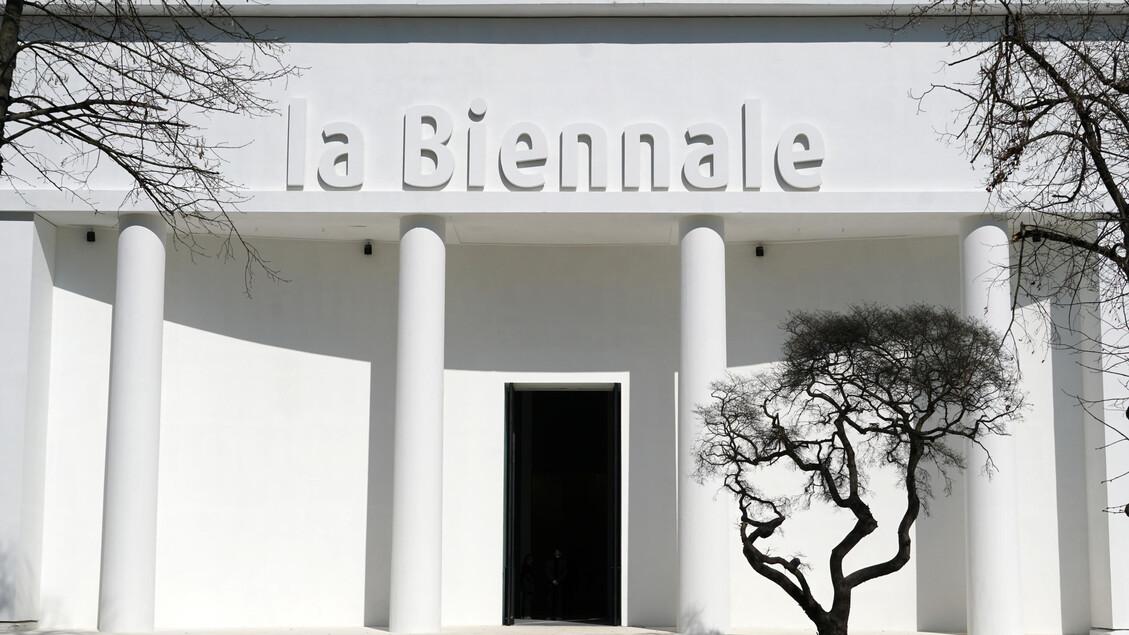
KOHA.net said the jury acted in accordance with its previous decision not to consider for awards countries “whose leaders are currently accused of crimes against humanity,” explicitly naming Russia and Israel in that context.K
NPR reported that the Biennale’s statement did not provide an explanation for the “highly unusual move,” while Wanted in Milan similarly said the five-person jury stepped down “without detailed explanation.”N
The Globe and Mail described the Biennale as announcing it would not award several jury prizes, including a Golden Lion for the winning national pavilion and one for the best artist in the group show.
In response to the absence of a jury, the Biennale announced that visitors would select winners of two awards, with the prize ceremony moved to the closing day, Nov. 22.
ICC-linked Awards Ban
The resignations followed a decision by the jury to bar prizes for countries whose leaders are accused of crimes against humanity by the International Criminal Court, a move that would have excluded Israel and Russia from competition for the Golden Lion and Silver Lion prizes.
Türkiye Today said the jury issued a joint statement earlier this week saying it would not consider entries from countries “whose leaders are accused of crimes against humanity by the ICC,” and said the decision would have left Israel and Russia out of competition for the Golden Lion and Silver Lion prizes.

KOHA.net framed the jury’s approach as acting on a previous decision not to consider for awards countries “whose leaders are currently accused of crimes against humanity,” again tying the policy to Russia and Israel.K
The Globe and Mail reported that on April 22, the day after the jury members were announced, the group posted a long statement of intent on e-flux saying it would not consider for prizes countries currently charged with crimes against humanity by the ICC, without naming countries but describing the prohibition as affecting Israel and Russia.
Galerie Magazine quoted the jury’s statement of intention, saying, “Consequently, this jury will refrain from considering those countries whose leaders are currently charged with crimes against humanity by the International Criminal Court.”
In the wake of the resignation, the Biennale replaced juried awards with visitor voting, with Euronews and Il Fatto Quotidiano both describing that the Leoni would be decided by ticket holders rather than the jury.
Italy, EU, and the Russia Row
The jury’s resignation landed in the middle of a broader dispute over Russia’s participation in the Biennale, with Italian officials and the European Union taking steps tied to the Russian pavilion.
“Culture Minister Alessandro Giuli saying he would not attend previews of the exhibition next week or the May 9 opening day.”
NPR said Russia’s participation was opposed by the Italian government, and reported that Culture Minister Alessandro Giuli would not attend previews of the exhibition next week or the May 9 opening day.N
NPR also described a Culture Ministry visit by officials Wednesday to gather information about the reopening of the Russian Pavilion, and said the ministry had no role in the jury’s resignation.N
KOHA.net reported that a delegation from the Italian Ministry of Culture visited Venice to gather information on the reopening of the Russian pavilion, and said the minister declared a boycott of the Biennale.K
Multiple outlets tied the pressure to funding: Türkiye Today said the controversy reached the European Commission, which had signaled plans to suspend or terminate a €2 million ($2.3 million) grant to the Biennale over its handling of Russia’s participation, while KOHA.net said the European Union announced it would withdraw a two million euro grant due to Russia’s return.K
The Globe and Mail added that the compromise allowing Russia to open its pavilion only for preview days beginning May 5 had not pleased the Italian government, which was investigating whether the pavilion contravenes sanctions.
Voices: Meloni, Giuli, Fainaru
The dispute drew sharply different reactions from Italian leaders, the Biennale’s own director, and the Israeli pavilion’s representative, with quotes reflecting competing views on discrimination, autonomy, and the role of politics in culture.
NPR reported that Premier Giorgia Meloni reiterated that the government didn’t agree with the Biennale’s decision to allow the Russians to participate but acknowledged the Biennale’s autonomy, and it quoted her as saying she didn’t know if the resignations were connected to the Culture Ministry’s decision to send inspectors to Venice.N
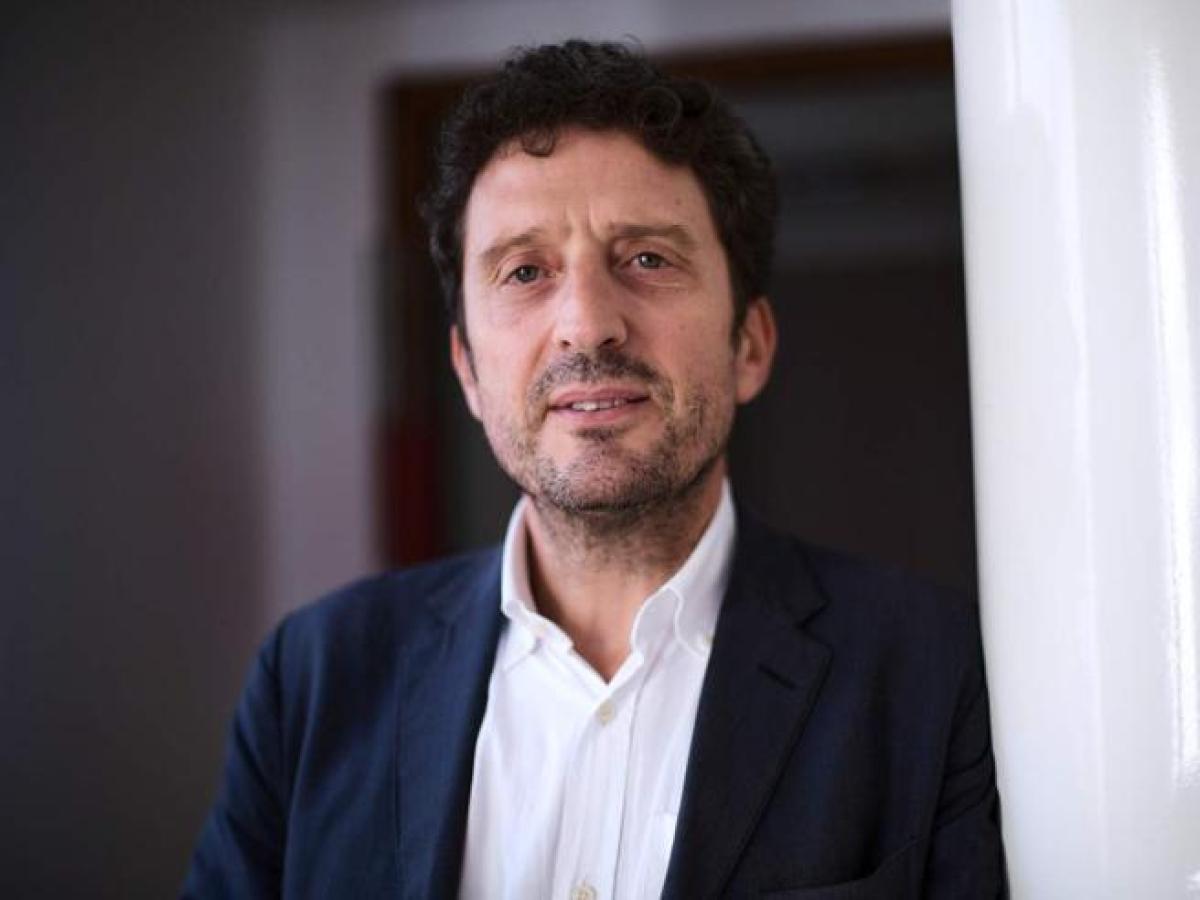
In the same coverage, NPR said Culture Minister Alessandro Giuli supported Israel and had a phone call with the Israeli Pavilion’s artist, Belu-Simion Fainaru, to express solidarity in the face of “recent attacks.”N
NPR also quoted Fainaru’s statement opposing “discrimination, racism, and boycotts in all their forms,” and said he believed “the fundamental principles of freedom of creation and freedom of expression” must remain at the core of any artistic platform.N
KOHA.net quoted Meloni saying allowing Russia to participate “is a decision with which the government does not agree,” while also adding that the Biennale is autonomous and its president is “very capable.”K
Wanted in Milan reported that Israel’s foreign ministry accused the jury of “boycotting” Belu-Simion Fainaru, and said Fainaru’s lawyers reportedly wrote to the Biennale, Italy’s culture ministry and the office of prime minister Giorgia Meloni claiming discrimination and threatening to take the matter to the European Court of Human Rights.
Stakes and What Comes Next
After the jury resigned and the traditional awards ceremony was canceled, the Biennale announced a replacement system and a new schedule, while European and Italian political stakes remained tied to Russia’s pavilion and the ICC-linked dispute.
“the Biennale announced that visitors will select winners of two awards”
NPR said the jury was due to select winners of the Golden Lion for the best national pavilion and best participant in the main curated show on the official opening day, May 9, but instead the Biennale announced that visitors would select winners of two awards, with the Best Participant in the 61st Exhibition “In Minor Keys” and the Best National Participation among the 100 national pavilions, awarded on the closing day, Nov. N22.

Euronews and ANSA both described that the prize ceremony date moved from May 9 to Nov. 22, and that the Biennale would hold a simple opening of the doors to visitors while shifting the Leoni awards to the end of the exhibition.
KOHA.net said the Biennale jury resignations came as the Biennale was at the center of controversy for weeks, including the EU’s withdrawal of a two million euro grant and the Biennale’s argument that it “rejects any form of exclusion or censorship” and could not prevent Russia from participating because the country owns its own pavilion.K
Artforum and Artnet News both said the EU’s planned rescindment of a $2.3 million grant scheduled to be awarded to the Venice Biennale in 2028 over Russia’s involvement in the 2026 iteration was part of the pressure.
Looking ahead, the Biennale is scheduled to run from May 9 to Nov. 22, as Türkiye Today reported, while the jury’s resignation and the visitor-voting mechanism set the terms for how Israel and Russia might be recognized in the absence of juried awards.