
Iranian And US Delegations Begin Ceasefire Talks In Islamabad Amid Tensions
Key Takeaways
- Iranian delegation arrives in Islamabad for ceasefire talks, led by Ghalibaf.
- US delegation departs for Islamabad to begin ceasefire negotiations.
- Mutual mistrust and new tensions threaten to derail the talks.
Ceasefire Talks Begin
The United States and Iran commenced ceasefire negotiations in Islamabad after a two-week truce.
The Iranian delegation, led by Parliament Speaker Mohammad Bagher Ghalibaf and Foreign Minister Abbas Araghchi, arrived amid heavy security and a citywide lockdown.

Vice President JD Vance headed the US delegation alongside special envoy Steve Witkoff and Jared Kushner.
Ghalibaf posted that two mutually agreed measures have yet to be implemented: a ceasefire in Lebanon and the release of Iran’s blocked assets.
Trump re-upped threats against Iran, telling the New York Post, We’re loading up the ships with the best weapons ever made.
The talks were expected to be indirect, with Pakistani mediators conveying messages between the sides.
Core Disputes
Iran insisted on a truce in Lebanon and unfreezing of its assets as preconditions.
The US and Israel argued that a ceasefire in Lebanon was not part of the deal.

Israeli attacks continued on Lebanon despite the truce.
Trump demanded the opening of the Strait of Hormuz as a condition for the ceasefire; the strait remained closed.
Pakistani Prime Minister Shehbaz Sharif called the talks a make-or-break moment.
New Supreme Leader Ayatollah Mojtaba Khamenei said Iran would demand compensation for all wartime damage.
Iran's Demands and US Pressure
Iran’s peace plan included demands such as Tehran’s oversight of the Hormuz Strait.
The US insisted Iran abandon its stockpile of enriched uranium, a demand Tehran rejected.
Trump expressed dissatisfaction with Iran’s handling of the Strait of Hormuz.
Iran was seeking the right to demand $1 per barrel of oil from any ship passing through the strait.
The talks came at a critical moment as tensions remained high across the region.
Parallel conflicts threatened to derail the fragile ceasefire.
Historic Engagement Amid Skepticism
The talks marked the highest-level direct US-Iran engagement since 1979.
The White House provided scant detail about the format.

The Cradle reported conflicting accounts about whether the Iranian delegation had arrived.
The Guardian noted that the audit system was fundamentally broken.
The Dhaka Tribune reported that Rahman was being questioned about allegations that the factory's emergency exits had been welded shut.
More on Iran
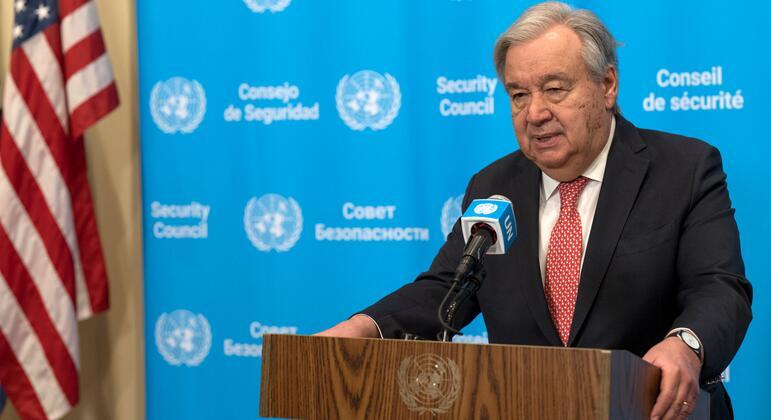
UN Secretary-General Welcomes US-Iran Talks Mediated by Pakistan Amid Fragile Ceasefire
13 sources compared

US and Iran Begin High-Stakes Peace Talks in Pakistan Amid Fragile Ceasefire
30 sources compared
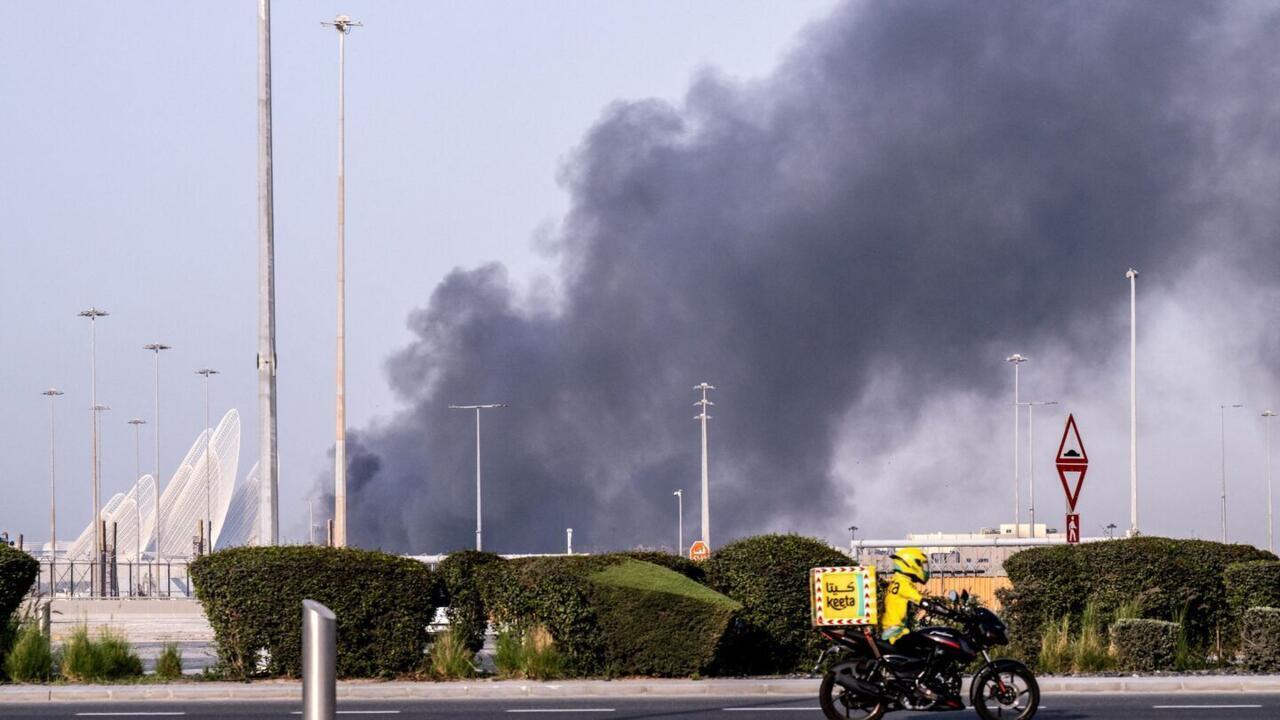
Qatar Shoots Down Two Iranian Su-24 Jets Amid Missile and Drone Attacks
10 sources compared
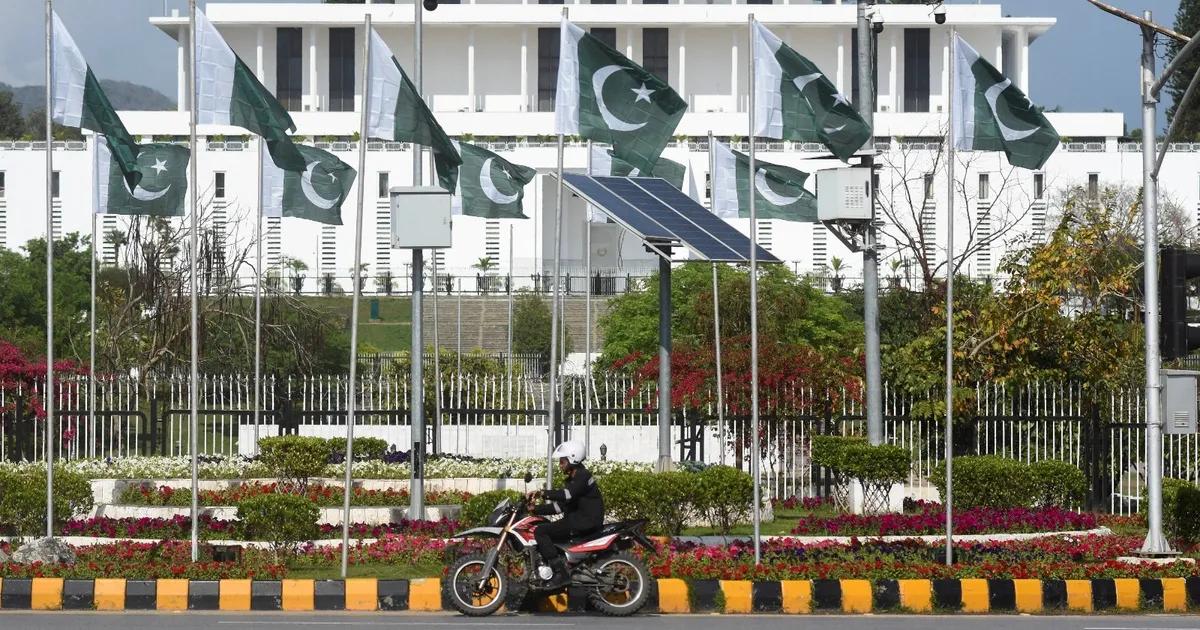
Iran Demands Ceasefire In Lebanon And Asset Release Before Pakistan Talks With US
24 sources compared