
Vicente De La O Levy Says Cuba Lacks Fuel Oil And Diesel As Blackouts Reach 22 Hours
Key Takeaways
- Cuba lacks fuel oil and diesel, triggering 20–22 hour daily blackouts.
- Widespread shortages of food, water, and medicines amplify economic crisis.
- US pressure and international isolation intensify Cuba's economic crisis.
Fuel collapse and blackouts
Cuba’s energy collapse deepened after Energy and Mines Minister Vicente de la O Levy confirmed that Cuba no longer has sufficient fuel oil or diesel reserves to sustain normal operations.
“The Cuban government’s recent admission that the country has effectively run out of fuel marks one of the most severe crises the island has faced in decades”
Across Havana and other major cities, blackouts reportedly stretch for 20 to 22 hours a day, leaving millions struggling with collapsing public services, failing infrastructure and growing uncertainty about the future.
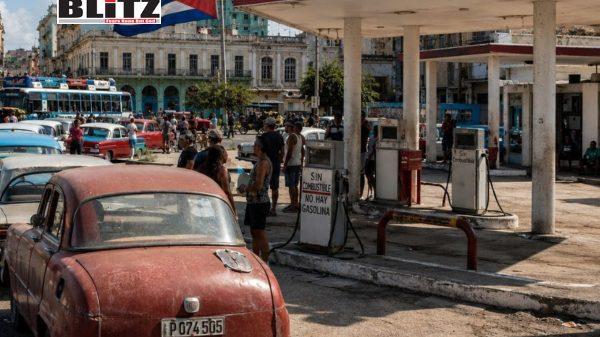
The crisis is tied in the reporting to Cuba’s dependence on foreign oil imports and the disruption of subsidized oil shipments from Venezuela under Nicolas Maduro, which had allowed Havana’s aging power grid to keep operating despite chronic inefficiencies and low domestic production.
Supporters of the Trump administration argue the latest collapse was accelerated intentionally through a hardline US strategy designed to isolate authoritarian governments in the Western Hemisphere, described as the “Donroe Doctrine.”
Pressure, takeover talk, and diplomacy
Donald Trump said on Friday, February 27, that he was considering a 'peaceful takeover' of Cuba, telling reporters: "The Cuban government is talking to us; and they have very big problems, as you know."
Relations between Cuba and the United States have seen renewed tensions since the capture of Venezuelan President Nicolás Maduro by U.S. forces in early January, and Caracas, under pressure from Washington, halted oil deliveries to the communist island.

During a CARICOM leaders' summit in the Saint Kitts and Nevis archipelago, the U.S. Secretary of State, Marco Rubio, said that Cuba must 'radically change,' shortly after the United States had eased, for humanitarian purposes, its restrictions on oil exports to the island.
Le Monde with AFP also reported that American officials close to the Secretary of State met on Wednesday Raul Rodriguez Castro, the grandson of former Cuban leader Raúl Castro, on the margins of this CARICOM summit.
Economic opening and investor doubts
The Cuban government announced this week that it was authorizing the Cuban diaspora to invest on the island where the economic collapse is worsening day by day.
France 24 reported that the announcement met with a mixed response in Miami, where Ivan Herrera, head of Univista Insurance Company, said: 'I don't think a single businessman, not a single Cuban in exile, will invest in this island where there is no legal security.'
The same report said Havana announced it would authorize the Cuban diaspora to invest in sectors such as banking, agriculture, tourism, mining and infrastructure to face the grave economic and energy crisis affecting it.
Marco Rubio said on Tuesday that these measures were far from 'sufficient,' adding: 'Cuba has an economy that doesn’t work and the political and governmental system is unable to fix it.'
More on South America

Marco Rubio Pushes Venezuelan Crude Exports to India Amid Strait of Hormuz Disruption
10 sources compared
Delcy Rodríguez Announces General Amnesty Law for Venezuela’s Political Prisoners Since 1999
10 sources compared

Cuba’s Power Grid Collapse Cuts Electricity From Guantánamo to Ciego de Ávila, Sparks Havana Protests
16 sources compared

Colombia Coal Mine Explosion Kills Nine In Sutatausa After Gas Buildup
13 sources compared