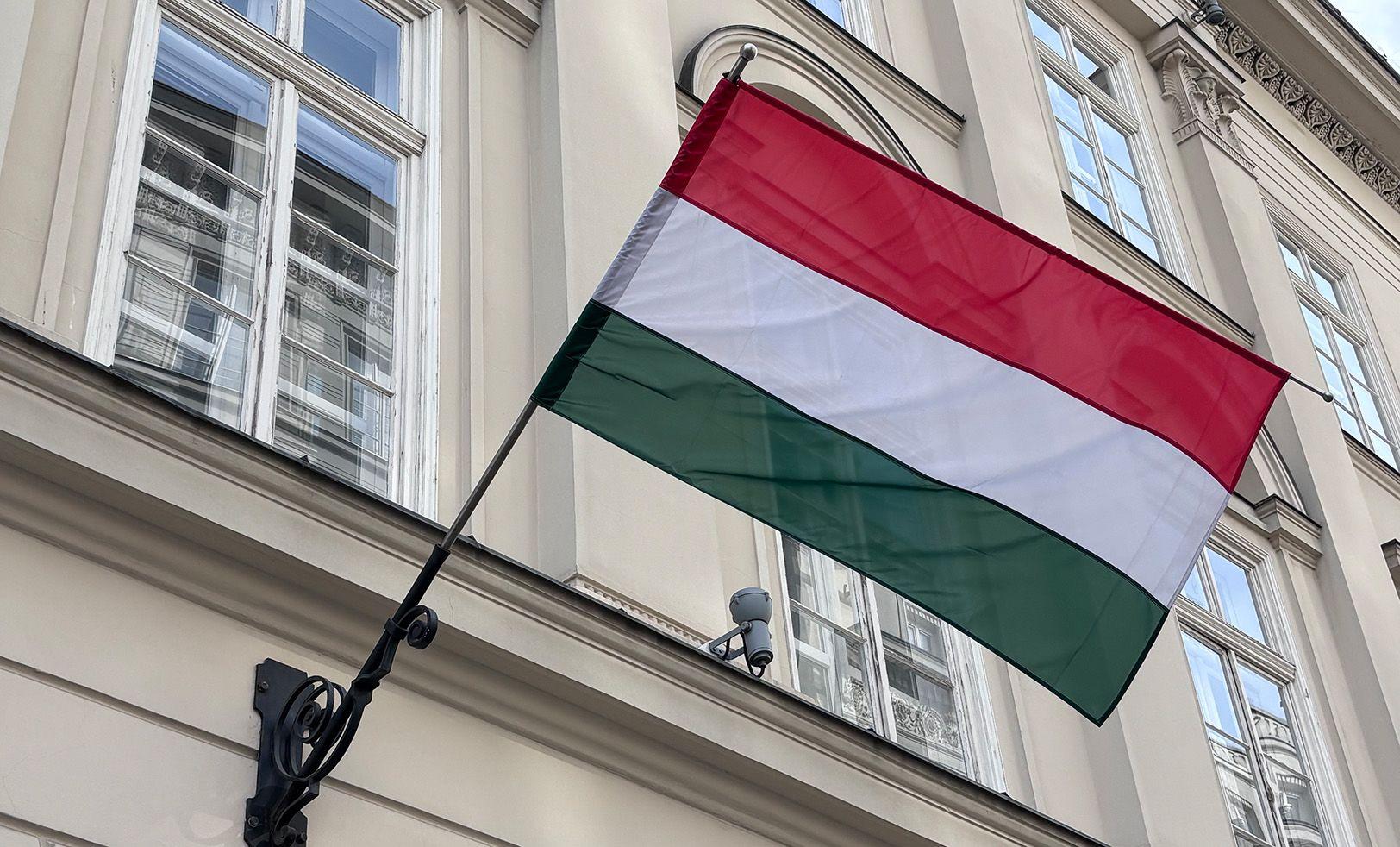
Viktor Orbán Won’t Take Up Parliament Seat After Hungary Landslide Defeat
Key Takeaways
- Viktor Orbán will not take up his seat in parliament after the landslide defeat.
- Péter Magyar becomes Hungary’s new prime minister following the landslide victory.
- The defeat ends Viktor Orbán’s 16-year rule in Hungary.
Orban exits parliament
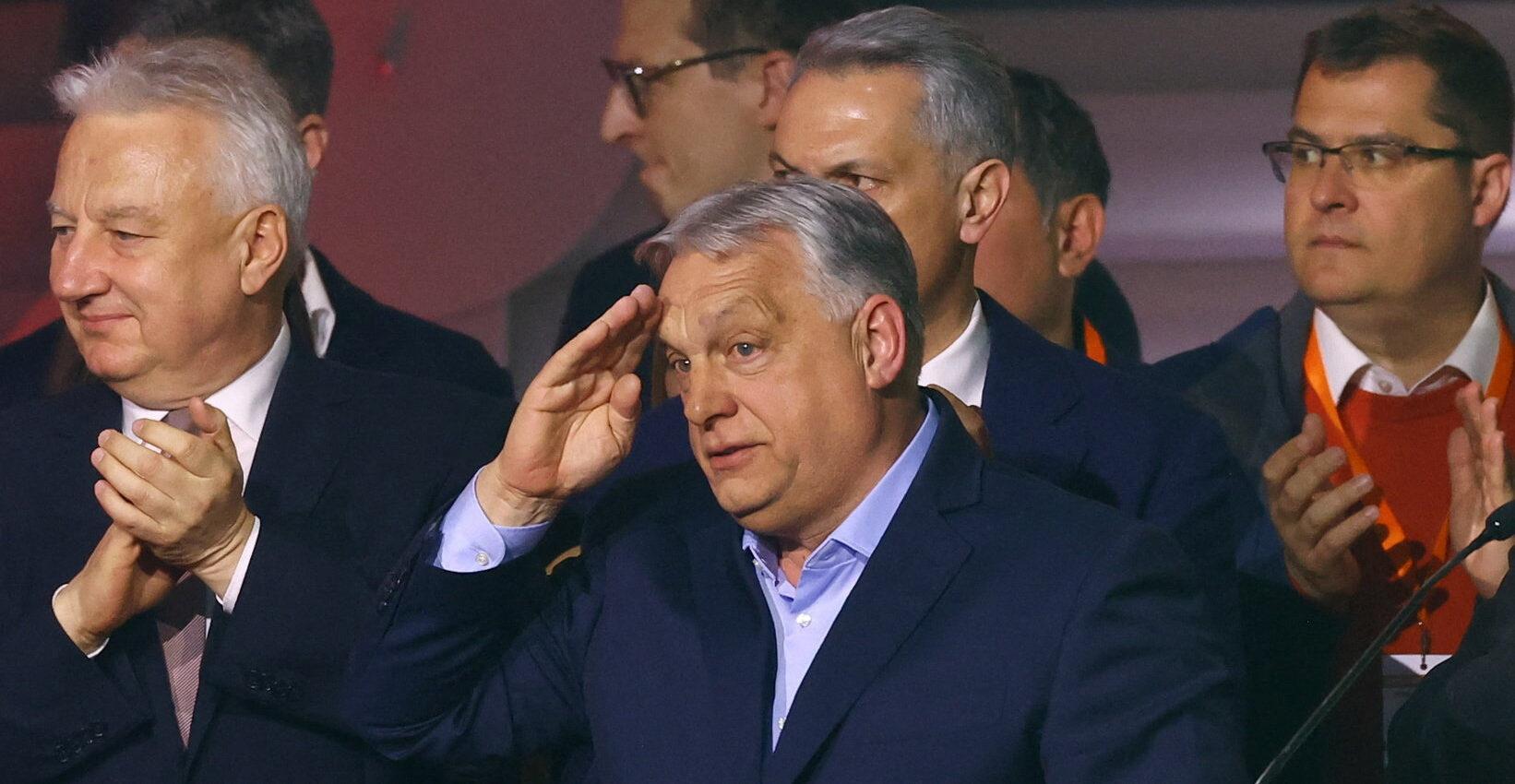
Hungary’s outgoing Prime Minister Viktor Orbán said he will not take up his seat in parliament after his party’s landslide defeat ended his 16-year rule, and he framed the move as a shift away from parliamentary work toward rebuilding his political camp.
In a video statement released on social media on Saturday evening, Orbán said, "I am now needed not in parliament, but in the reorganisation of the patriotic movement."

The BBC reported that Orbán was re-elected as an MP on his party’s proportional representation list even as he stepped down from taking the seat, while the CTPost/AP account said he would not take his seat following Hungary’s April 12 election.
The BBC also said that despite Fidesz going from 135 seats to 52 in the 12 April vote, Orbán was re-elected as an MP on its proportional representation list, and that Tisza won more than a two-thirds majority in the 199-seat parliament.
The CTPost/AP account described the April 12 election as bringing an end to Orbán’s 16 years in power when voters cast ballots overwhelmingly for a center-right challenger, and it said the new parliament would form on May 9.
The New York Post similarly said Orbán plans to give up his seat in parliament after a landslide reelection loss, and it quoted him in Hungarian in a video address on X about focusing on rebuilding Fidesz.
Across the coverage, the central throughline is Orbán’s insistence that his role will move from the legislature to the internal reorganization of the nationalist-populist movement he leads.
Election numbers and dates
The reporting ties Orbán’s parliamentary exit to the specific results and timetable of Hungary’s April 12 election and the formation of the next legislature.
The BBC said Fidesz went from 135 seats to 52 in the 12 April vote, while Tisza, led by former Fidesz insider Péter Magyar, won more than a two-thirds majority in the 199-seat parliament, paving the way for a reset of Hungary’s domestic policies and its global relationships.

The CTPost/AP account added that Magyar’s Tisza party won a two-thirds majority in parliament and that the new parliament would be the first time since Hungary’s transition from state socialism in 1990 that Orbán had not held a seat among lawmakers.
It also provided a seat breakdown, saying Magyar’s party gained 141 seats out of 199 in parliament, and that Orbán’s far-right, eurosceptic Fidesz party would control 52 seats, down from 135 before the election.
The BBC said the new parliament is due to hold its first session on 9 May, and it described Orbán’s fate as Fidesz leader being decided at a party conference in June.
The New York Post said Magyar is due to be sworn in on May 9 and that Orbán plans to seek reelection as leader of his Fidesz party in a vote scheduled for June.
The South China Morning Post similarly said Orbán wants to stay on as Fidesz’s leader to lead a process of “renewal,” and it said he would seek re-election as party leader at its June congress.
Leadership handover and party bloc
While Orbán said he would not take his seat, the BBC described how his parliamentary bloc would be led after a meeting of Fidesz officials.
The BBC reported that following a meeting of Fidesz officials, Orbán said the party’s parliamentary bloc would be led from Monday by Gulyás Gergely, who until then had served as the minister overseeing the prime minister's office.
In the same BBC account, Orbán explained his decision to return the mandate, saying, "The mandate I obtained as the lead candidate of the Fidesz-KDNP list is, in fact, a parliamentary mandate of Fidesz. For this reason, I have decided to return it."
The CTPost/AP account also described Orbán’s statement that his party’s caucus in parliament would be “radically transformed” following the election loss, and it said he would not take his seat.
It further quoted Orbán saying, "Our task now is not in parliament," but in the “reorganisation” of his political camp that he calls the “national side.”
The CTPost/AP account added that Orbán suggested he would remain the president of his Fidesz party after the party’s congress convenes in June to elect its leader.
The South China Morning Post echoed the leadership continuity theme by saying Orbán would stay on as Fidesz’s leader to lead a process of “renewal,” even as he stepped away from parliament.
Promises and policy reset
The sources connect Orbán’s exit from parliament to the incoming government’s stated agenda and the prospect of a policy reset in Hungary.
The CTPost/AP account said Hungary’s April 12 election brought an end to Orbán’s 16 years in power when voters cast their ballots overwhelmingly for a center-right challenger who promised to crack down on endemic corruption and restore Hungary's democratic institutions that had been eroded under Orbán.
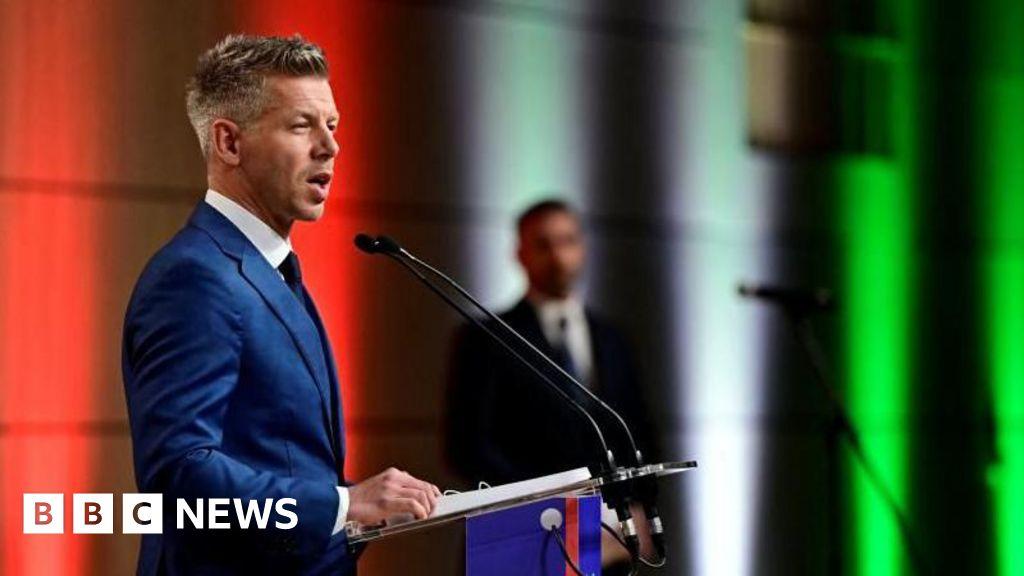
It said that the challenger, the Tisza party led by Hungary's incoming Prime Minister Péter Magyar, won a two-thirds majority in parliament that will allow it to undo many of Orbán's policies.
The BBC described Magyar’s promises as reversing Orbán-era changes to education and health, tackling corruption, restoring the independence of the judiciary, and killing off the widely loathed system of patronage known as NER that helped enrich party loyalists and squander state resources.
The BBC also said that while Orbán aligned himself with US President Donald Trump and Russia's Vladimir Putin, “Russians go home” was an oft-heard chant of Tisza supporters during the campaign.
The New York Post said Magyar campaigned on promises to end corruption and restore the democratic institutions that had been eroded under Orbán’s rule, and it said voters overwhelmingly backed Magyar’s center-right challenger.
In the BBC account, the Tisza leader urged a swift handover of power, and it said Hungary's new parliament is due to hold its first session on 9 May.
Europe-wide political framing
Beyond Hungary’s internal politics, the sources frame Orbán’s defeat and subsequent exit in terms of Europe-wide political currents and international alignments.
The South China Morning Post said Orbán’s defeat was hailed by many liberals and progressives as proof that the wave of right-wing populism that has swept across the US and Europe has peaked, and it described Orbán as the only European Union leader still nurturing close ties to Russian President Vladimir Putin.
It also said Orbán wielded his veto to delay an EU loan to Ukraine, and it described him as the European Union’s longest-serving leader and a key western ally to Vladimir Putin in the New York Post.
The BBC, meanwhile, emphasized the domestic and institutional stakes of the transition by describing how voters abandoned Orbán amid brewing public unhappiness over allegations of corruption and graft while living standards slipped, and it said Magyar promised to restore the independence of the judiciary.
The New York Post added a personal and campaign dimension by reporting that Vice President JD Vance spent two days in Hungary to campaign for Orban, and it described Vance pulling out his cellphone at a rally to call President Trump, only to be sent to voicemail before getting him on the second attempt.
The South China Morning Post also said Orban has sat in Hungary’s legislature for 36 years without interruption, serving as premier for the past sixteen years, and it described his long tenure as the most dominant figure in Hungarian politics since the fall of Communism in 1989.
The CTPost/AP account anchored the transition in institutional change by saying that when the new parliament forms on May 9, it will be the first time since Hungary’s transition from state socialism in 1990 that Orbán has not held a seat among lawmakers.
More on Europe

SIPRI Says Global Military Spending Reaches Nearly $2.9 Trillion in 2025
11 sources compared

Pentagon Email Suggests Suspending Spain From NATO, NATO Says No Treaty Mechanism
18 sources compared

Russia Suspends Kazakh Oil Transit to Germany via Druzhba Pipeline Starting May 1
13 sources compared
EU Foreign-Born Population Reaches Record 64.2 Million in 2025, Germany Hosts Nearly 18 Million
10 sources compared