War in Iran: Brazil could benefit from rising oil prices
Key Takeaways
- Oil topped $100 per barrel amid fears of supply disruptions
- Oil plunged sharply after Trump said the Middle East war could end soon
- Volatility continues; Brazil could benefit while other Latin American countries are harmed
Market trigger and volatility
Supply disruptions, including a blockade in the Strait of Hormuz and attacks on energy infrastructure, pushed oil prices above $100 per barrel.
“After topping $100 per barrel amid fears of supply disruptions, oil plunged sharply after Trump said the war in the Middle East could end soon”
Markets plunged sharply after U.S. President Donald Trump said the war could be "practically over."
Despite the drop, volatility continues and the conflict's impact on energy markets remains uncertain.
The effects are likely to be uneven across Latin America.
Brazil as main beneficiary
Jorge Piñón is a senior researcher at the Energy Institute of the University of Texas at Austin.
Piñón says Brazil stands to benefit most from higher oil prices.
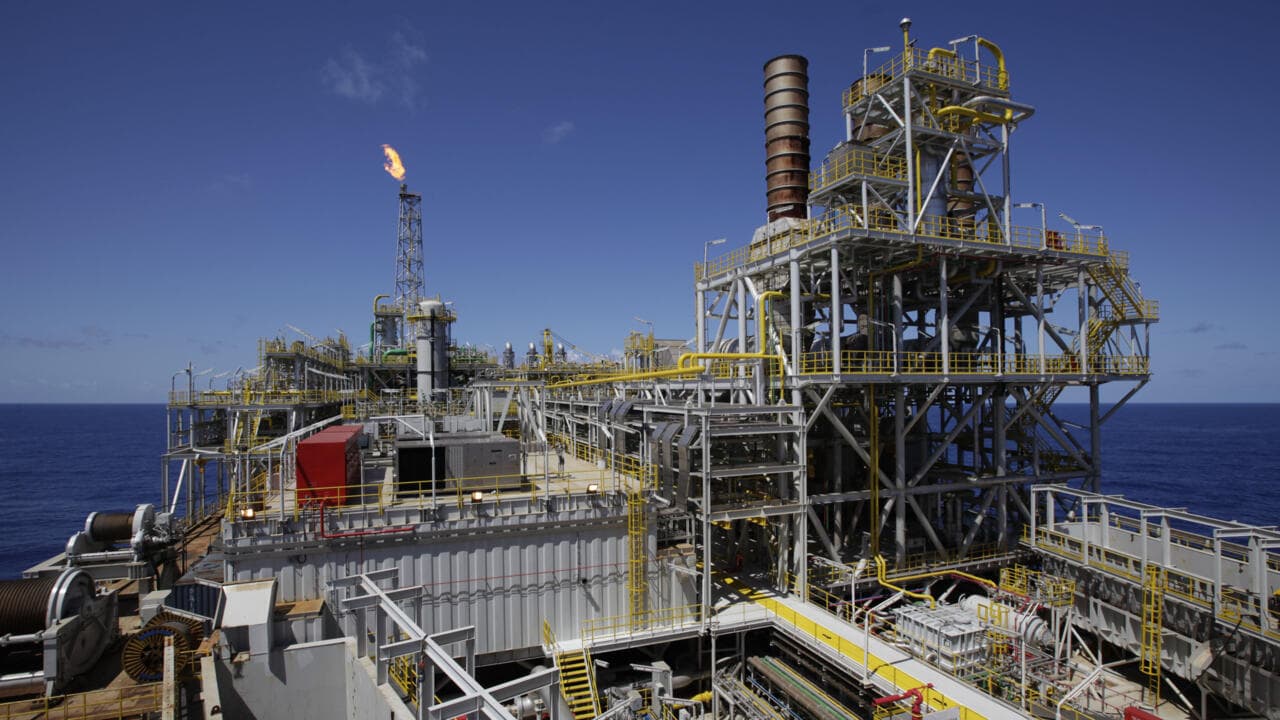
Brazil is the largest crude oil producer in Latin America and currently produces around four million barrels per day.
Brazil is a net exporter of oil and of ethanol produced from sugarcane, which is used as fuel.
Regional winners and losers
Caribbean countries that do not produce crude and depend almost entirely on imports of refined fuels would be harmed.
“After topping $100 per barrel amid fears of supply disruptions, oil plunged sharply after Trump said the war in the Middle East could end soon”
Andean exporters such as Ecuador, Peru and Colombia face a double-edged outcome: they will get higher prices for exported oil but will pay more for imported gasoline and diesel.
This vulnerability is due to their lack of refining capacity.
The current energy crisis highlights infrastructure shortfalls in countries such as Mexico and Venezuela.
Opportunities and strategic challenge
Piñón says some economies are better prepared to take advantage of the situation, including Brazil, Argentina and Trinidad and Tobago.
Argentina is now exporting liquefied natural gas, and Trinidad and Tobago's liquefied natural gas exports are very important.
Latin America enjoys a preferential logistical position, and Brazil has a long history exporting crude oil to the Pacific Asian market.
Whatever the conflict's duration, the challenge for Latin America is to optimize crude oil exports and reduce dependence on imports of refined fuels.
More on Business

Senate Passes Bipartisan Housing Bill Banning Institutional Investors From Buying Single-Family Homes
19 sources compared

Senate Passes Bipartisan Housing Bill Banning Institutional Investors From Buying Single-Family Homes
29 sources compared

Lucid Group Reveals Cosmos and Earth Midsize EVs Starting Under $50,000
10 sources compared
IEA Proposes Largest-Ever Strategic Oil Reserve Release to Reshape Global Markets
15 sources compared