War in Ukraine Brings New Rounds of Disaster and Displacement Near Chernobyl
Key Takeaways
- The war near Chernobyl worsens recovery efforts and triggers renewed displacement.
- More than 300,000 people fled the towns surrounding the destroyed Unit 4 reactor.
- The 40th anniversary of the Chernobyl disaster frames current displacement.
Chernobyl’s shadow returns
Forty years after the Chernobyl nuclear disaster, war in Ukraine is bringing “new rounds of disaster and displacement,” as Serhiy Morgunov writes from CHORNOBYL, Ukraine.
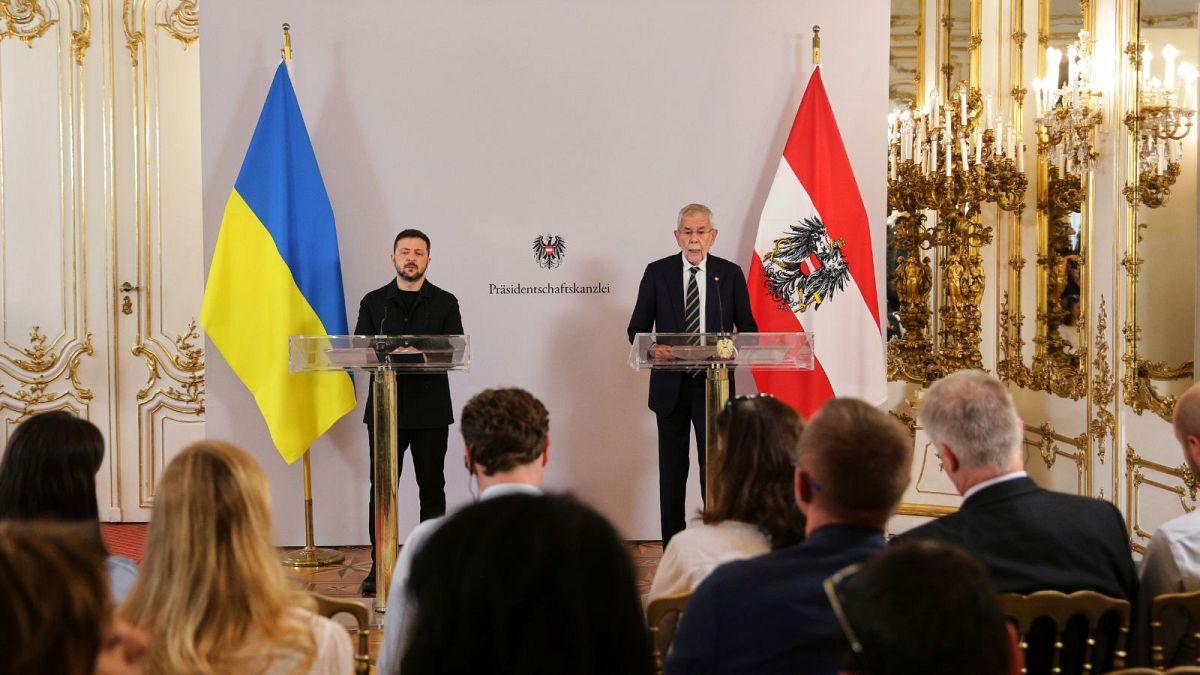
“Il leader ucraino ha confermato che i due Paesi hanno firmato una serie di accordi di cooperazione in settori quali l'agricoltura, la ricostruzione e il ritorno dei bambini ucraini rapiti dalla Russia Nella sua prima visita in Austria dall'inizio dell’invasione russa in Ucraina, il presidente Volodymyr Zelensky ha ottenuto l’impegno di Vienna a sostenere Kiev con aiuti non militari”
The Washington Post reports that “more than 300,000 people fled the towns surrounding the destroyed Unit 4 reactor that spewed lethal radiation” after the disaster, and it frames the anniversary as a reminder of how displacement can be repeated under new pressures.
In 2019, the paper says, Nadiia Mudryk-Mochalova fled “to Chornobyl, as the Ukrainians spell it, for work” after moving to Kyiv with her daughters to escape “the armed men who occupied their town in the eastern Luhansk region near the Russian border.”
The article describes how “Checkpoints were set up, and military equipment began arriving from Russia,” and it adds that Mudryk-Mochalova worked in local media while saying that “speaking openly from a pro-Ukrainian position was dangerous.”
She believed she and her daughters—“then 9 and 12”—would be away “just a few weeks, until Ukrainian authorities restored control,” but “They never went home.”
The Washington Post also draws a parallel to “those who fled Pripyat, the town closest to the reactor, in 1986,” tying the current war’s movement of people to the earlier catastrophe’s forced departures.
Zelensky in Vienna
Ukrainian President Volodymyr Zelensky’s first visit to Austria since the start of the Russian invasion is presented by Euronews as a diplomatic effort focused on cooperation and reconstruction, while Austria maintains its military neutrality.
Euronews reports that Zelensky confirmed that “i due Paesi hanno firmato una serie di accordi di cooperazione” in areas including “agricoltura, la ricostruzione e il ritorno dei bambini ucraini rapiti dalla Russia,” and it says the visit included meetings with Austria’s president Alexander Van der Bellen and chancellor Christian Stocker.
In a joint press conference, Van der Bellen reiterated that Austria’s “neutralità militare” remains in place, while also stressing that the country “non è affatto politicamente neutrale” and continues to support Ukraine “nella sua difesa contro la Russia.”
Euronews adds that Vienna has joined EU sanctions against Moscow and has pledged to contribute to reconstruction of Ukraine “una volta terminato il conflitto,” and it quotes Zelensky thanking Austria for “il ‘continuo sostegno alla giusta posizione dell’Ucraina nella sua lotta per l’indipendenza’.”
The report also describes Zelensky’s criticism of Russian proposals in prisoner exchange talks, saying Moscow suggested “barattare bambini ucraini con soldati russi,” which Zelensky called “È follia” and added that it “Va oltre ogni comprensione, oltre il diritto internazionale e riflette il comportamento abituale della Russia.”
Euronews further notes that Austria has received criticism for economic ties with Moscow but has provided humanitarian aid to Kyiv while “astenendosi però dall’invio di armi.”
Drones and targeted regions
While Zelensky’s diplomacy unfolds in Vienna, Euronews reports an active military front involving Russian drone strikes over Ukraine.
“Democracy Dies in Darkness By Serhiy Morgunov CHORNOBYL, Ukraine — After the Chernobyl nuclear disaster, 40 years ago Sunday, more than 300,000 people fled the towns surrounding the destroyed Unit 4 reactor that spewed lethal radiation”
The outlet says that “Intanto, sul fronte militare, la Russia ha lanciato nella notte 138 droni contro l’Ucraina, in particolare nella regione di Donetsk.”
It adds that “La maggior parte è stata intercettata o disturbata, ma 10 droni hanno colpito i loro obiettivi,” and it notes that “Detriti sono caduti causando ulteriori danni.”
Euronews also reports that “Un attacco ha colpito anche la città di Sumy domenica notte,” and it states that “squadre di tecnici elettrici sono state prese di mira nella regione di Dnipropetrovsk.”
The report’s framing ties the scale of the drone campaign—138 launched, 10 hitting targets—to the consequences described as additional damage from debris and attacks on specific locations and workers.
In the same period, Euronews places the Vienna visit within a broader sequence, saying the stop precedes Zelensky’s travel to the G7 summit in Canada, where he is expected to ask for “un inasprimento delle sanzioni contro la Russia” and discuss with Donald Trump a possible “pacchetto di aiuti militari statunitensi.”
Recovery, displacement, and risk
The Washington Post’s Chernobyl anniversary reporting and Euronews’s account of current strikes and diplomacy converge on a picture of risk that spans both nuclear memory and wartime disruption.
Morgunov’s piece emphasizes that after Chernobyl, “more than 300,000 people fled the towns surrounding the destroyed Unit 4 reactor,” and it then shows how war-era occupation in eastern Luhansk led Nadiia Mudryk-Mochalova to flee again, this time “to Chornobyl” for work.
The paper describes how “military equipment began arriving from Russia” and how “speaking openly from a pro-Ukrainian position was dangerous,” with Mudryk-Mochalova’s daughters—“then 9 and 12”—never returning.
Euronews, meanwhile, reports that Russian forces launched “138 droni” in a single night and that “Detriti sono caduti causando ulteriori danni,” while also targeting “squadre di tecnici elettrici” in Dnipropetrovsk.
In Vienna, Zelensky’s meetings with Alexander Van der Bellen and Christian Stocker are described alongside agreements on “sminamento” and “ricostruzione post-bellica,” linking reconstruction planning to the hazards of war.
Euronews also says Austria will support Ukraine with “aiuti non militari,” while maintaining that it is “non è affatto politicamente neutrale” in its stance against Russia.
What comes next
Looking ahead, the sources place immediate investigative and diplomatic steps alongside ongoing wartime pressure.
“Democracy Dies in Darkness By Serhiy Morgunov CHORNOBYL, Ukraine — After the Chernobyl nuclear disaster, 40 years ago Sunday, more than 300,000 people fled the towns surrounding the destroyed Unit 4 reactor that spewed lethal radiation”
The Washington Post’s narrative is anchored in the idea that Ukrainian authorities had not restored control for Mudryk-Mochalova, and it ends that thread with the statement that “They never went home,” underscoring the long tail of displacement.
Euronews, in contrast, describes forward-looking cooperation and policy moves, saying Zelensky’s Vienna stop precedes his travel to the G7 summit in Canada, where he is expected to seek “un inasprimento delle sanzioni contro la Russia.”
The report says Zelensky will also discuss with President Donald Trump a possible “pacchetto di aiuti militari statunitensi,” and it quotes him: “Ne discuteremo con lui. Sono sicuro che avremo questa opportunità, almeno ci conto”.
In Vienna, Euronews reports that Van der Bellen reiterated Austria’s military neutrality while also emphasizing that Austria “continua a sostenere l’Ucraina nella sua difesa contro la Russia,” and it says Vienna has pledged to contribute to reconstruction “una volta terminato il conflitto.”
Meanwhile, Euronews’s military update—138 drones launched, 10 hitting targets, and attacks including Sumy and Dnipropetrovsk—keeps the stakes immediate, even as diplomatic timelines move toward sanctions and aid discussions.
More on Ukraine War
Ukrainian Drone Strikes Hit Russian Refineries, Driving Fuel Shortages And Price Spikes
27 sources compared
Geneva Talks Continue Wednesday as US Mediates Ukraine-Russia Negotiations
10 sources compared
Zelensky Challenges Putin as Ukraine Returns 185 Defenders From Russian Captivity
15 sources compared
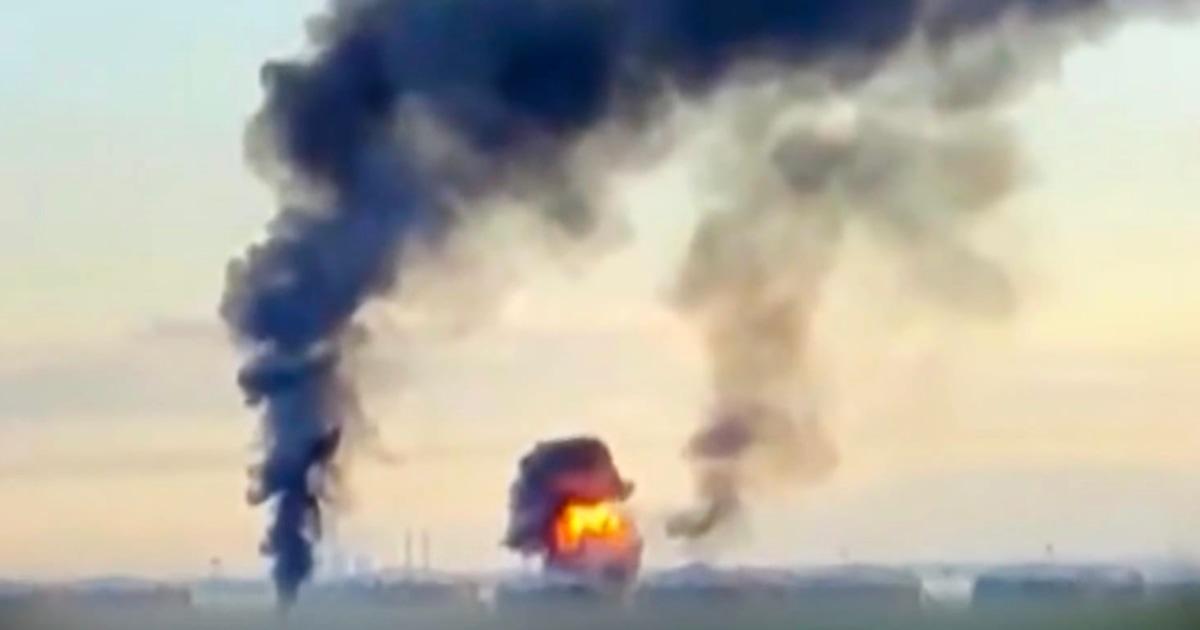
Ukraine Drone Attacks Kill At Least Eight In Russian-Controlled Donetsk Region
35 sources compared