
Washington Reevaluates Military Footprint After Tehran Strikes, Pentagon Lacks Damage Estimate
Key Takeaways
- Gulf states reevaluating security alliances amid Iran-related tensions.
- War prompts discussion of a possible redraw of Middle East alliances.
- Regional diplomacy intensifies as leaders discuss security postures and alliances.
Pentagon budget and damage
Washington is reevaluating its military footprint after Tehran’s strikes, while the Pentagon said it does not yet have a final figure for the extent of damage to its bases and facilities in the Middle East resulting from the war with Iran, which lasted about 40 days.
“The Pentagon said it does not yet have a final figure for the extent of damage to its bases and facilities in the Middle East resulting from the war with Iran, which lasted about 40 days”
During a press conference at the department regarding next year’s budget, Jules W. Hearst III — who is performing the duties of the Department of Defense Comptroller — explained that funding to repair facilities at the military bases in the Middle East is not included in the 2027 request.

Hearst attributed the matter to Washington’s assessment of its military posture in the Middle East and said, "We need to ensure we understand what we want to build in the future."
He also said the department may change the way it builds bases in the Middle East based on this conflict, noting that repairing damaged bases will be part of a future request.
On the question of damage estimates, Hearst said, "We do not have an exact estimate of what rebuilding these facilities would require, nor a final figure for the extent of damage to our overseas facilities."
He added, "The matter depends on how we rebuild them, or whether we will rebuild them at all, and our partners may contribute part of the cost of this construction."
The Pentagon unveiled its proposed 2027 budget of $1.5 trillion, a 42% increase, the largest ever.
Strikes, interceptions, and casualties
The Pentagon’s uncertainty about damage is set against a detailed account of what the strikes did and what the United States says it stopped.
The Al-Jazeera Net report says Iran had announced during the war intensified attacks with drones and missiles on American forces and facilities in the Middle East, and that seventeen American sites were damaged.
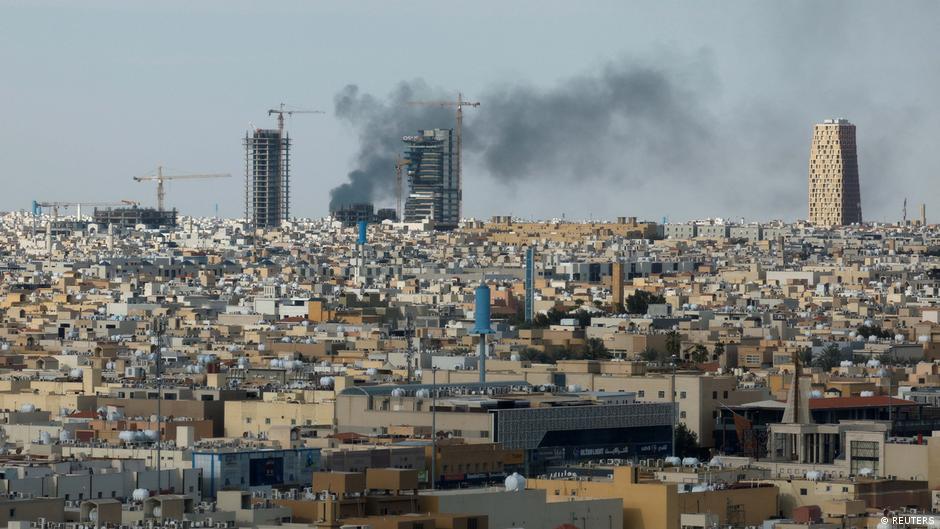
It adds that on March 11, a New York Times analysis of satellite imagery found that at least 17 American sites in the Middle East suffered substantial damage due to the strikes.
The report says the Times relied on high-quality images obtained from satellite companies, corroborated videos from social media, and official statements from both the American and Iranian sides.
It also states that American military officials told the paper that the intensity of the retaliatory strikes launched by Tehran indicated it was more prepared for war than many in the Trump administration had expected.
According to American military officials, Washington and its regional allies intercepted most of the Iranian attacks, but some missiles and drones made their way to strike at least 11 American bases or facilities, about half of the total American sites and facilities in the region.
The report lists among the American interests affected by the Iranian strikes communications and air defense facilities and diplomatic offices, and says the U.S. embassy in Baghdad was also hit by a missile strike.
It concludes by citing that last Monday, Pentagon data showed 13 American service members killed and 415 wounded in the war against Iran.
Egypt’s mediation push
As Washington weighs future base repairs and construction, Egypt has intensified diplomatic efforts to prevent a new war between the United States and Israel over Iran, according to a separate report.
“Will the war with Iran redraw the map of alliances in the Middle East”
The Al-Arabi Al-Jadeed analysis cited by the Arabic-language outlet says that with the ongoing stalemate in Iran's nuclear talks and rising military activity, Egypt has intensified its diplomatic efforts at the regional and international levels.
It says that in recent days, Badr Abdel Aty, Egypt's foreign minister, held a series of telephone calls and intensive meetings with his counterparts in Iran, Qatar, Oman, Saudi Arabia, the United Arab Emirates, as well as Steve Whitkaf, the U.S. special envoy.
The report says these talks focused on de-escalation and on creating favorable conditions for resuming Tehran–Washington negotiations, thereby paving the way for a coordinated regional effort toward diplomatic solutions.
The moves intensified after a significant phone call on January 31 between Egyptian President Abdel Fattah el-Sisi and Iranian President Massoud Pezeshkian.
It adds that in that conversation, "Mr. Sisi, in that conversation, stressed that Cairo rejects a military option to resolve the dispute between Washington and Tehran and called for dialogue and peaceful solutions to prevent further instability in the region."
A former ambassador and former assistant foreign minister of Egypt, Rokha Ahmed, is quoted saying Egypt and other Arab countries are intensifying diplomatic efforts to avert a fresh war because they know such a war would have devastating consequences for the region.
The report also says analysts say Arab capitals conveyed these concerns directly to Donald Trump, the U.S. president, and warned about the risk of a military escalation.
Gulf states reassess alliances
The diplomatic push in Cairo sits alongside a broader reassessment by Gulf states of their security alliances, as DW describes.
The report says the Saudi Ministry of Foreign Affairs does not reveal exactly what the Gulf's political elites discuss, but that it posts on the X social media platform a list of the numerous conversations the Saudi leadership, especially Crown Prince Mohammed bin Salman, conducts with political leaders in Gulf countries.
DW says analyses, reports, and commentary from media and think tanks around the world suggest the discussions revolve around two issues: how to deal with Iran, which has been attacking the Gulf states for more than two weeks, and the future relationship with the United States, which many Gulf states see as having sparked, in cooperation with Israel, a war that these states did not want.
DW quotes Prince Turki al-Faisal, former head of Saudi intelligence, telling CNN in early March: 'This is Netanyahu's war. And clearly he somehow convinced the President (Trump) to support his viewpoint.'
It also describes disappointment in Washington, saying Gulf states feel that American promises to protect the Gulf are hollow, or at least rely on far less than was hoped, due to the Saudi and even American military's inability to intercept many missiles launched from Iran.
The report says the lesson for Gulf rulers is that American military bases on their soil do not automatically guarantee their protection, but can make them targets of Iranian attacks.
It further says that in early March, the Associated Press reported, citing two anonymized Gulf-state representatives, that Washington ignored warnings of potentially serious consequences.
DW also quotes political scientist Bruno Schmidt-Fuerherd at Oxford University saying, "At first, Israel—and partly the United States—were blamed for the escalation." and adds that he said the Iranian attacks were understood as a breach of cautious rapprochement efforts, with frustration primarily due to external actors.
The report closes by quoting Schmidt-Fuerherd on the longer-term debate, saying, 'I expect a stocktaking and reevaluation after the war.'
Regional war fears and stakes
Multiple outlets frame the stakes of the Iran conflict in terms of regional escalation, alliance shifts, and economic disruption.
“The Pentagon said it does not yet have a final figure for the extent of damage to its bases and facilities in the Middle East resulting from the war with Iran, which lasted about 40 days”
I24NEWS says the ongoing military escalation and Iran expanding the scope of its attacks to include sites and bases linked to the United States in several countries in the region has pushed many regional capitals to reassess their security postures, amid fears of the confrontation widening and turning into an open regional conflict.
It says analysts believe the ongoing war could create a new political reality in the Gulf and the Middle East, especially after some regional states were subjected to Iranian attacks that targeted—according to the Iranian narrative—sites housing bases or American military facilities.
I24NEWS also describes a debate about the effectiveness of the American security umbrella, saying this reality brought back to the surface an old debate in some Gulf capitals about diversifying defensive alliances and not relying entirely on the security partnership with Washington.
It adds that analysts raise questions about the effectiveness of the American security umbrella in the region, especially after sites near American bases came under rocket or drone attacks, and it lists regional countries such as Saudi Arabia, Qatar, the United Arab Emirates, Bahrain, Iraq, and Jordan as closely monitoring developments.
DW similarly emphasizes that American bases can become targets, stating that American military bases on their soil do not automatically guarantee their protection, but can make them targets of Iranian attacks.
The Al-Arabi Al-Jadeed analysis cited by سـایت ملیون ایران adds an economic dimension, saying the Iran-backed Houthi rebels in Yemen warned that, should the United States take military action against Iran, they would resume attacks on commercial shipping in the Red Sea.
It says Suez Canal revenues during the peak of the disruptions fell by more than 60 percent, and that this vital foreign exchange source took a hit at a time when Egypt’s economy was still grappling with the effects of the COVID-19 pandemic, shocks from the Ukraine war, and debt pressures.
The same report warns that any resumption of attacks in the Red Sea could halt the gradual recovery of maritime traffic through the Suez Canal and again plunge Egypt's revenues, while also warning that a decisive failure of Iran in any hypothetical war or its removal from the regional balance of power could significantly shift the trajectory of the region.
More on Iran
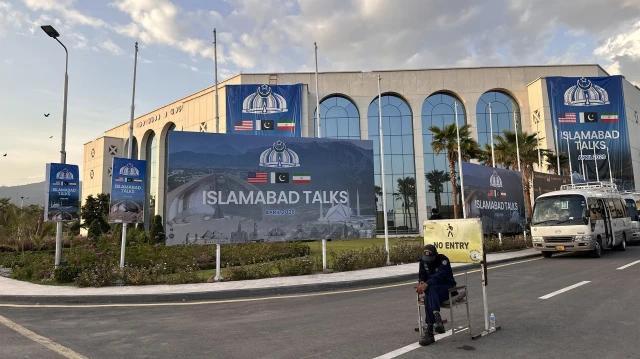
Donald Trump Extends Iran Ceasefire Indefinitely, Keeps U.S. Blockade in Strait of Hormuz
18 sources compared
Donald Trump Extends U.S. Ceasefire With Iran, Orders Naval Blockade to Continue
15 sources compared
Donald Trump Extends U.S. Ceasefire With Iran, Keeps Blockade of Iranian Ports
12 sources compared
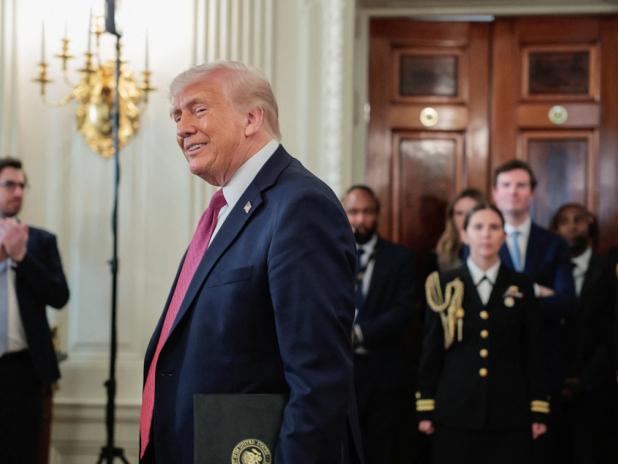
Donald Trump Extends Ceasefire With Iran Indefinitely, Maintains Blockade of Iranian Ports
13 sources compared