
Washington's 15-Point Plan Demands Iran End Nuclear Program, Limit Missiles, Accept Maritime Restrictions
Key Takeaways
- The U.S. circulated a 15-point plan to Iran via Pakistan mediators.
- Iran formally rejected the plan and offered its own terms to end the war.
- Steve Witkoff confirmed the plan was conveyed to Iran, signaling formal diplomacy.
Tehran responds to 15-point plan
Tehran formally answered Washington's 15-point peace plan, signaling a hardening stance rather than immediate diplomatic progress.
“Trump denies he's 'desperate' to make deal with Iran, insists Tehran is 'begging' for one Trump also revealed the "present" from Iran related to the Strait of Hormuz”
The Iranian response was framed through its semi-official channels as a formal reply to the proposal, with Tasnim reporting that Iran had sent an official response and was awaiting Washington's reply; Tehran simultaneously invoked its own framing of the Strait of Hormuz as a natural and legal right, a sign that it sees the file as non-negotiable on core sovereignty questions.

Western outlets highlighted that Tehran’s reply underscored the absence of a simple path to direct talks, and that Tehran’s terms would likely outlive the initial diplomatic fanfare, with the New York Times noting demands tied to reparations and Hormuz control.
Iran’s posture was reinforced by reports that Iran reviewed the 15-point plan through intermediaries and judged it unilateral and unacceptable, with discussions continuing only on Tehran’s terms.
Iran International summarized Tehran’s stance as rejecting the plan while signaling openness to mediated channels that respect Iran’s redlines.
15-point plan components
The 15-point plan envisions a bundle of concessions aimed at ending the war and reordering Iran’s nuclear and regional posture.
The New York Times framed the core demands as a push for a complete termination of Iran’s nuclear program and strict limits on its missile arsenal.

Al Jazeera highlighted that the plan addressed Iran’s ballistic missile and nuclear programs as well as maritime routes.
VOI spelled out explicit content: Iran must not possess nuclear weapons, must not enrich uranium, and must give up upgraded uranium enrichment.
The Guardian emphasized Tehran’s own five-point proposal including reparations and Hormuz sovereignty, signaling a broader package rather than a single concession.
Iran’s terms and stance
Iran’s reply specifics show a disciplined, hardline stance: Iran’s own terms counter the U.S. package by insisting on conditions that would keep leverage over Hormuz and reparations in play.
“Tehran has formally responded to Washington’s 15-point plan to end the US-Israel war on Iran, asserting its “natural and legal right” over the Strait of Hormuz, as US President Donald Trump claimed it was “begging to make a deal””
Tasnim quoted an official narrative that Iran’s response included demands to end aggressive acts that decapitated Iran’s leadership and to secure compensation and war reparations, alongside guarantees that ‘war does not recur’ and an end to hostilities from all resistance groups.
The Guardian notes a five-point plan centering reparations and Hormuz sovereignty as prerequisites, while Arab News quotes the Iranian Foreign Minister asserting that mediator-mediated talks do not count as negotiations.
Iran International and VOI report that Iran viewed the plan as unilateral and unacceptable, signaling no immediate path to direct talks while mediated channels may continue under Iran’s terms.
Implications & outlook
Washington’s attempt to use a formal 15-point plan as a lever for diplomacy runs into Tehran’s insistence on reparations, Hormuz sovereignty, and a staged pathway away from direct negotiations.
Pakistan and other mediators are handling channels, while Tehran and Washington stake out hard redlines, signaling a potential prolonged standoff in West Asia.

AP News notes indirect talks are ongoing, with Pakistan publicizing that the 15 points were being deliberated by Iran, illustrating the fragility of any 'deal' in the near term.
The BBC cites concerns about two off-ramps coexisting, highlighting uncertainty about a coherent exit strategy from Trump’s broader war aims.
CNBC and NPR point to market and energy-security implications, with oil prices reacting to the prospect of peacetime flow through Hormuz and the risk of broader conflict.
More on Iran
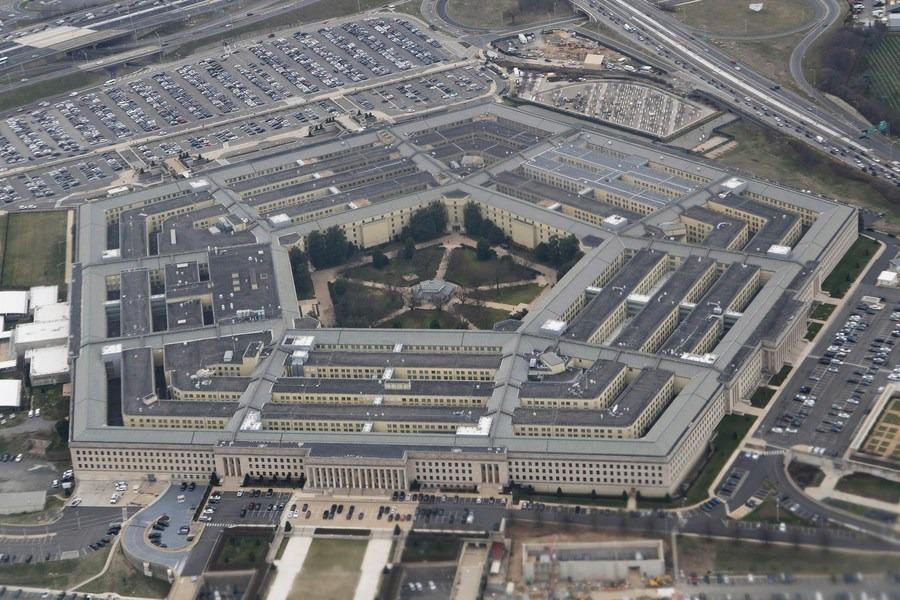
Pentagon Weighs Deploying Up to 10,000 Troops Near Kharg Island, Iran
12 sources compared
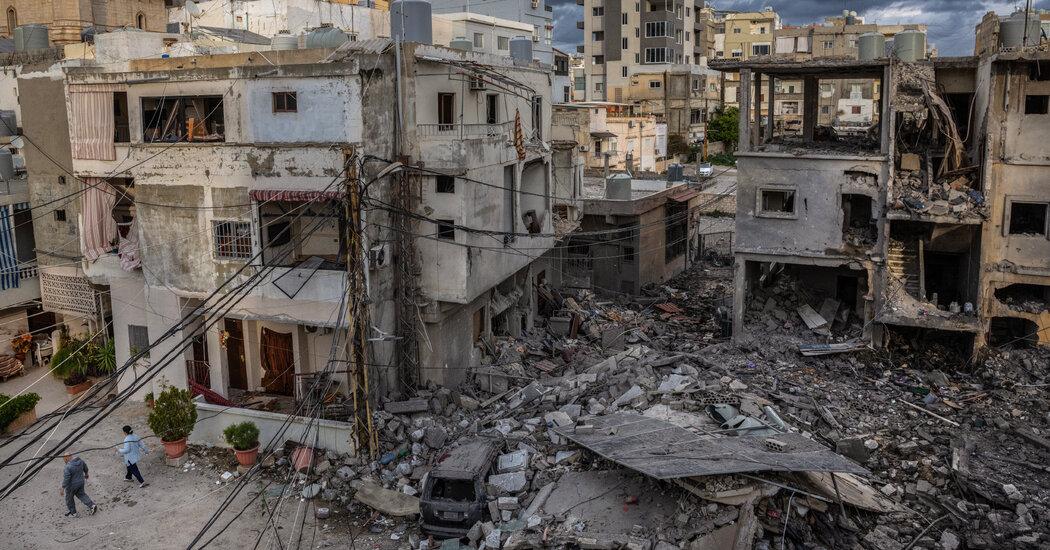
Trump Extends Deadline to April 6, Circulates 15-Point List Demanding Iran Reopen Strait of Hormuz
10 sources compared
Pentagon Weighs Deploying Up To 10,000 Troops And Ground Operations Inside Iran
14 sources compared
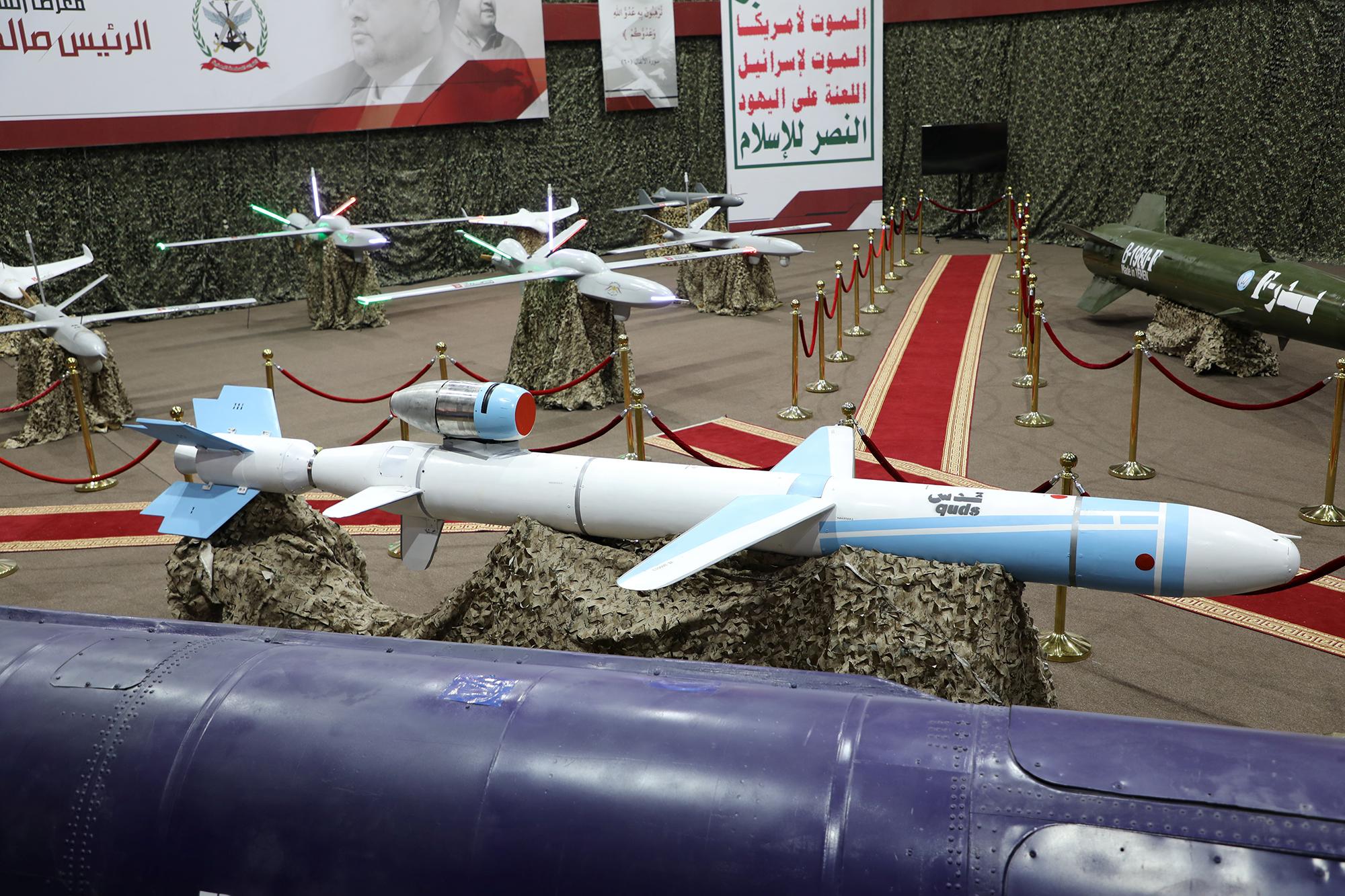
Trump Threatens Ground Invasion, Houthis Pledge Bab Al-Mandeb Offensive
10 sources compared