
White House cancels Mark Twain Prize for Bill Maher, Trump’s turncoat friend
Key Takeaways
- Kennedy Center reportedly offered Maher the prize, per CNN and Daily Mail.
- White House publicly denied Maher would receive the prize.
- White House intervention appeared to reverse the offer, with reports of cancellation.
Award Selection Blocked
The White House has intervened to block controversial comedian Bill Maher from receiving the prestigious Mark Twain Prize for American Humor.
“The White House has denied that TV host and comedian Bill Maher will receive the prestigious Mark Twain Prize for American Humor, even though two sources close to the Kennedy Center told CNN he had been offered the honor”
According to multiple reports, Maher had been selected by the Kennedy Center's honors committee to receive this year's award.

However, when news of Maher's alleged selection broke, the White House swiftly responded with a firm denial.
White House Press Secretary Karoline Leavitt issued a direct statement rejecting the reports.
Communications Director Steven Cheung also weighed in on social media, dismissing the story as 'Literally FAKE NEWS.'
The intervention came just hours after The Atlantic and CNN reported that Maher had been chosen for the award.
Award Process Details
The Kennedy Center's honors committee had reportedly selected Maher for the Mark Twain Prize.
Multiple sources confirmed the selection process was underway.
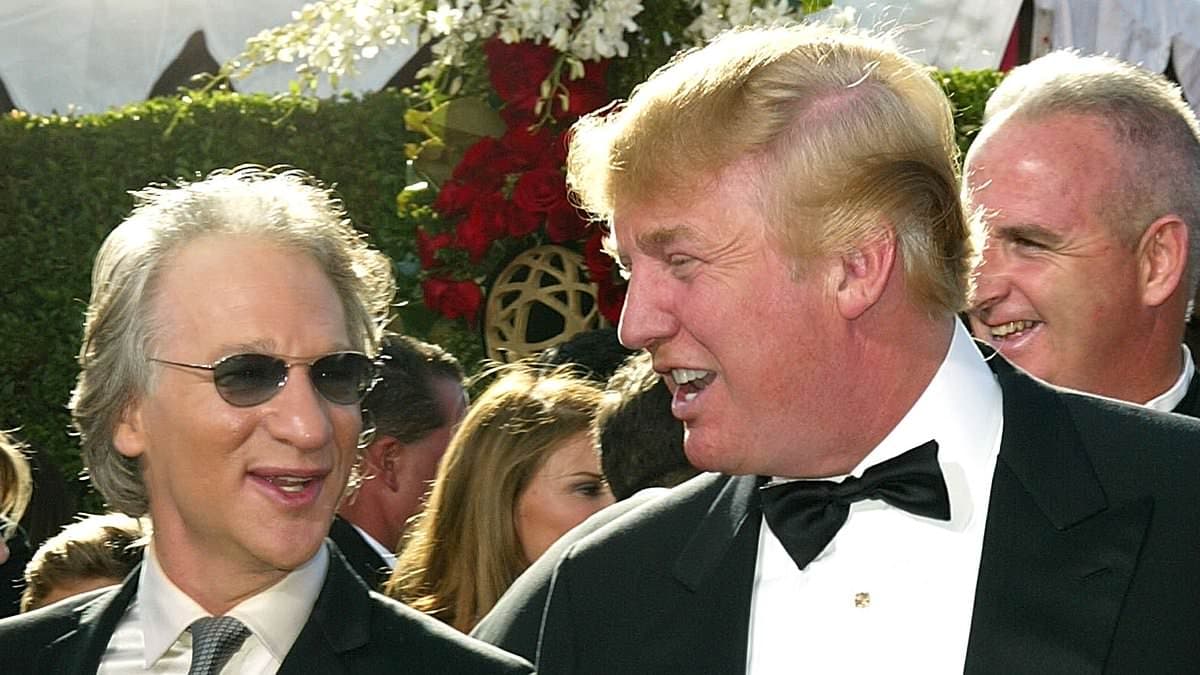
The award has a long history of honoring top names in comedy including Steve Martin, Tina Fey, Billy Crystal, Jon Stewart and Adam Sandler.
According to The Atlantic, sources familiar with the process confirmed that Maher was chosen.
The institution had not officially announced the recipient.
CNN cited sources who said he had been offered the honor.
The timing is significant as it would be the final honoree before the Kennedy Center's renovation.
This makes it a potentially historic final award before the institution's transformation.
Trump-Maher Relationship
The intervention represents the latest chapter in the complex relationship between Donald Trump and Bill Maher.
“Trump’s White House wasted no time shutting down reports that his one-time dinner guest, Bill Maher, would be getting the most prestigious award a comedian can receive”
The relationship is marked by both public feuds and surprising overtures.
Maher has been a vocal critic of President Donald Trump's policies on his HBO program.
This makes him a frequent target of Trump's ire.
The relationship took an unexpected turn when they had dinner together in 2025 at the White House.
Despite this apparent outreach, Trump has continued to attack Maher.
Trump posted seven articles critical of Maher to his Truth Social platform.
Trump also called Maher a 'highly overrated LIGHTWEIGHT' just last month.
The White House's intervention suggests Maher's criticism remains unacceptable to the administration.
Political Implications
The White House's intervention has significant implications for the Kennedy Center.
The Kennedy Center now bears Trump's name on its facade.
The president has sought to remake the arts institution in his image.
This year's award gala will be the last before a two-year renovation.
The timing is particularly sensitive.
The Daily Beast reported that the White House 'called the Kennedy Center and made clear that Maher would not receive the prize.'
This indicates direct administrative interference.
The situation raises questions about artistic independence and political influence.
The administration appears willing to intervene based on political alignment rather than comedic merit.
More on Entertainment
BTS return to stage for first full-group concert in four years, largest-ever in South Korea.
25 sources compared

Chuck Norris Dies at 86
104 sources compared
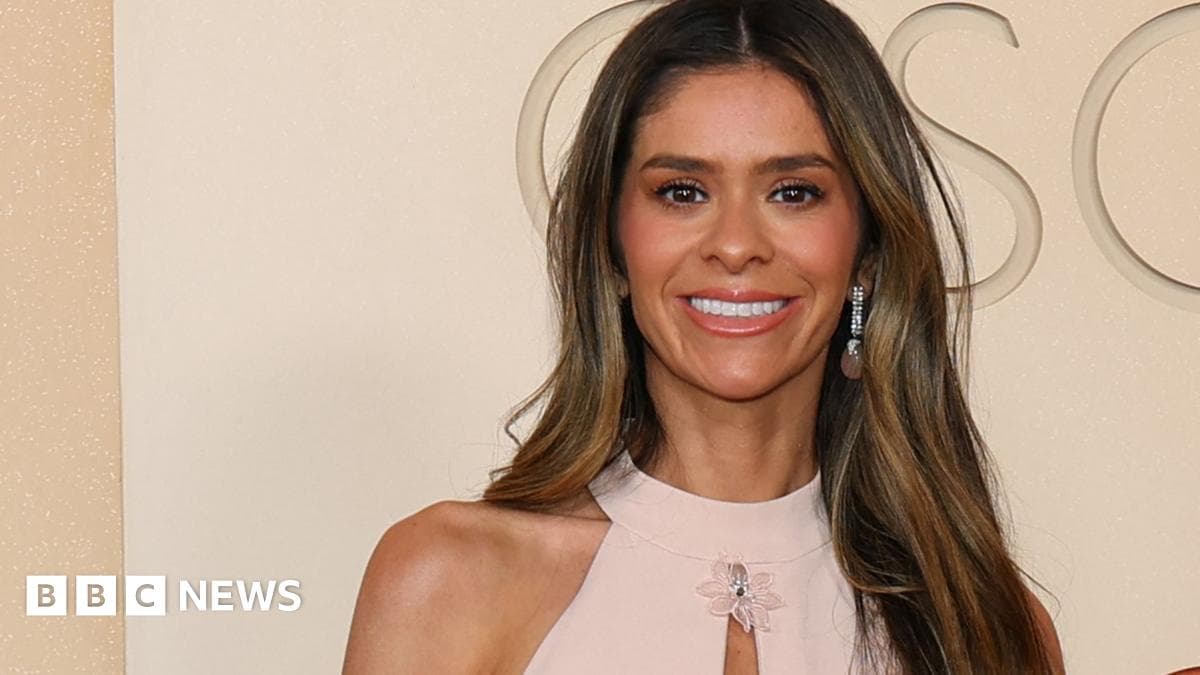
ABC cancels The Bachelorette season over Taylor Frankie Paul domestic abuse allegations
11 sources compared

Tom Holland Loses Spider-Man Powers in Spider-Man: Brand New Day Trailer
16 sources compared