USA12 March, 20262 min read
White House Demands ABC Retract Report Claiming Iran Sought To Launch Drone Attacks On California
This article is an automated aggregation of coverage from news outlets. Our editorials offer in-depth analysis curated by the NewsCord team.
FBI warned California law enforcement of alleged Iranian plan to launch drones from a vessel White House demanded ABC retract its report, calling the drone threat unverified and overstated

Report and dispute overview
ABC News published a report, based on an FBI bulletin obtained by the network, alleging that Iran had “allegedly sought to carry out a surprise attack using unmanned aerial vehicles from an unidentified vessel off the U.S. coast” targeting “unspecified targets in California” if the United States struck Iran; the White House has sharply contested the story, saying it relied on a single unverified tip and demanding a retraction.
“The White House is demanding that ABC News retract a report warning that Iran sought to launch drone attacks on California, saying the story relied on a single unverified tip and overstated the threat.”
(Sources disagree on details and credibility.)
White House reaction
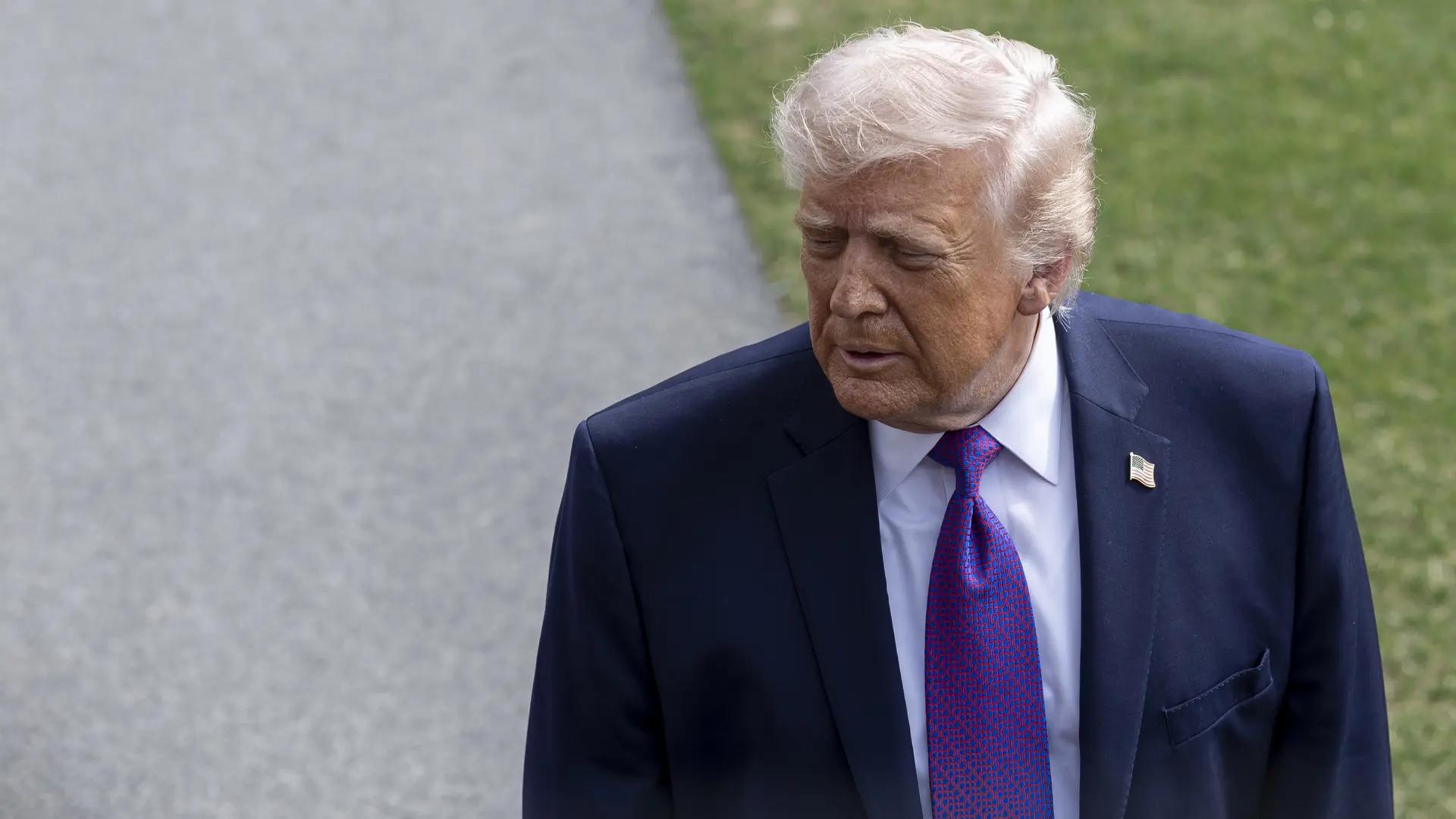
White House press secretary Karoline Leavitt publicly denounced the ABC News piece on social media, demanding an immediate retraction and asserting the report omitted that the FBI alert was based on an “unverified” single lead. She also stated categorically that “there is no such threat to our homeland, and there never was.” The administration’s tone framed the bulletin as unreliable and argued the network “intentionally” alarmed the public.
Advisory’s uncertainty
The bulletin itself, as described across outlets, was vague on operational specifics and included language that qualified the information as unverified. Several reports note that the memo said there was no additional information on timing, method, target, or perpetrators, and that some officials described the tip as not presently credible. Media coverage therefore presents the advisory as an intelligence lead requiring verification rather than a confirmed plot.
“‘We do not have additional information on the timing, method, target, or perpetrators of this alleged attack,’ it adds.”
Political and state response
Lawmakers and state officials pressed for more transparency after the report surfaced: three Democratic members of Congress held a press conference demanding briefings and criticizing the administration for informing them via the press. California officials said they had been alerted and were coordinating with federal authorities but emphasized there was no imminent threat. Democrats also used the moment to raise broader concerns about resourcing for counterterrorism and cyber defenses.
Context and caveats
The reporting and reactions sit against a wider backdrop of escalating U.S.-Iran tensions and broader regional conflict, which outlets note has prompted heightened alerts and surveillance. At the same time several outlets caution that the memorandum does not establish an imminent attack and that the intelligence was characterized as unverified. The coverage therefore mixes alarm about potential retaliatory concepts with repeated caveats about the lead’s credibility.
“The warning came just as the United States and Israel began attacking Iran in a war that has spread across the Middle East region with no sign of ending.”