Technology and Science · 06 May, 2026 · 2 min read
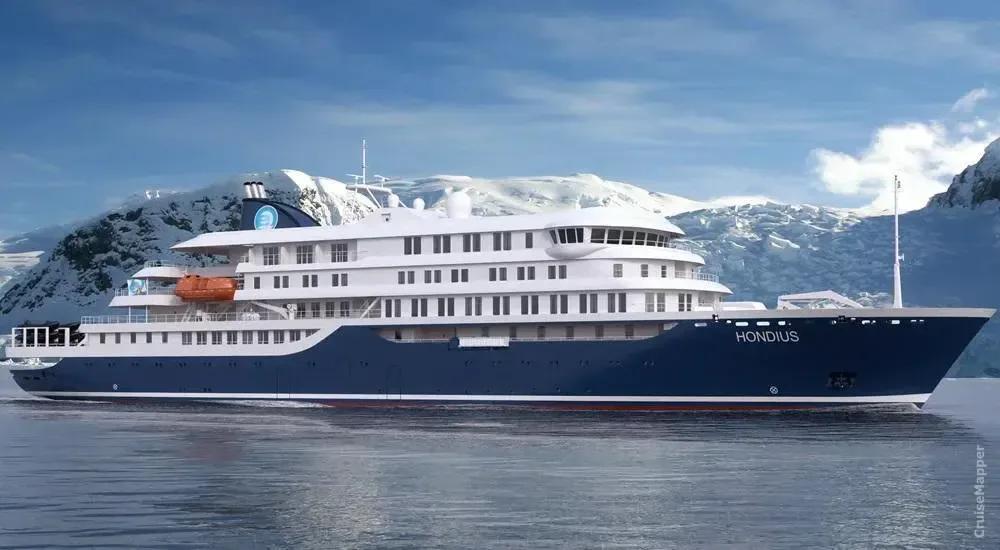
WHO Confirms Andes Hantavirus Strain in MV Hondius Passengers, With Possible Human-To-Human Spread
Andes hantavirus strain capable of human-to-human transmission detected in two passengers. South Africa confirmed two Andes-strain cases linked to the MV Hondius outbreak.
Whether the outbreak is already a confirmed person-to-person chain.
10 of 12 outlets skipped it: canary Islands officials oppose docking at Tenerife.
13outlets compared
Same story, two versions
tap a side to read it in full
NBC News
““Our assumption is they were infected off the boat and then joined the cruise,” Maria Van Kerkhove”Read the original ↗
One stresses uncertainty about origins; the other emphasizes implications after strain confirmation.
Andes strain confirmed
Health authorities have identified the Andes strain of hantavirus in passengers linked to the MV Hondius outbreak, with the World Health Organization confirming the outbreak is caused by the Andes strain. Maria Van Kerkhove, an American epidemiologist and technical adviser to the WHO, said at a news briefing early Tuesday, “However, we do believe that there may be some human-to-human transmission that’s happening among the really close contacts, the husband and wife, people who’ve shared cabins, etc.” The cruise ship began its voyage in Argentina, and the WHO said of nearly 150 passengers on board there have been eight cases, with three confirmed through lab testing. Three people have died, and a British man is in intensive care in South Africa, while three people are reporting mild symptoms, according to the WHO.
“On Wednesday the WHO confirmed that the outbreak is caused by the Andes strain of the virus”
Evacuations and tracing
As the WHO confirmed the Andes strain in passengers removed from the ship and flown to South Africa, it also reported that three people with suspected hantavirus were evacuated from the vessel and were on their way to the Netherlands. Tedros Adhanom Ghebreyesus, the WHO director general, posted on X that “Three suspected hantavirus case patients have just been evacuated from the ship and are on their way to receive medical care in the Netherlands.” South Africa’s Health Minister Aaron Motsoaledi told parliament that preliminary tests identified the Andes strain in a passenger transferred to Johannesburg from Saint Helena, and he said, “We need to know who were the people who were in contact with this lady.” Health officials said contact tracing was underway, with 62 contacts identified including flight crew and healthcare workers, and the contacts would be monitored until an incubation period had passed. The outbreak has left the ship waiting offshore near Cape Verde, while passengers were isolated in their respective cabins to limit exposure.
What happens next
With the Andes strain confirmed as the only type linked to human-to-human transmission, authorities said the focus is on monitoring close contacts and preventing further spread while the MV Hondius prepares to continue its route. The BBC said passengers are currently confined to their cabins to limit exposure, and it described the WHO’s working assumption that the virus could be spreading through very close contact on the ship. BThe BBC also said the incubation period can range from one to eight weeks for symptoms to appear, meaning additional cases could develop after exposure. BIn parallel, the Canary Islands’ regional government opposed docking, with Fernando Clavijo saying, “This decision is not based on any technical criteria, and there is insufficient information to reassure the public or guarantee their safety,” and he requested an urgent meeting with Spanish Prime Minister Pedro Sánchez. The stakes, as framed by the sources, are whether limited person-to-person transmission is occurring in the ship’s confined environment and whether monitoring and evacuation can keep the risk from expanding beyond the vessel.
“Passengers are currently confined to their cabins to limit exposure, so that will help.”