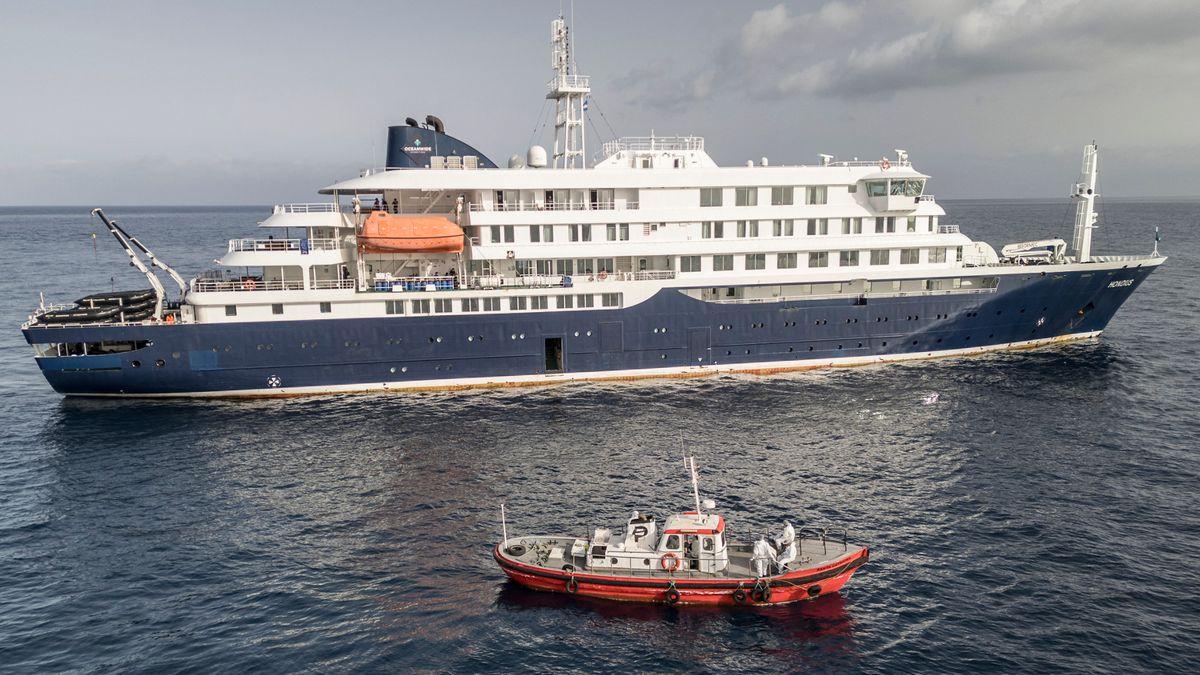
WHO Director-General Tedros Adhanom Ghebreyesus Oversees MV Hondius Hantavirus Evacuation in Tenerife
Key Takeaways
- Tedros Adhanom Ghebreyesus arrived in Tenerife to personally oversee Hondius evacuation.
- Spain plans evacuations of over 140 Hondius passengers and crew off Tenerife on Sunday.
- United States will charter a flight to repatriate Americans aboard Hondius, coordinating with CDC.
Hondius Evacuation Begins
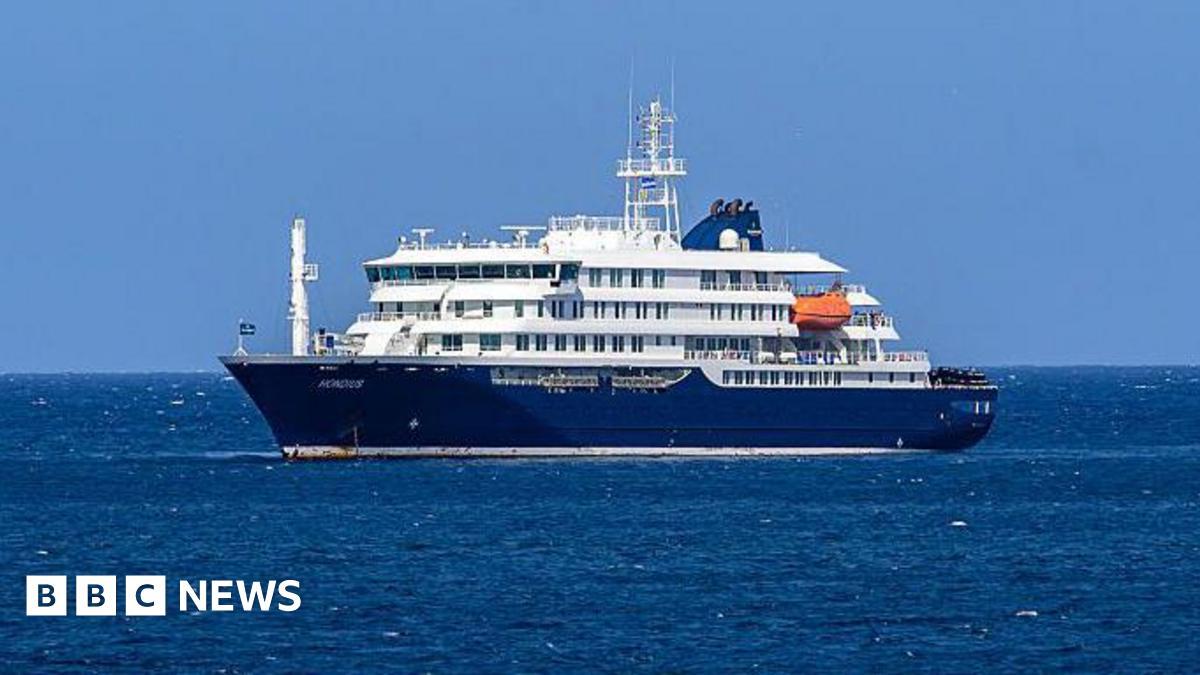
Spanish authorities and international services prepared an urgent evacuation of passengers from the Dutch-flagged cruise ship MV Hondius after a hantavirus outbreak was detected aboard, with the vessel expected to reach the port of Granadilla, Tenerife in the coming hours.
“The cruise ship affected by a hantavirus outbreak is due to arrive on Sunday morning in the Canary Islands, between 4:00 and 6:00, to allow the evacuation of passengers as part of an exceptional health operation organized by the Spanish authorities”
The World Health Organization Director-General Dr. Tedros Adhanom Ghebreyesus arrived in Tenerife Saturday to oversee the evacuation of more than 100 people, and he told the Canary Islands, "This disease is not COVID."
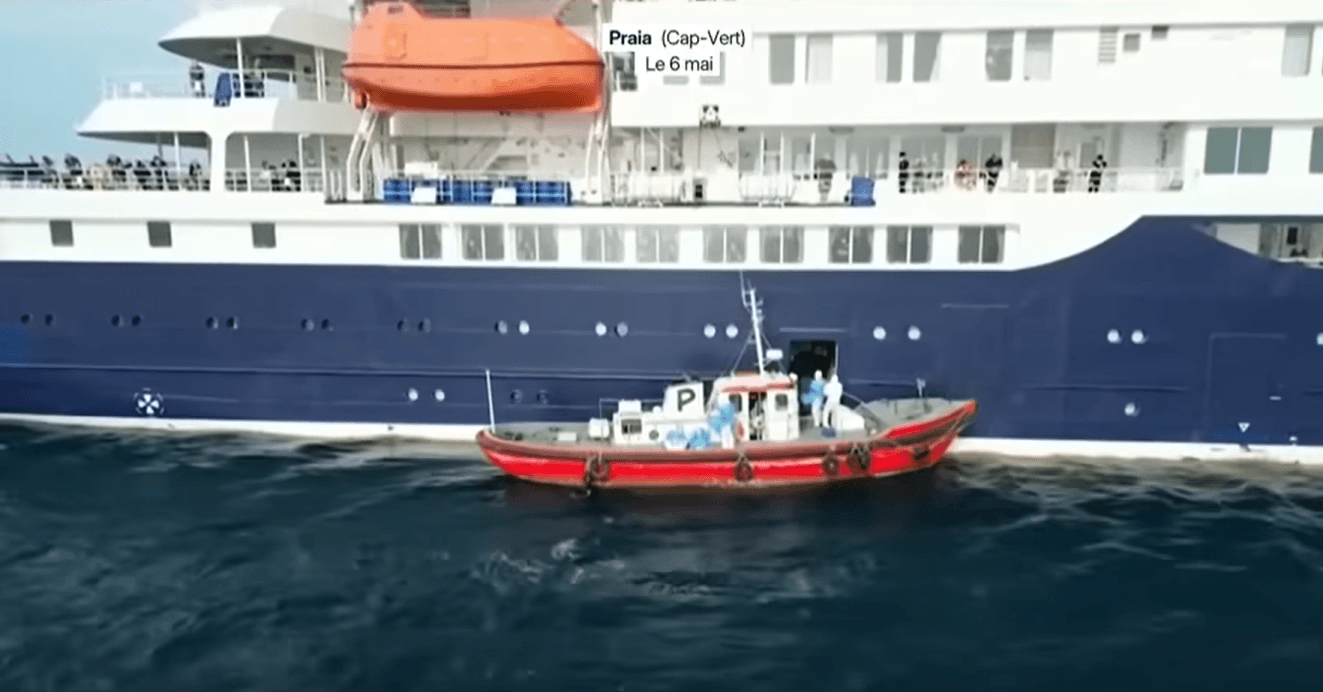
Tedros said the risk to the local population is low, while CBS News reported that eight people on the ship had died and three people have died, according to the WHO, and that none of the 147 people currently on board, including 60 crew members, are symptomatic.
The evacuation plan described by russpain included taking Americans ashore in small groups on inflatable boats, with U.S. specialists from the CDC conducting individual risk assessments and accompanying them to a waiting plane for return to the United States.
In the same operation, Spanish passengers were to be hospitalized in a military hospital for a compulsory PCR test and a week of observation in isolated rooms, with all transfers using restricted routes without contact with port or airport personnel.
Quarantine, Flights, and Timing
The WHO said it was recommending each country keep passengers removed from the ship in isolation for 42 days from the last point of exposure to the virus, while Forbes reported that after U.S. passengers are assessed at the National Quarantine Unit in Nebraska they can isolate at the unit or return home for the next 42 days.
Forbes also described that passengers would be transported to the island's airport in sealed and guarded vehicles on Sunday, and that those not ready for their destination airplane would remain on the ship.
In Nebraska, the plan described by CBS News was for the plane provided by the U.S. government, with oversight from the Centers for Disease Control and Prevention, to take the Americans to the National Quarantine Center at the University of Nebraska, Omaha.
The Guardian warned the evacuation could face delays if it was not completed within 24 hours of the vessel reaching Tenerife on Sunday, citing a limited window of opportunity around 12 o'clock on Sunday morning until conditions change from Monday.
The Guardian said passengers would be evaluated on the ship and taken without contact with the local population, and that non-Spanish citizens who did not need urgent medical attention would be evacuated to their home countries even if they showed symptoms.
Public Risk and Monitoring
WHO officials repeatedly emphasized that hantavirus risk to the wider public remains low, with Christian Lindmeier telling a press briefing in Geneva, "The risk remains absolutely low," and "This is not a new COVID."
“World Health Organization Director-General Dr”
NPR and PBS both described that hantavirus is usually spread by inhalation of contaminated rodent droppings and is not easily transmitted between people, while the Andes virus implicated in the outbreak may spread between people in rare cases.
NPR reported that Spanish passengers said they were worried about how people would treat them in Spain and once home, quoting one as saying, "We’re scared by all the news that’s coming out, by how people are going to receive us, by how people see us."
The Guardian said the operation was coordinated from Spain with the World Health Organization entrusting Spain with an "unprecedented operation" to receive, assess and repatriate the 149 passengers and crew members onboard.
Across multiple countries, health authorities continued tracking and monitoring passengers who disembarked before the outbreak was detected, including the report that on April 24 more than two dozen people from at least 12 different countries left the ship without contact tracing.
More on Technology and Science

UK Transfers MV Hondius Passengers to Arrowe Park Hospital Isolation Facility in Merseyside
13 sources compared

California Attorney General Rob Bonta Secures $12.75 Million GM Settlement Over Driver Data Sales
10 sources compared

Tedros Adhanom Ghebreyesus Reassures Tenerife Residents as MV Hondius Arrives With Hantavirus
13 sources compared

Meta Discontinues End-To-End Encryption for Instagram DMs Globally From May 8, 2026
15 sources compared