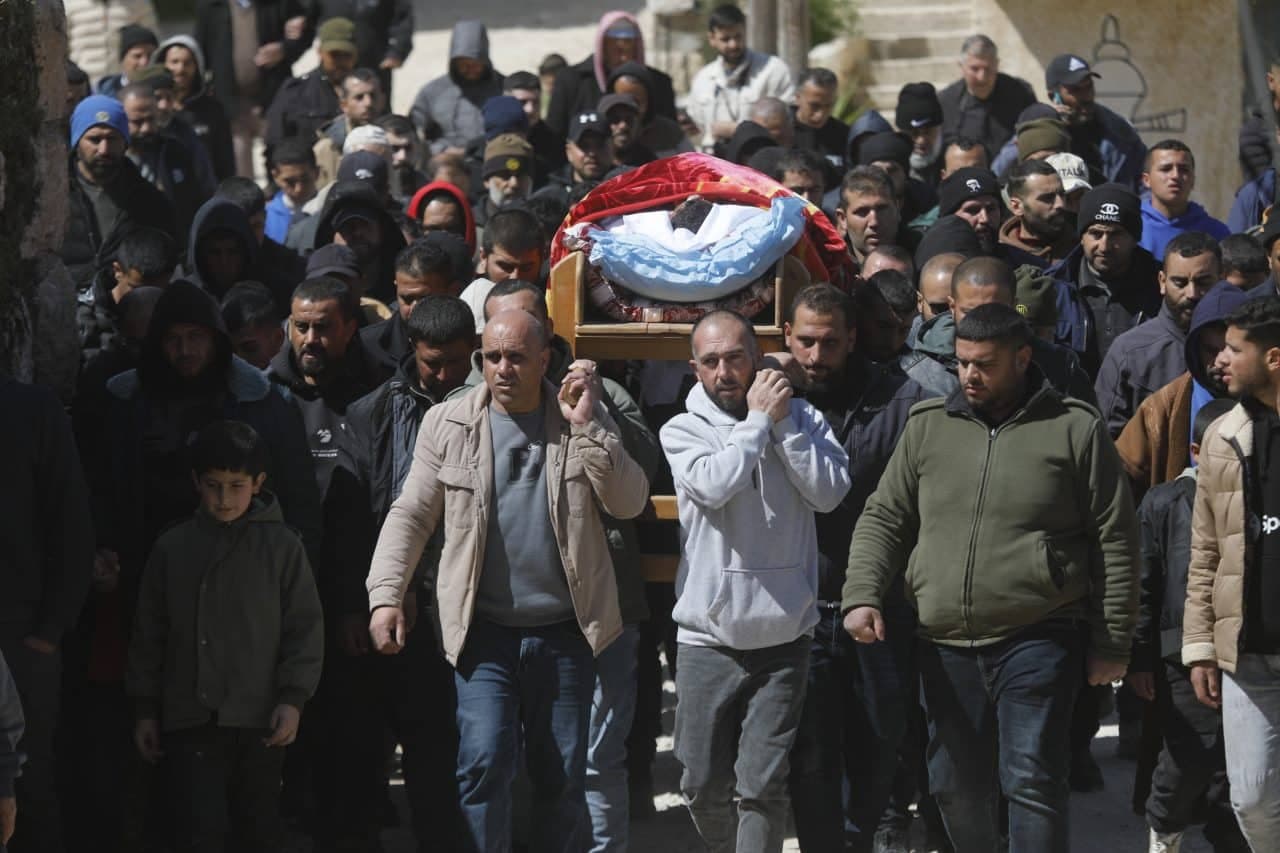
Why is Israel trying to cause an ‘explosion’ in the West Bank?
Key Takeaways
- Israel has accelerated a crackdown on the West Bank over the past two years.
- Palestinians say closures and land seizures have strangled daily life and are 'irreversible'.
- The current crackdown contradicts Israel's longstanding policy of avoiding 'friction' in the West Bank.
Broken conventions, Ramadan crackdown
Israel’s accelerating crackdown on the West Bank over the past two years has reached the point of feeling like the new normal, with Palestinians saying that the strangulation of their daily lives is here to stay and many describing the regime of closures and land seizures as “irreversible.”
“Israel’s accelerating crackdown on the West Bank over the past two years has reached the point of feeling like the new normal”
This crackdown departs from the longstanding Israeli policy of avoiding “friction” in the West Bank to prevent an “explosion” among Palestinians, a dominant approach until October 7, 2023.
In late February of this year Israeli army and security branches warned the Israeli government of a possible escalation in Palestinian “violence” in the West Bank ahead of Ramadan, but Israel broke convention by allowing only 10,000 permits for Palestinians to visit al-Aqsa during Ramadan, restricted to children under 12, men over 55, and women over 50, and then revoked all Ramadan-related permits once the U.S.-Israeli war on Iran started.
These measures followed mass settler provocations: settlers stormed the al-Aqsa compound 24 times during February, with thousands of Israelis taking part in Jewish religious rituals in violation of the accepted status quo at the site, provocations that previously produced wide protests such as the 2021 “Unity Intifada.”
“Decisive” plan, irreversible facts
Palestinian historian Bilal Shalash argues Israel has entered a phase aimed at bringing its conflicts to a “decisive end,” and that the West Bank is a theatre where Israel seeks to clear the deck in parallel with aggression in Iran and Lebanon.
Shalash says this marks a break from the past doctrine of limited periodic crackdowns—what Israeli officials called “mowing the lawn”—and that the current intensified repression attempts to create demographic and geographic realities that are irreversible.
Those irreversible facts, Shalash explains, include the displacement of thousands of Palestinians, sometimes erasing communities in their entirety, de facto annexing large parts of the West Bank, and cornering Palestinians “in isolated ghettoes” without a political system, living in conditions that push them to leave the country in large numbers.
Whether this actually comes to pass, Shalash stresses, depends on how Palestinians react.
Societal paralysis, steadfastness strategy
Khaled Odetallah, founder of Palestine’s Popular University and co-editor of Al-Janub: The Palestinian Journal for Liberation Studies, says the current campaign also takes advantage of a general paralysis in Palestinian society produced by a heavy crackdown that has been ongoing for several years and doubled since October 2023.
“Israel’s accelerating crackdown on the West Bank over the past two years has reached the point of feeling like the new normal”
Odetallah says Israel has effectively dismantled social structures that could produce collective reaction—shutting down NGOs and human rights associations, mass-arresting union and student activists, and displacing entire refugee camps in Jenin and Tulkarem—making it difficult to halt what Israel has set in motion.
He warns the Palestinian Authority’s relevance, which relies on Gulf states’ insistence on a Palestinian state as a condition of normalization with Israel, could change because of the ongoing war on Iran, and he says Palestinians must pursue sumud, or “steadfastness,” by remaining on their lands and sustaining collective capacity to live together, a demanding effort that requires social, economic work and external support.
Odetallah concludes, “We are not in the prelude to this ‘decisive’ process. We are in the middle of it.”
Recent repression, political motive
Since the beginning of Ramadan three weeks ago, the Palestinian Prisoners Club reports Israeli forces have conducted more than 200 arrests in the West Bank and there has been an increase in raids on prisoners’ cells by Israeli prison service forces;
meanwhile the Jerusalem Legal Aid Center reports Israeli forces have demolished more than 300 Palestinian properties in the West Bank since the beginning of the year, and Israeli settler violence has killed five Palestinians in the West Bank in the last week alone.
These measures are intensifying ahead of Israeli elections due next November, and in mid-February Smotrich publicly urged from a West Bank settlement that the next Israeli government must “revoke the Oslo Accords and extend Israeli sovereignty” to the West Bank and must “take practical steps to encourage emigration” of Palestinians out of the West Bank and Gaza.
The article says Smotrich’s prescription would secure a “long-term solution” to the Palestinian question that is “ethnic cleansing by any other name,” and concludes that the Israeli government is trying to provoke an eruption in the West Bank to use as an excuse to move toward the “decisive” action it has sought for decades.
More on Gaza Genocide

Israel Drops Charges Against Five Soldiers Accused Of Sexually Assaulting Palestinian Detainee
23 sources compared

Israeli Reservist Soldier Kills Palestinian Man in Occupied West Bank as Israel Intensifies Military Presence
15 sources compared
Wealthy Flee Gulf as Private Jet Charters Surge to $350,000, Riyadh Becomes Evacuation Hub
26 sources compared
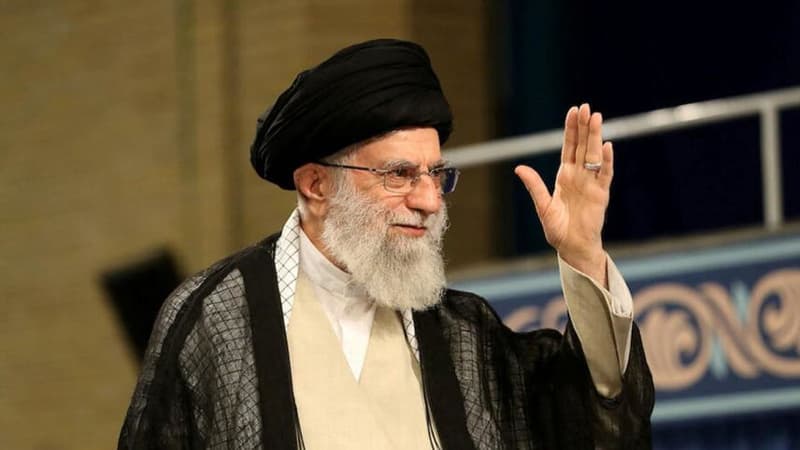
U.S. and Israel Assassinate Iranian Supreme Leader Ayatollah Ali Khamenei, President Donald Trump Says
137 sources compared