
Yechiel Leiter Warns U.S.-Iran Deconfliction Cell Excludes Israel From Lebanon Hezbollah Talks
Key Takeaways
- Lebanon deconfliction mechanism excludes Israel from direct participation.
- Israeli Ambassador Yechiel Leiter warns the mechanism excludes Israel and questions Iran's role.
- U.S.-Iran talks report progress on Israel-Hezbollah deconfliction.
Cell Amid Lebanon War
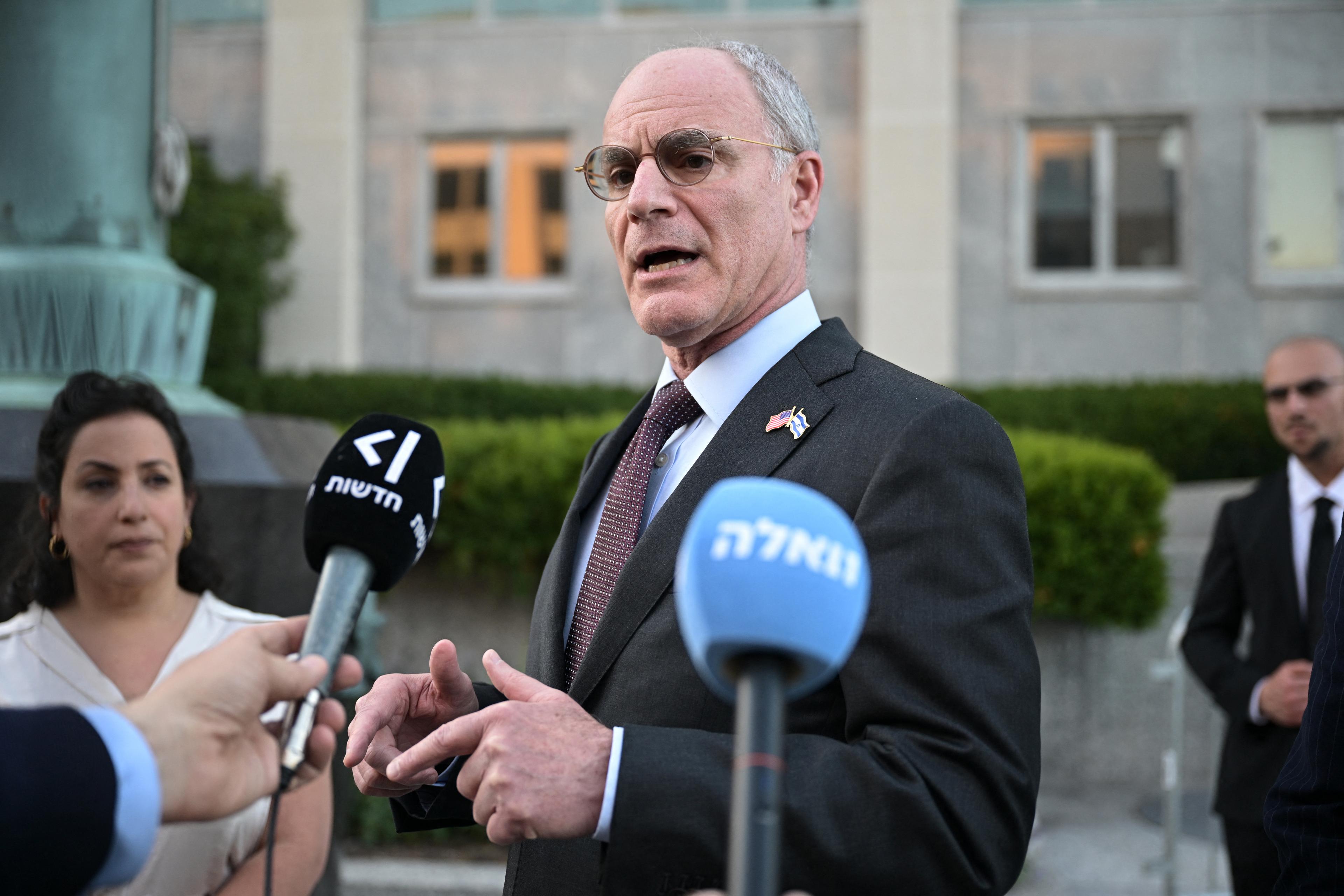
A new Lebanon “deconfliction cell” is being set up as part of an emerging U.S.-Iran framework, with Israeli Ambassador to the U.S. Yechiel Leiter saying the “main discussion is about Lebanon and Hezbollah — not about the extent to which Iran can restrain Hezbollah.”
“Gift this articleShare to FacebookPrint article Article printing is available to subscribers only Print in a simple, ad-free format Subscribe Comments: SaveZen Reading Zen reading is available to subscribers only Ad-free and in a comfortable reading format Subscribe”
Leiter criticized the Trump administration for agreeing to establish a “deconfliction cell” to end military operations in Lebanon without Israel’s involvement, and he warned the parties were “heading towards a train wreck.”
In parallel, U.S. Vice President JD Vance said the United States had set up a deconfliction mechanism aimed at preventing clashes involving Israel and Hezbollah from spiraling into a wider conflict, and he described it as established around 4 p.m. local time on Sunday.
Vance said protecting both Israel’s security and Lebanon’s sovereignty would require coordination with the Lebanese army and pressure on Iran to rein in Hezbollah, while the Jerusalem Post reported that mediators’ joint statement appears to include the Lebanese government but not Israel.
Competing Claims and Quotes
Qatar and Pakistan announced Monday the creation of a new “deconfliction cell” in Lebanon, and Haaretz described it as a mechanism to help enforce the Israel-Hezbollah cease-fire under the emerging U.S.-Iran framework while noting it had no mention of Israel.
In Washington’s framing, Vance said the goal of the mechanism is to allow for direct communication when incidents occur between Israel, Lebanon, Hezbollah and other regional partners, and he said “there really hasn’t been a mechanism to have those discussions until basically when we set that up
,
,
Israel’s pushback came through President Isaac Herzog, who told the Jerusalem News Syndicate (JNS) Conference in Jerusalem that any negotiations to end the Israel-Lebanon conflict should be done by the two countries themselves and not by “Iranian extortion.”
Prime Minister Benjamin Netanyahu also insisted the IDF retains freedom of action, saying “Our fighters in southern Lebanon have full freedom of action to thwart any direct or emerging threat to them or to the residents of the North.”
What’s at Stake Next
The dispute over Lebanon’s role in the U.S.-Iran track is central to the stakes, with Responsible Statecraft arguing that the Islamabad Memorandum’s Lebanon provisions are irreconcilable because Israel, Iran, Hezbollah and Lebanon’s executive hold interests that cannot be simultaneously reconciled.
“Vance says US made 'very good progress' on Israel-Hezbollah 'deconfliction mechanism' during Iran talks U”
Responsible Statecraft said Israel currently occupies 234 square miles of the country's south and that Netanyahu said Israeli forces will stay “as long as we need to protect our people,” while it also described Iran’s position that continued Israeli presence violates the agreement.
Itamar Ben-Gvir urged Netanyahu to tell Trump “we cannot fulfill this agreement,” and Responsible Statecraft said Hezbollah’s leader Naim Qassem rejected Israel’s occupation outright and called the Islamabad Memorandum a “great victory” for Iran.
In Lebanon’s political track, Responsible Statecraft described the Lebanese executive led by President Joseph Aoun and Prime Minister Nawaf Salam pledging to bring all weapons under state control, while it said Speaker of the Parliament Nabih Berri is positioned to prevent any disarmament framework from advancing.
The same sources tie the mechanism to the risk of funds reaching Hezbollah, with Responsible Statecraft citing Washington’s claim that “we actually know where the money’s going to move…and we’re going to be able to see if they try to fund terrorist organizations.”
More on Lebanon
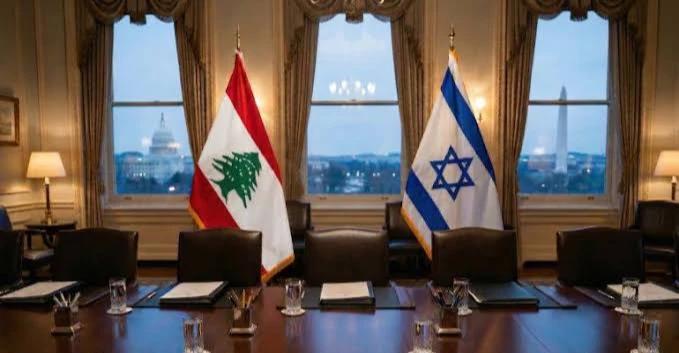
Israeli Drone Strike Kills At Least Two Near Kfar Reman As Lebanon-Israel Talks Continue In Washington
13 sources compared
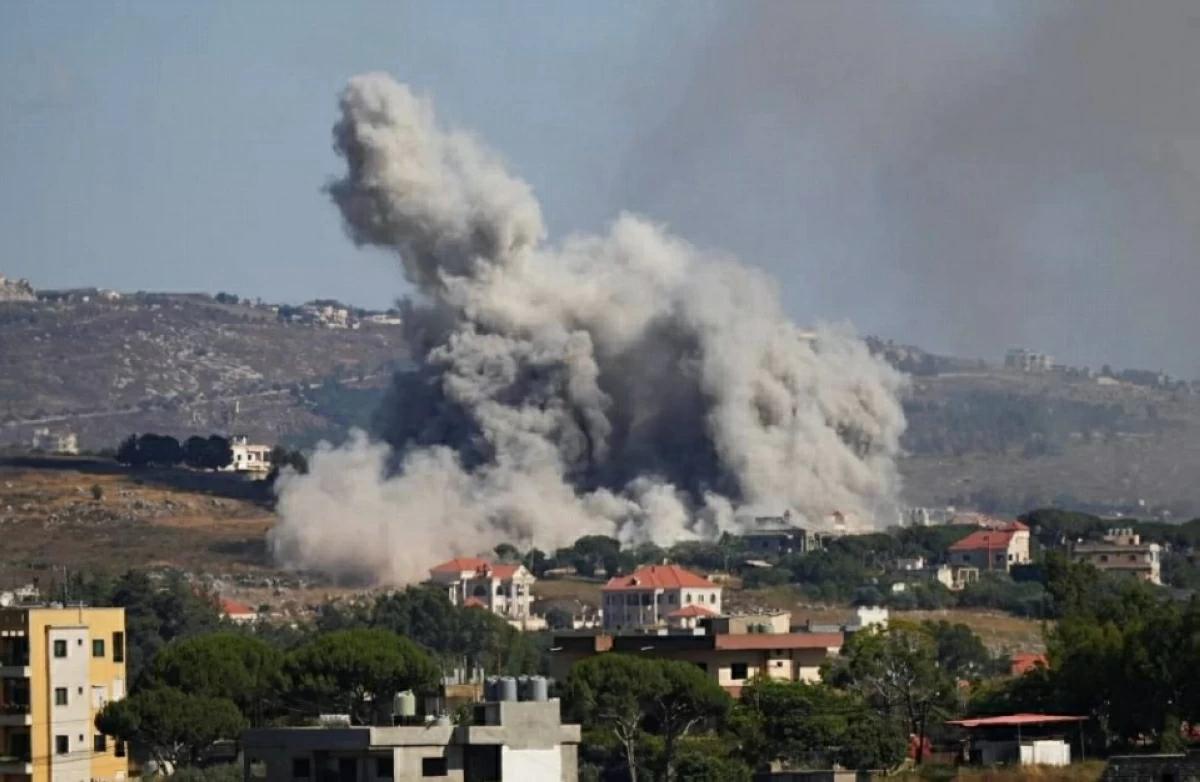
Israeli Forces Kill Six Hezbollah Operatives in Zawtar Al-Sharqiyah and Ali Al-Taher Ridge
19 sources compared

Israeli Troops Kill Two Men Near Nabatieh Al-Fawqa After Ceasefire Lull
11 sources compared
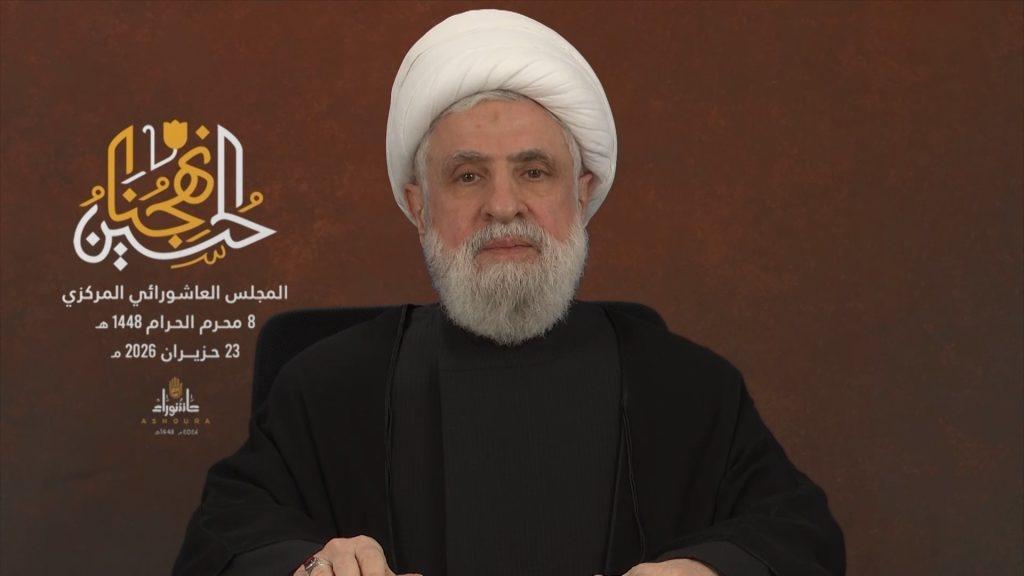
U.S.-Backed Talks In Washington Seek Israeli Force Handover, Hezbollah Disarmament In Lebanon
22 sources compared