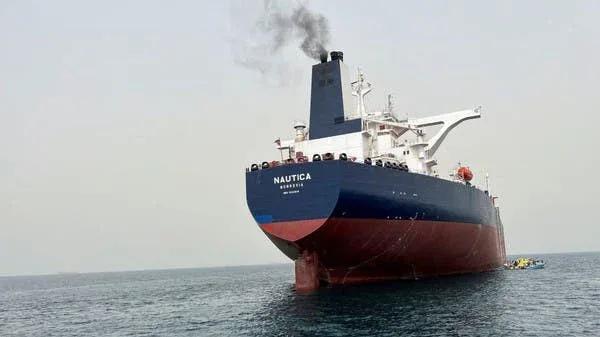
Yemen Coast Guard Tries To Recover Hijacked M/T Eureka Heading Toward Somalia
Key Takeaways
- Unidentified armed men hijacked the M/T Eureka off Shabwa, Yemen.
- Coast guard says the tanker is headed toward Somalia via the Gulf of Aden.
- Yemeni Coast Guard pursuing tracking and recovery measures to regain control.
Hijacked tanker, Shabwa to Aden
Yemen’s Coast Guard said it was attempting to recover the oil tanker “M/T Eureka,” which was hijacked off the coast of Yemen and was heading toward Somalia.
In the account carried by Al Jazeera, the tanker was seized off Yemen’s southeastern Shabwa province as “armed assailants boarded and took control of the vessel,” and the hijackers then steered it to the Gulf of Aden toward the Somali coast.
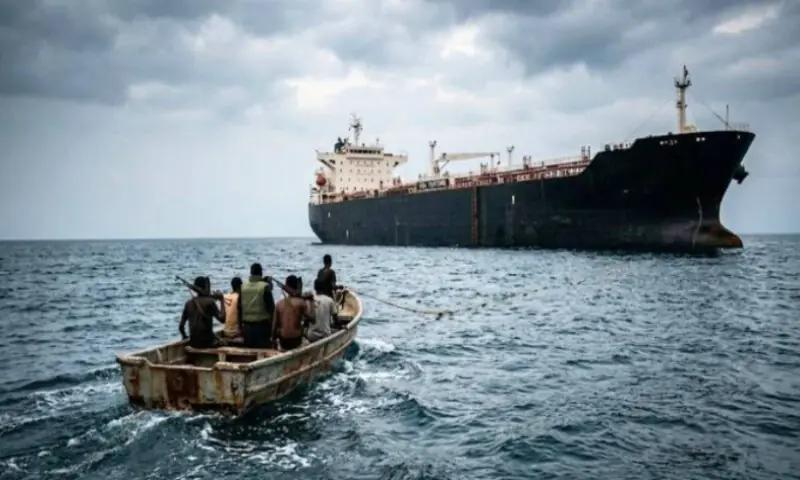
Reuters reporting, as republished by gCaptain, said the M/T EUREKA was hijacked off the coast of Shabwa province by “unidentified armed men” who boarded, seized control, and “steered it towards the Gulf of Aden in the direction of Somali waters.”
The BBC reported that the Yemeni coastguard earlier said the tanker MT Eureka had been hijacked and was headed towards Somalia, and that sources said it was overrun by pirates in the Gulf of Aden near the port of Qana.
The BBC further said the pirates departed a remote coastal area near the seaside town of Qandala, and that the tanker was overrun by the gunmen at “5:00 AM local time (03:00 BST) this morning.”
The BBC also said the tanker was sailing in the Gulf of Aden between Yemen and Somalia and was expected to anchor in Somali waters in the coming hours, while the Yemeni Coast Guard said it had identified the tanker’s location and was tracking it.
Piracy surge and linked incidents
The hijacking of M/T Eureka was reported as part of a broader pattern of piracy and suspicious maritime approaches in the same region and over a short time window.
Al Jazeera said the attack was “at least the fourth to take place near Somalia in recent weeks,” and it linked rising pirate activity to the war in Iran.

The BBC described the hijacking as the “second hijacking of an oil tanker in the area in a 10-day period,” following the hijacking of Honor 25 by Somali pirates on April 22.
The BBC also said the hijacking marked the “fourth successful pirate hijacking in two weeks,” and it described a separate incident in which UKMTO reported “armed persons” on a “skiff” approached a bulk carrier near Al-Mukala, Yemen.
In that BBC account, the armed persons departed a remote coastal area near the fishing town of Caluula (Alula), and the BBC specified that Caluula is “209km (130 miles) from where hijackers departed to seize the MT Eureka.”
Türkiye Today said the UKMTO recently reported suspicious activity “84 nautical miles southwest of the Yemeni port of Mukalla,” describing a bulk carrier approached by a small boat and a fishing vessel coming within “500 meters.”
Monitoring, recovery, and limited capacity
Yemen’s Coast Guard repeatedly emphasized both its operational steps and the constraints under which it was acting.
Al Jazeera reported that the coastguard said it was “working with international partners and relevant authorities in the Gulf of Aden to recover the tanker and ensure the safety of the crew,” while also cautioning that its capabilities were “limited due to Yemen’s dire economic situation.”
In the Reuters material republished by gCaptain, the coast guard said the tanker’s location had been identified and that “efforts were under way to track it, take necessary measures to recover it and ensure the safety of its crew.”
China Daily’s account said the pro-government Coast Guard troops confirmed in a brief statement that they had received a report earlier in the day regarding the hijacking of M/T Eureka and that, upon receiving the report, the Coast Guard initiated response procedures by dispatching “two patrol boats from Aden and smaller vessels from Shabwa.”
That report also said the operation was carried out despite “limited resources and exceptional circumstances,” and it described coordination with international partners and maritime security agencies operating in the Gulf of Aden as helping identify the vessel’s location.
The BBC included a risk-management element, quoting a security official from Puntland who told the BBC, “The on-going crisis with the pirates is much worse than many realize. There are increasing movements (of armed groups) all over the coast.”
Why piracy is rising
Several sources connected the M/T Eureka hijacking to wider geopolitical and maritime-security shifts, particularly around the Red Sea, the Gulf of Aden, and the Strait of Hormuz.
Al Jazeera said officials believed pirates had become emboldened because naval forces patrolling the Red Sea area were distracted by the blockade of the Strait of Hormuz and civilian maritime routes were diverted.
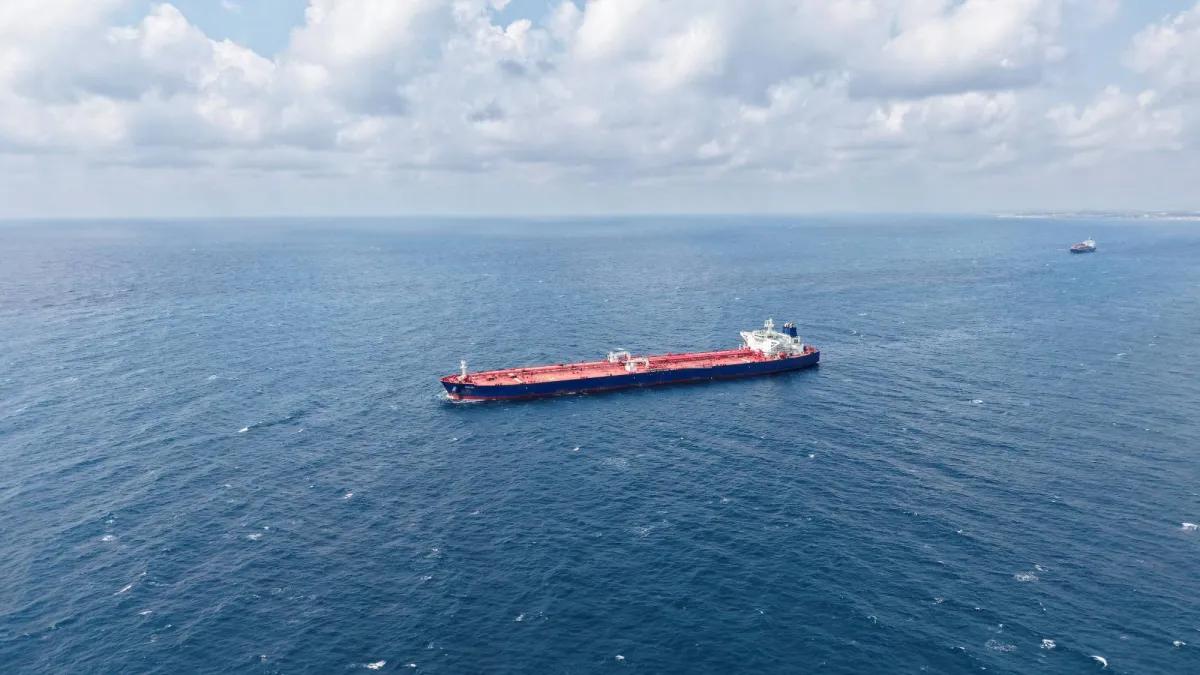
It also said UKMTO raised the piracy threat level along the Somali coast to “substantial” and warned vessels to “transit with caution,” while the European Union’s naval forces said the Iran war had given piracy groups a “window of opportunity.”
The Al Jazeera report described a historical baseline, saying the World Bank estimated piracy was costing the global economy as much as “$18bn a year,” and that more than “200 attacks were recorded in 2011 alone.”
The BBC similarly described the surge since late 2023, stating that “Houthi rebels began attacking ships in the Gulf of Aden and Red Sea,” which forced international navies to tackle the Houthi threat and left a “security lapse.”
DIE WELT added that the risk was classified as “substantial” by JMIC and that Operation Atalanta monitored “three attacks in the region by the end of April.”
Environmental risk and next steps
While the M/T Eureka hijacking drew attention to piracy and maritime security, another Yemen-related maritime risk described in the sources concerns the FSO Safer, a rusted ship abandoned for more than eight years.
“Oil tanker hijacked off coast of Yemen and taken towards Somalia Somali pirates have hijacked an oil tanker off the coast of Yemen, according to multiple Somali security officials that spoke with the BBC”
The United Nations Sustainable Development Group report said the UN was launching an operation expected to last “19 days” to pump “more than a million barrels of oil” from the FSO Safer to a nearby replacement vessel.
It said UN Secretary-General António Guterres stressed that the UN had taken charge because an oil spill would cause an “environmental catastrophe for the region,” and it quoted him saying, “The United Nations has launched an operation to defuse what could be the planet's largest ticking time bomb... This mission, which requires everyone on deck, is the culmination of nearly two years of preparatory work on the political front, fundraising, and project development,”.
The UN report placed the tanker north of Yemen’s port of Hodeidah and warned that the “47-year-old ship could rupture and explode,” while also stating that the FSO Safer has been moored about “4.8 nautical miles southwest of the Ras Issa peninsula” on Yemen’s western coast for more than 30 years.
It said the UNDP warned that an oil spill would “instantly destroy 200,000 livelihoods” and that “the fish stock would take twenty-five years to recover.”
It further said the UN Secretary-General requested “about an additional $20 million” to finish the project, including cleaning up and dismantling the FSO Safer and eliminating any residual environmental threat to the Red Sea.
More on Yemen

Yemeni Government and Houthis Agree to Exchange Nearly 3,000 Prisoners in Oman Talks
25 sources compared
Mohammed bin Salman Chairs GCC Emergency Summit in Jeddah To Coordinate Iran-Linked Responses
12 sources compared

Houthi Leader Declares US-Iran Ceasefire Major Victory for Iran and Resistance Axis
10 sources compared
Iran Escalates With Missiles on Saudi Arabia's Jubail, Energy Hub Targeted
21 sources compared