
Yemen Says It Will Not Be Neutral on US Adventurism Against Iran
Key Takeaways
- Yemen will not remain neutral in US actions against Iran.
- Yemen condemns US-Israeli aggression and piracy in the Sea of Oman as costly.
- Ansar Allah leader Abdul-Malik al-Houthi warns escalation if aggression against Iran resumes.
Sana'a rejects neutrality
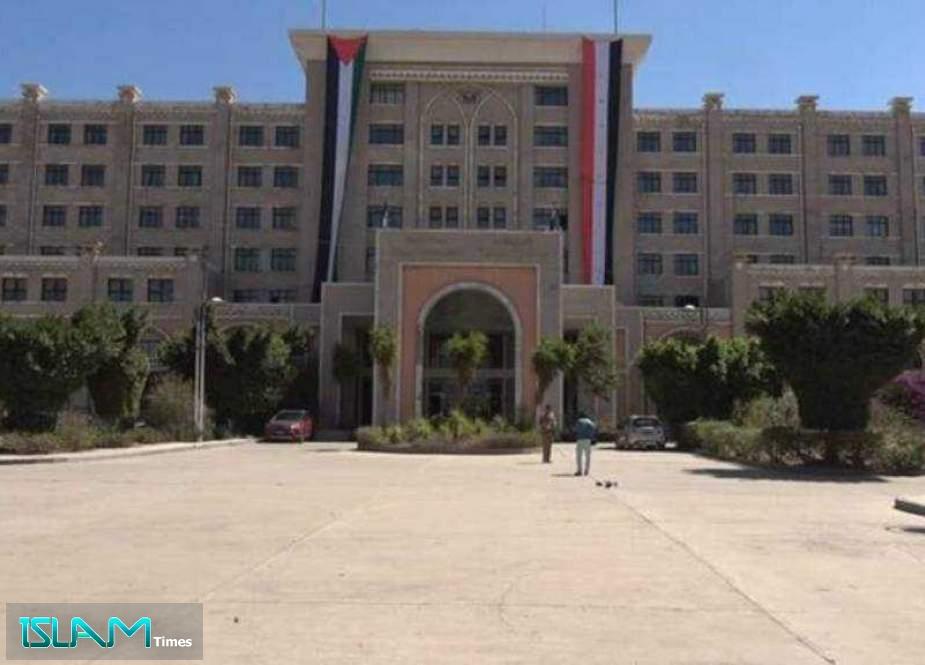
Yemen’s foreign ministry said Yemen would not be neutral on any new US “adventurism” against Iran, declaring Sana’a’s support for Iran’s measures in the Strait of Hormuz in a statement issued on Wednesday.
“Yemen's foreign ministry has warned against the adventurism and barbarism of the Trump administration in the Persian Gulf and declared Sana'a's support for Iran's measures in the Strait of Hormuz, the ministry said in a statement”
The ministry warned against what it called “the adventurism and barbarism of the Trump administration in the Persian Gulf,” and said the aggression of the US and the Israeli regime against Iran and US piracy in the Sea of Oman have forced the world to pay a heavy cost.

It tied that cost to “disruptions to supply chains and maritime transport, rising shipping costs, and higher energy and food prices,” and condemned US piracy in the Sea of Oman and attacks on Iranian commercial vessels and the detention of their crews as “a clear violation of international law and the freedom of navigation.”
The statement also described Iran’s measures in the Strait of Hormuz as lawful, citing “countries' right to self-defense” and their authority to restrict navigation within their territorial waters in response to security threats.
Yemen’s foreign ministry stressed that “the only way to resolve the situation in the Strait of Hormuz is to address the root causes of the US-Israeli aggression against the Islamic Republic of Iran.”
It further warned “certain opportunists outside the region” against steps that could complicate the situation and “inflict serious damage on supply chains, energy prices, and the global economy.”
The ministry expressed appreciation for “Pakistan's mediation efforts aimed at ending the aggression of the United States and the Israeli regime against Iran,” while also stressing that “Yemen is not neutral regarding the ongoing attacks on Iran, Lebanon, and Palestine.”
Hormuz, piracy, and costs
In the same Wednesday statement, Yemen’s foreign ministry condemned what it described as US piracy in the Sea of Oman and attacks on Iranian commercial vessels, including the detention of their crews, calling the actions “a clear violation of international law and the freedom of navigation.”
The ministry said Iran’s measures in the Strait of Hormuz are lawful, grounding that position in “countries' right to self-defense” and in the authority to restrict navigation within territorial waters in response to security threats.
It argued that resolving the Strait of Hormuz situation requires addressing “the root causes of the US-Israeli aggression against the Islamic Republic of Iran.”
The statement also blamed disruptions on the US and Israeli actions, saying the aggression and piracy have forced the world to pay a heavy cost that includes “rising shipping costs” and “higher energy and food prices.”
Yemen’s foreign ministry warned “opportunists” against actions that could worsen tensions and further damage global supply chains, energy prices, and the economy, describing the situation as driven by “the barbarism of Trump and his Zionist partners.”
The statement praised Pakistan’s mediation efforts aimed at ending the aggression of the United States and the Israeli regime against Iran, while insisting Sana’a’s stance is “clear and unambiguous.”
The PressTV account added that Iran has restricted transit through the Strait of Hormuz to hostile parties since the US and Israel launched an unprovoked war of aggression on February 28.
Ceasefire and failed talks
The accounts tie Yemen’s position to a timeline that includes a ceasefire mediated by Pakistan and subsequent breakdowns in negotiations.
“The leader of Yemen's Ansar Allah movement, Abdul-Malik al-Houthi, issued new escalatory statements, confirming that the group is not neutral in the regional conflict, emphasizing that its primary option would be escalation if what he described as aggression against Iran and the axis of resistance resumes”
PressTV said that “Forty days into the war, a two-week ceasefire mediated by Pakistan halted the war on April 8,” but that “Washington-Tehran negotiations in Islamabad failed to reach a deal” because of what it described as “the American delegation’s excessive demands and shifting goalposts.”
It also said Trump “recently said he was unilaterally extending the ceasefire,” but ordered “continuation of an illegal blockade of Iranian vessels and ports.”
PressTV further reported that on April 1, US forces attacked and seized the Iranian commercial vessel Touska in the Gulf of Oman, detaining its crew and claiming the ship had violated the “so-called naval blockade.”
The Islam Times text echoed that a “Pakistan-brokered ceasefire on April 8 stalled,” and described “failed talks, continued US blockade actions, and regional resistance involvement.”
It also said the Iran–US conflict began February 28, and that the ceasefire was followed by continued blockade actions and regional involvement including Yemen’s Ansarullah warning it may resume operations if the truce collapses.
Together, the sources present Yemen’s non-neutrality as aligned with Iran’s measures and with resistance forces’ readiness to respond if the ceasefire fails.
Houthi: escalation on table
Beyond Sana’a’s foreign ministry statement, Al-Masirah channel coverage cited escalatory remarks by Abdul-Malik al-Houthi, leader of Yemen’s Ansar Allah movement, emphasizing that the group is not neutral and that escalation is its primary option if aggression resumes.
The Al-Masirah account said al-Houthi issued “new escalatory statements,” confirming that the group is not neutral in the regional conflict and that “its primary option would be escalation if what he described as aggression against Iran and the axis of resistance resumes.”
His remarks came during a speech delivered on the occasion of the annual anniversary of “the Slogan in the Face of the Arrogant” for the year 1447 AH, where he renewed the group’s stance rejecting American and Israeli policies in the region.
The report said al-Houthi affirmed that the current ceasefire does not represent the end of the tension, describing it as “a temporary and fragile phase liable to collapse at any moment.”
He said his group regards itself as in direct confrontation with the United States and Israel, adding that “the option of escalation is on the table if the other side escalates again,” referring to the possibility of widening the confrontation.
The same source placed these statements amid “talk of a temporary ceasefire agreement between the two sides,” following a broad military escalation that lasted for weeks and included mutual attacks in more than one regional arena.
It also said that U.S. President Donald Trump stated that Iran would be forced back to the negotiating table and that Washington has “ready military options if needed.”
What happens next
Across the sources, the next phase is framed around whether the ceasefire holds and whether blockade actions continue, with Yemen’s position presented as tied to the wider “axis of resistance.”
“Yemen: No Neutrality on US ‘Adventurism’ Toward Iran Story Code : 1277429 In a statement on Wednesday, the ministry said the aggression of the US and the "Israeli" occupation against Iran and US piracy in the Sea of Oman have forced the world to pay a heavy cost, evident in disruptions to supply chains and maritime transport, rising shipping costs, and higher energy and food prices”
PressTV said the US-Israeli aggression against Iran “drew in resistance forces from across the region, including from Lebanon, Yemen, and Iraq,” and described Yemen’s Ansarullah movement as a “key part of the Axis of Resistance,” launching “missile and drone attacks on Israeli targets.”
It added that Ansarullah leader Abdul-Malik al-Houthi said the Yemeni resistance movement would “return to fighting if the fragile ceasefire between Tehran and Washington expired without an agreement to permanently end the war.”
The Islam Times account similarly said the Pakistan-brokered ceasefire on April 8 stalled, and that “Yemen’s Ansarullah warning it may resume operations if the truce collapses” links Yemen’s posture to the truce’s durability.
In parallel, the foreign ministry statement warned that actions by “opportunists” could further complicate the situation and “inflict serious damage on supply chains, energy prices, and the global economy.”
PressTV also emphasized that Yemen is not neutral regarding attacks on Iran, Lebanon, and Palestine, and that Sana’a’s stance is “clear, public, and unambiguous.”
The Al-Masirah-linked report reinforced that the ceasefire is “temporary and fragile” and that escalation is “on the table” if the other side escalates again, while also noting that negotiations in Islamabad failed and that a naval blockade on sensitive Iranian ports followed.
More on Yemen

Hezbollah Rejects Israel-Lebanon Ceasefire, Demands Full Israeli Withdrawal From Lebanon
38 sources compared

Yemeni Government and Houthis Agree to Exchange Nearly 3,000 Prisoners in Oman Talks
25 sources compared
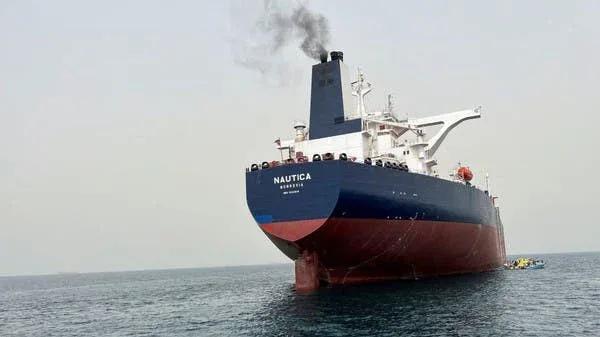
Yemen Coast Guard Tries To Recover Hijacked M/T Eureka Heading Toward Somalia
28 sources compared
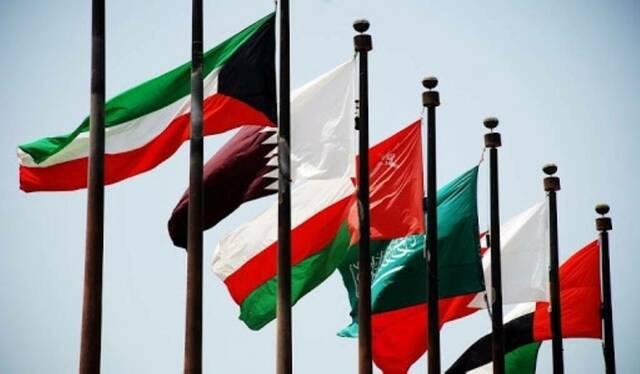
Mohammed bin Salman Chairs GCC Emergency Summit in Jeddah To Coordinate Iran-Linked Responses
12 sources compared