
Britain · 01 May, 2026 · 6 min read
250kg German SC250 WWII Bomb Discovered in Plymouth Triggers Evacuation and Controlled Detonation
A 250kg German SC250 WWII bomb was found at a Southway building site, Plymouth. A 400-metre exclusion zone was established, evacuating about 1,200 homes.
5 of 7 outlets skipped it: the operation aimed to “deflagrate” and “burn it inside of a structure” to limit damage..
15outlets compared
Same story, two versions
tap a side to read it in full
The Independent
““You will not be able to see the detonation and people are asked to stay well away from the area,””Read the original ↗
GB News
““You will not be able to see the detonation and people are asked to stay well away from the area.””Read the original ↗
These two align, but they show the story’s public-safety framing is explicitly about what residents will not observe (and therefore should not try to witness), reinforcing compliance.
Bomb in Plymouth
A Second World War bomb was discovered at a building site in Flamborough Road, Southway, in Plymouth, triggering evacuations and a controlled detonation plan.
“identified as a 250kg German SC250”
The device was identified as a 250kg German SC250, and officials confirmed it would be detonated in situ after military experts concluded it could not be safely moved.
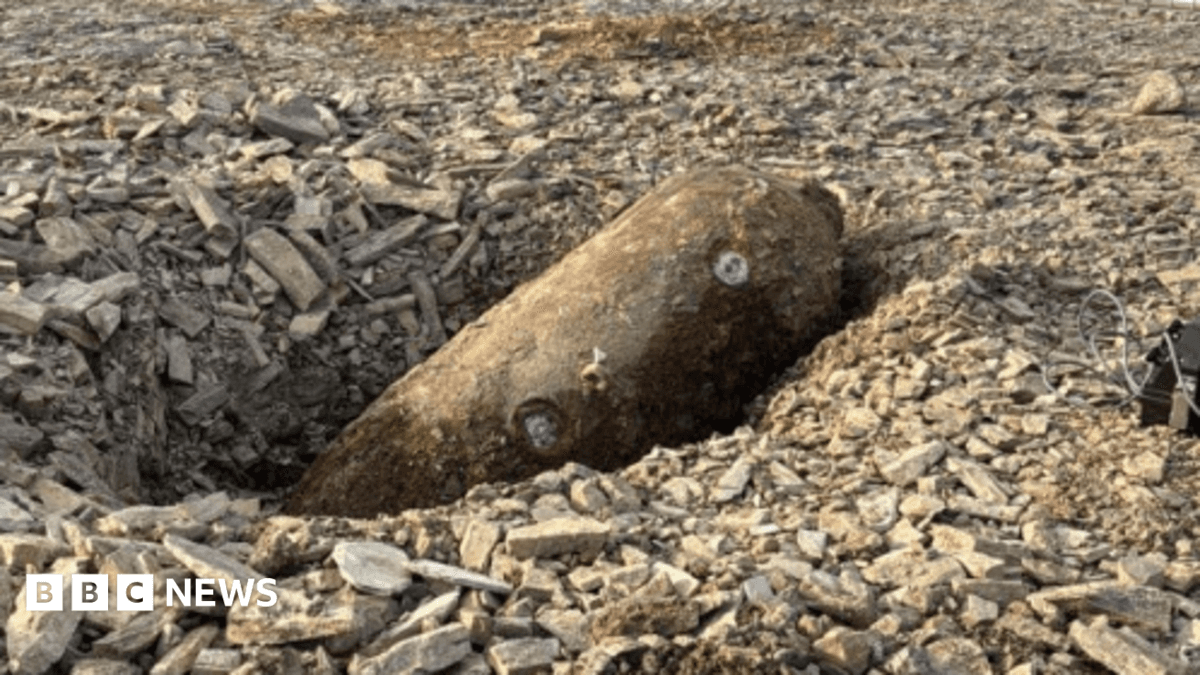
The discovery led to a 400-metre cordon, and Plymouth City Council said residents would not be able to return home until the device had been made safe.
The council spokesman said, “Royal Navy and Army unexploded ordnance specialists have now completed a rigorous and detailed assessment of the device,” and added that “They have advised that it is not possible to safely remove it.”
The plan was described as “The only safe option is to make the device safe in situ, which will involve a controlled detonation,” with the operation scheduled for Friday once safety measures were fully in place.
The Independent reported that specialists were building a “sand mitigation structure” and that “You will not be able to see the detonation and people are asked to stay well away from the area,” while also stating “A no-fly zone is also in place – drones are not permitted.”T
In parallel, GB News said the authority confirmed the live operation to detonate the device began at 8.15am, and it reiterated that a 400-metre cordon remained in force around the affected area.G
Why it couldn’t move
Multiple outlets tied the decision to detonate the SC250 in situ to uncertainty about the bomb’s fuses and the inability to obtain definitive readings.
The Independent said Colonel Nick Handy, from 8 Engineer Brigade, explained that “the condition of the fuses in the bomb made it impossible to move it safely,” and he added, “Unfortunately we cannot get a definitive X-ray of the second fuse and therefore it is not safe to move that item.”T
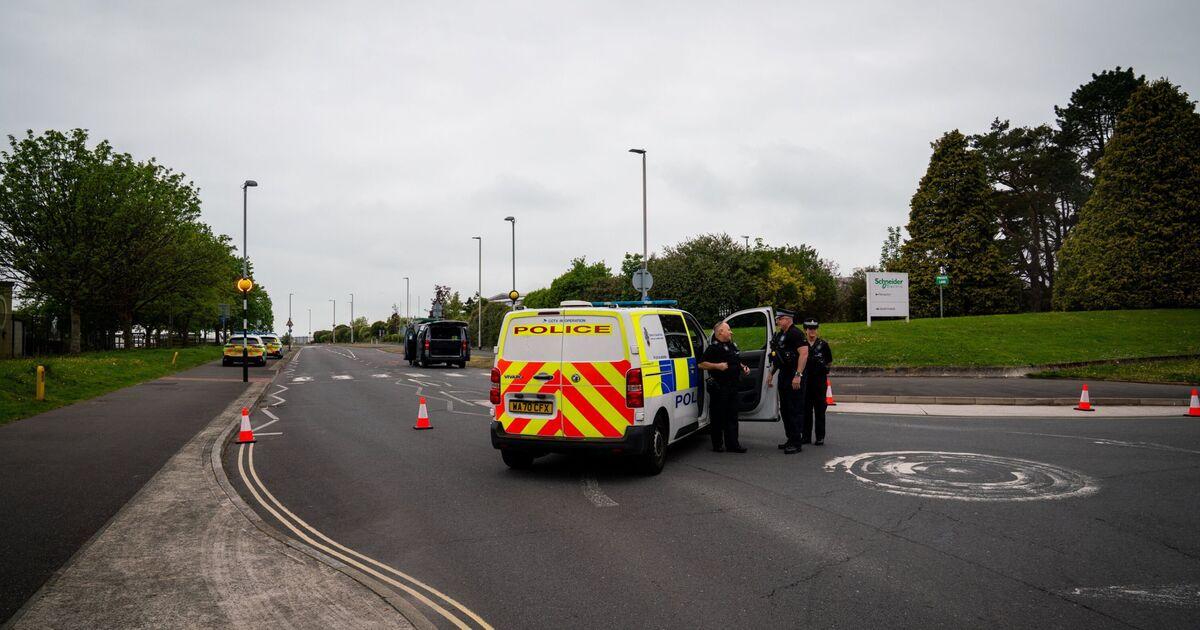
Caliber.Az similarly quoted Col Nick Handy saying, “The simple reason is, the fuses are the thing that makes it go bang,” and it reported that “Unfortunately we cannot get a definitive X-ray of the second fuse and therefore it's not safe to move that item.”
The Times of India also used Col Nick Handy’s wording, stating, “The simple reason is, the fuses are the thing that makes it go bang,” and repeating that “Unfortunately we cannot get a definitive X-ray of the second fuse and therefore it’s not safe to move that item.”
In describing the technical approach, The Independent said Col Handy stated, “We are going to blow it in situ,” and he elaborated that they would “try our hardest to deflagrate that item and burn it inside of a structure which will limit the damage to the local surroundings.”T
GB News echoed the same rationale, saying the condition of the fuses in the “80-year-old bomb” made safe removal impossible and quoting the council spokesman that it was “not possible to safely remove it.”
The Mirror and Daily Express both described the bomb disposal experts’ conclusion that it was unsafe to move, with The Mirror stating the weapon was “deemed unsafe to move” and Daily Express saying specialists assessed the device “yesterday and said it was too unstable to move.”
Evacuation and preparations
As the operation approached, authorities evacuated large numbers of households and set up arrangements for displaced residents while safety measures remained in force.
“more than 50 residents have been helped and 25 households placed in temporary accommodation”
The Independent said more than 1,000 homes in Plymouth were evacuated after the unexploded Second World War bomb was discovered, and it described the 400-metre cordon and the opening of Southway Youth and Community Centre for evacuated residents.T
It added that “Since it opened more than 50 residents have been helped and 25 households placed in temporary accommodation,” and it listed Oakwood Primary School, Little Acorns Pre-School and Beechwood Primary School as remaining closed on Friday.
The Mirror reported that approximately 1,260 households within a 400‑metre safety cordon were evacuated, and it said an evacuation centre was offered at Southway Community Centre.
Daily Express said the bomb was found on Wednesday evening (April 29) at the building site in the Southway area on Flamborough Road and that an exclusion zone was extended from 100m to 200m and then 400m, with 1,260 households evacuated.
Daily Express also described the controlled detonation causing debris and said the 400m cordon continued to be in place, while Plymouth City Council said specialists were building protective structures and surrounding the bomb with 450 tonnes of sand.
Plymouth Live reported that the bomb was detonated at around 11.15am on Friday and that the 400m cordon had not been lifted even though the device had been made safe.
The blast and public response
Residents described the detonation as loud and startling, with smoke and car alarms reported near the Southway Community Centre area.
The Mirror said a “big bang was heard just before 11:20am this morning as smoke filled the air and car alarms went off where the device was found at a building site in Southway.”

It quoted Angela Kalwaites, who was close to the Southway Community Centre as the bomb was detonated, saying, “There was a big, big bang, you couldn't miss this one. "As I look across the barrier there's smoke in the air and car alarms are going off," she told the BBC.
The Independent also included the council spokesman’s instruction that “You will not be able to see the detonation and people are asked to stay well away from the area,” and it said a “no-fly zone is also in place – drones are not permitted.”T
After the blast, Plymouth City Council said thorough safety inspections were required before residents could return, and The Mirror said the inspections were needed “due to debris” caused by the blast.
Daily Express likewise said the controlled detonation caused debris and therefore the 400m cordon continued to be in place, while Plymouth City Council said specialists had assessed the device as too unstable to move.
Plymouth Live reported that the 400m cordon remained in place while the spread and impact of debris was assessed, even though the bomb had been made safe.
Aftermath and next steps
Even after the device was rendered safe, the reporting emphasized that residents could not immediately return because debris and damage assessments were still required.
“due to debris caused by the controlled detonation, thorough safety inspections are now required before residents can safely return to their homes”
The Independent said rescue and safety teams were still working and that residents would not be able to return home until the device had been made safe, while it also described the council’s sand mitigation structure and the no-fly zone.T

The Mirror said the unexploded device discovered in Southway was successfully rendered safe, but “due to debris caused by the controlled detonation, thorough safety inspections are now required before residents can safely return to their homes.”
Daily Express similarly stated that the controlled detonation caused debris and therefore the 400m cordon continued to be in place, and it quoted Plymouth City Council’s need to carry out “detailed assessments of damage in the surrounding area, including structural checks on nearby properties, before we can safely lift the cordon.”
Plymouth Live provided the council’s longer statement that “Southway residents and businesses are being asked for their patience to allow vital safety checks and damage assessments to be carried out, following the controlled detonation of a historic UXO,” and it added that “However, due to debris caused by the controlled detonation, thorough safety inspections are now required before residents can safely return to their homes.”
It also said the council had transported “around 450 tonnes of sand” and installed protective measures including “the erection of walls and the digging of trenches to mitigate the impact of any detonation and reduce ground shock.”
The Times of India reported that Devon and Cornwall Police said there were currently no plans to expand the exclusion zone, but noted that the situation could change depending on safety assessments.