Business16 March, 20262 min read
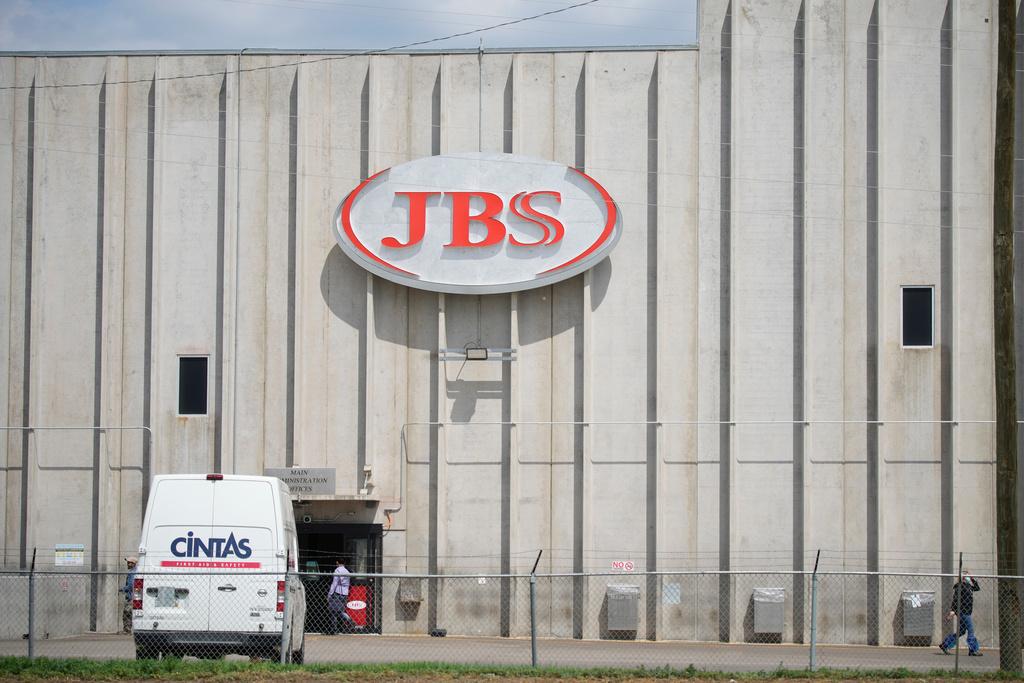
3,800 UFCW Local 7 workers strike at JBS plant in Greeley, Colorado.
About 3,800 UFCW Local 7 workers walked out at Swift Beef Co. plant in Greeley. First walkout at a U.S. beef slaughterhouse since the 1980s, beginning Monday at 5:30 a.m.

Strike Overview
Approximately 3,800 workers at the Swift Beef Co. plant in Greeley, Colorado initiated a major labor strike on Monday morning.
“About 3,800 workers at one of the nation's largest meatpacking plants went on strike Monday in Colorado in what union representatives said is the first walkout at a U.S. beef slaughterhouse since the 1980s.”
The strike began at 5:30 a.m. Mountain Time and represents a significant labor action in the meatpacking industry.
United Food and Commercial Workers Local 7, led by President Kim Cordova, represents the striking workers.
Union officials reported that workers participated in the strike line throughout the day.
This marks what union representatives described as the first walkout at a U.S. beef slaughterhouse since the 1980s.
Union Allegations
The strike stems from serious allegations by union officials that JBS USA engaged in retaliation against employees and committed unfair labor practices during contract negotiations. United Food and Commercial Workers Local 7 general counsel Matt Shechter accused the company of attempting to intimidate workers to quit the union through one-on-one meetings.
The previous labor agreement expired at midnight Sunday, providing the immediate context for the walkout. Workers sought to address what they characterized as systemic abuses and violations of their labor rights.
Industry Context
The significant labor action occurs amid broader economic challenges in the cattle industry. America's cattle herds have shrunk to their smallest size in 75 years, with inventory reaching just 86.2 million head as of January 1. This represents a 1% decline from the previous year, indicating ongoing industry contraction.
“This labor dispute unfolds as America's cattle herds have shrunk to their smallest size in 75 years, with inventory reaching just 86.2 million head as of January 1 — a 1% decline from the previous year.”
Shrinking supply and rising beef costs have contributed to consumer concerns about food prices. The situation follows January's shutdown of a meat processing plant in Lexington, Nebraska. This shutdown sent economic shockwaves through that community, highlighting the interconnected nature of the meatpacking sector.
Historical Issues
The Greeley plant has a troubling history of labor and safety issues.
A 2025 U.S. Department of Labor investigation found JBS relied for years on migrant children to work in its slaughterhouses.

Federal investigators discovered children as young as 13 were hired through an outside sanitation company.
These children worked overnight cleaning shifts at slaughterhouses in Colorado, Iowa, Minnesota and Nebraska.
Their jobs included cleaning dangerous powered equipment, according to labor officials.
The company agreed to pay $4 million to assist individuals and communities affected by these unlawful child labor practices.
Worker Solidarity
The strike demonstrates strong worker solidarity, with Kim Cordova reporting that an impressive 99% of workers voted to authorize the strike action. This indicates overwhelming support for labor action among the workforce. The high level of participation reflects deep-seated frustration among workers.
“Cordova said 99 per cent of workers voted to authorize the strike.”
Workers have faced systemic issues including poor working conditions, discrimination, and inhospitable living conditions. The strike comes at a time when the Trump administration is pursuing trade agreements with Argentina aimed at reducing meat costs. This suggests labor relations may intersect with broader national economic policies and international trade decisions.
