Full story
UAE quits OPEC and OPEC+
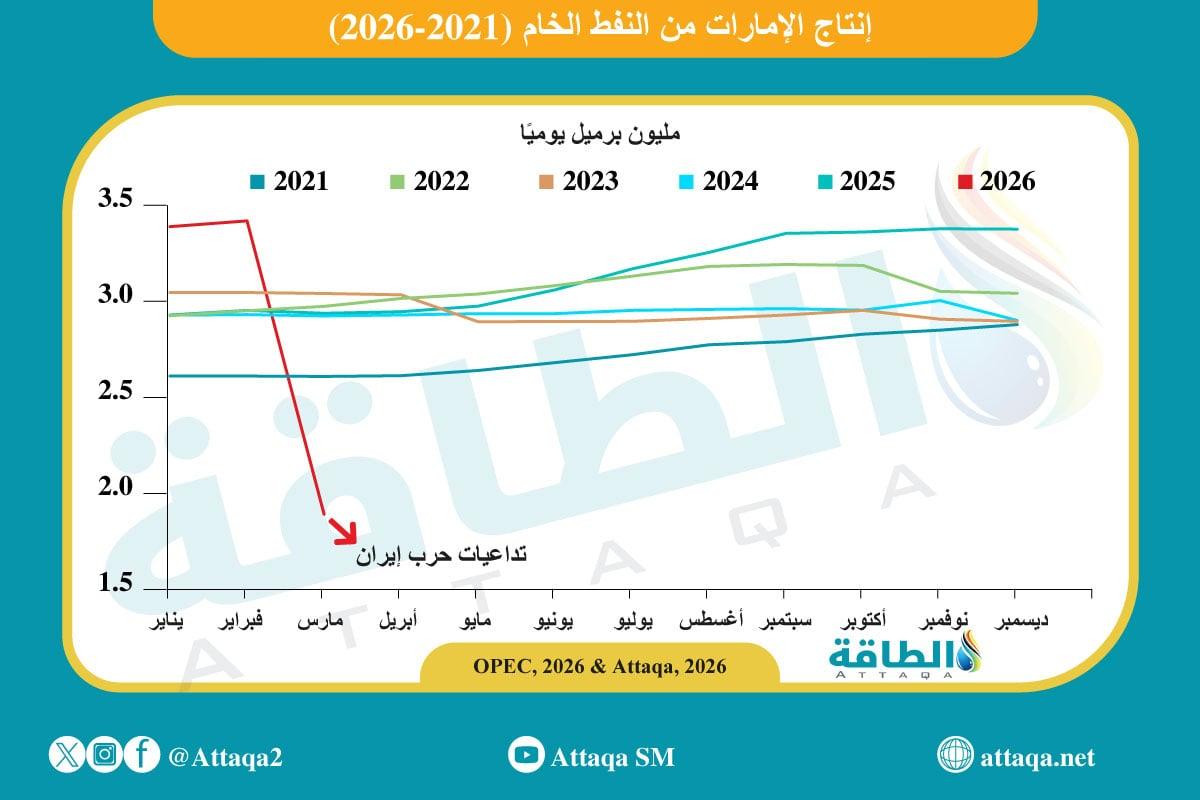
The United Arab Emirates (UAE) announced it would quit the Organization of the Petroleum Exporting Countries (OPEC) and OPEC+ after nearly 60 years of membership, setting an effective date of May 1, 2026.
“After decades of membership, the United Arab Emirates has decided to quit the oil producers’ group, OPEC, in order to focus on “national interests” and forge its own path, it has said”
CNN reported that the UAE plans to withdraw “on Friday,” citing the UAE’s state news agency WAM, and said the decision followed a review of the UAE’s “current and future (production) capacity and is based on our national interest,” as stated by WAM.

BBC similarly said the UAE is quitting “next month” after “nearly 60 years of membership,” framing the move as a way to meet “growing global energy demand in the long term” after investments to boost production capacity.
Reuters is referenced in the L’Orient Today piece as noting the UAE’s exit “effective on 1 May 2026,” and the Wood Mackenzie analysis describes the decision as “momentous” and “the biggest schism in the organisation since it was founded in 1960.”
Multiple outlets tied the UAE’s departure to its desire to be unconstrained by cartel output limits: DW quoted UAE energy minister Suhail Al Mazrouei saying, “The world needs more energy. The world needs more resources, and [the] UAE wanted to be unconstrained by any groups.”
In the same reporting stream, Fox Business described the UAE’s break as allowing it to “produce more oil,” with Max Pyziur saying, “Outside of the cartel, the Emirates will be able to produce more oil.”
Capacity, quotas, and the Strait
A central thread across the coverage is the mismatch between the UAE’s production capacity and the limits imposed by OPEC quotas, especially while the Strait of Hormuz remains disrupted.
CNN said OPEC quotas “had most recently limited the UAE to 3.2 million barrels of production a day, when it has capacity to produce closer to 5 million barrels a day,” and it described the potential additional supply as “around 1-2% of global oil demand.”
Al Jazeera added that the UAE’s capacity had been increased from “3 to 5 million barrels per day (bpd) by 2027,” while under its OPEC agreement it was “only allowed to produce 3.2 million bpd.”
Wood Mackenzie argued that the UAE’s near-term production outlook is constrained by the “ongoing closure of the Strait of Hormuz,” saying “With close to 2 million b/d of offshore production currently shut in,” the country’s ability to increase supply in 2026 is restricted.
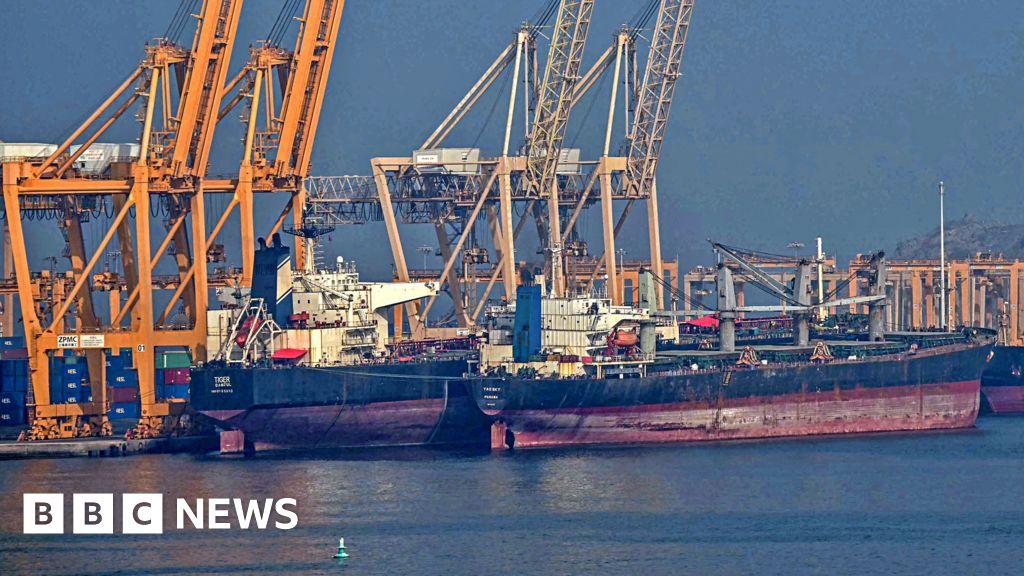
Fox Business also emphasized the Strait-of-Hormuz bottleneck, saying the UAE has been using “its own 249-mile-long pipeline to bypass the Strait of Hormuz,” which Chandler said gets oil to the Gulf of Oman.
Al Jazeera described how the UAE can sell some oil via the Fujairah terminal, stating “Last year, it exported 1.7 million bpd of crude oil and refined fuels this way – not enough to meet its ambitions.”
The BBC noted that the UAE’s departure “will not have an immediate impact on global energy supply, due to the ongoing closure of the Strait of Hormuz,” but could lead to a longer-term boost in output.
Voices: markets, politics, and strategy
The reporting includes competing interpretations of what the UAE’s exit means, with analysts focusing on both cartel cohesion and the geopolitical context of the Iran war and Gulf tensions.
“The United Arab Emirates' exit from OPEC this week will weaken the influence of the cartel and its leader Saudi Arabia on the oil market, a development that could prove bearish for prices over the long term”
BBC quoted Saul Kavonic, head of energy research at MST Financial, saying it was “the beginning of the end” for the alliance, and it also quoted Neil Atkinson of the IEA saying the exit is “a major blow to the future effectiveness” of Opec.
CNN quoted Rystad’s Jorge Leon calling the shift “a significant shift for the oil-producer group,” and it also quoted Rystad’s Leon that the UAE is “one of the few members with meaningful spare (production) capacity.”
DW framed the move as a blow to Saudi Arabia’s ability to manage discipline, quoting Jorge Leon of Rystad Energy that “Losing a member with 4.8 million barrels per day of capacity, and the ambition to produce more, takes a real tool out of the group's [OPEC] hands.”
In Al Jazeera, Mohammad al-Sabban, Saudi Arabia’s former senior oil adviser, downplayed the impact, saying, “It’s not a major blow, especially for OPEC+ [which] consists of 23 countries, and one country going out doesn’t mean anything.”
The same Al Jazeera piece quoted energy strategist Kingsmill Bond of Ember Future, saying, “They are clearly preparing for the period after the war,” and adding that the UAE wants to be “free from the constraints of OPEC.”
Fox Business added a market framing from Marc Chandler of Bannockburn Capital Markets, who told it that “The cartel producers discipline the member countries to produce only what the quotas allow and try to get a higher oil price for all.”
At the policy level, CNN quoted UAE Energy Minister Suhail Al Mazrouei saying the decision came after “looking at what is happening to the Strait of Hormuz and the level of withdrawal of the strategic reserves,” and it quoted him saying the move would help oil importing nations while not having a major impact on prices because of “the constraints on producers sparked by the closure of the strait.”
Different frames across outlets
While the core facts of the UAE’s exit are consistent, outlets diverge in how they frame the significance—ranging from cartel “schism” to a limited near-term market effect.
Wood Mackenzie called the exit “momentous” and “undoubtedly the biggest schism in the organisation since it was founded in 1960,” while also arguing that the Strait of Hormuz closure limits immediate impact and that the exit is “more likely to influence supply dynamics in 2027 and beyond.”

CNN likewise said the implications for global energy markets “will likely be limited in the short-term” because “the Strait of Hormuz still remains largely shut,” and it described the UAE’s additional supply as likely to matter more once the strait reopens.
By contrast, BBC emphasized the political and market power shift, quoting Atkinson that Opec’s ability to influence prices will be “clearly weakened” once normal production resumes after the war.
Fox Business leaned into a “win” narrative for the UAE and the US President Donald Trump, saying the move “could be good news for the world in the long run, experts say,” and it quoted Max Pyziur that “Outside of the cartel, the Emirates will be able to produce more oil.”
Al Jazeera presented the decision as a major blow to the “Vienna-based oil cartel” but not the end of it, and it described the UAE’s rationale as focusing on “national interests” and forging its own path.
DW framed the exit as a blow to Saudi Arabia’s leadership and described it as “the thin end of the wedge,” quoting David Oxley warning that “the ties binding OPEC members together have loosened.”
Even within the same theme, the Conversation’s framing differed by arguing that the UAE’s decision “will leave the oil cartel weakened at a crucial time” and by tying it to “years of Abu Dhabi’s complaints about the cartel,” while also stating the exit affects “about 12% of OPEC’s total oil output.”
What comes next for markets
The consequences described by the sources center on longer-term oil price volatility, potential cartel fragmentation, and the timing of any supply changes once Hormuz traffic returns.
“(CNN) — The withdrawal of the United Arab Emirates from the Organization of the Petroleum Exporting Countries (OPEC) is a strong blow to the Middle East's ability to keep oil prices artificially high”
BBC reported that oil prices were elevated and that on Tuesday they rose to $113 a barrel, compared to around $73 before the war began, and it linked the UAE’s exit to possible longer-term output changes.
Al Jazeera argued that exports are currently constrained by Iran’s control of the Strait of Hormuz, but it warned that if the conflict ends with an agreement allowing free navigation, the UAE could flood the market with “1.6 million bpd of extra production,” described as “equivalent to about 1.5 percent of global oil supply.”
Wood Mackenzie projected that because of the Strait closure, the exit is “more likely to influence supply dynamics in 2027 and beyond,” and it also described the UAE’s capacity expansion goals from “under 4 million b/d in 2020 to 5 million b/d by 2027.”
The BBC also quoted David Oxley of Capital Economics saying the UAE’s departure could lead to “lower oil prices but higher volatility” in the coming decades, and it warned that the implications could be “major if other member states leave.”
CNN similarly warned that the implications would be “even bigger” if the UAE’s decision was a trigger for “further disintegration of the group,” including a ramp-up by Saudi Arabia and Russia, which could contribute to lower prices but “higher oil market volatility.”
In the policy and economic stakes, the BBC quoted World Bank chief economist Indermit Gill warning that “The poorest people, who spend the highest share of their income on food and fuels, will be hit the hardest,” and it said the war has caused the biggest loss of oil supply on record.
Fox Business added a financial and infrastructure angle by saying the UAE can increase output toward “as much as 5 million barrels a day in 2027,” and it tied the move to potential cash for “repair the damage from the recent Iranian attacks.”