
7 big political questions about the war with Iran
Key Takeaways
- War with Iran entered its second full week with no signs of de-escalation.
- US political lines have been drawn over the war.
- Article questions whether the war will be short, citing President Donald Trump’s previous foreign strikes.
US-Iran war update
The war with Iran is beginning its second full week and has already drawn sharp political lines in the United States.
“The war with Iran is now beginning its second full week, with no signs of de-escalation or conclusion on the horizon”
CNN notes President Donald Trump’s previous strikes were short-lived one-day operations — striking Iran’s nuclear facilities last year and ousting Nicolás Maduro in January — but this conflict looks different.
The administration has offered timetables ranging from a few days to indefinite and set ambitious goals, including preventing Iran from ever obtaining a nuclear weapon, which could involve deploying US special forces to seize nuclear materials.
Trump suggested the war would end only with Iran’s "unconditional surrender," and the article says Iran has likewise said it has no interest in diplomacy.
The piece also reports that Mojtaba Khamenei will succeed the late Supreme Leader Ayatollah Ali Khamenei, a development the article says undercuts hopes of a quick resolution.
War Support and Strike Probe
Public support for the war is weak and could erode further.
CNN summarizes polls from Reuters-Ipsos, Fox News, The Washington Post and NBC News showing the conflict is, on average, 12 points underwater.
The Reuters-Ipsos survey found 45% of Americans and 34% of Republicans would be more likely to oppose the war if gas and oil prices rise, and 54% of Americans and 42% of Republicans said more troop deaths could turn them against the war.
The administration reported a seventh US soldier has died.
Officials have not ruled out deploying ground forces.
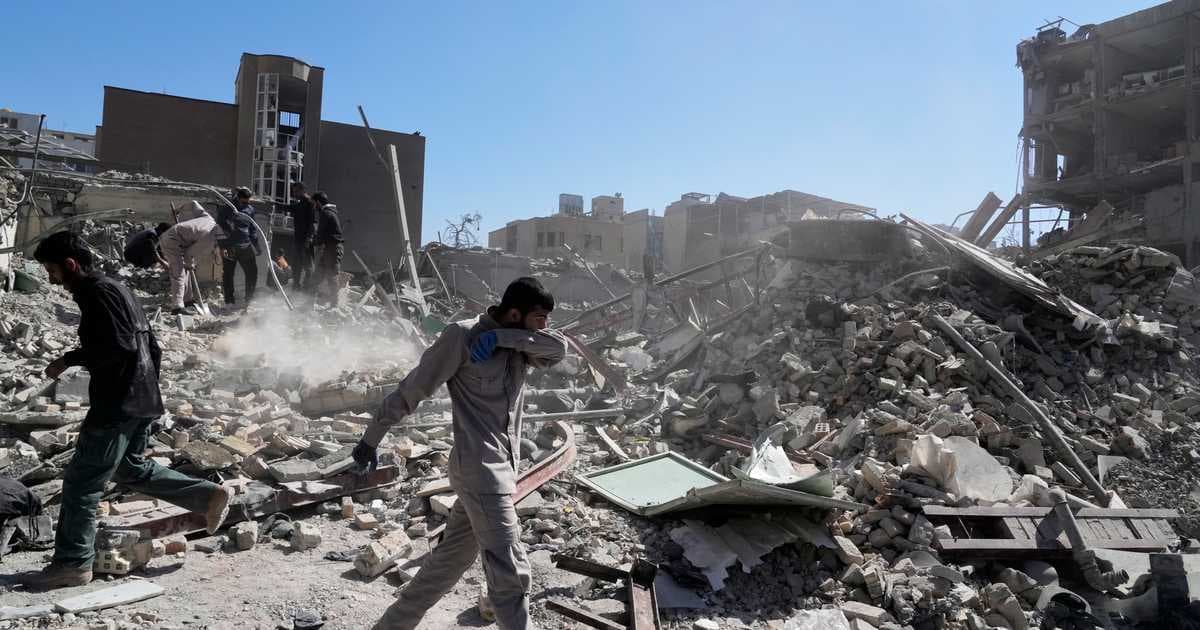
The article highlights a separate, highly consequential episode: a strike that killed scores of children at an Iranian elementary school is under Pentagon investigation.
CNN says evidence increasingly points toward the United States.
Fox host Laura Ingraham urged the administration to 'wrap its investigation and address [it] head-on.'
U.S. political fallout
The conflict poses political risks across the US political spectrum and the administration has struggled to present a consistent justification.
“The war with Iran is now beginning its second full week, with no signs of de-escalation or conclusion on the horizon”
CNN outlines a progression of rationales — that Iran was close to bomb material, that it was close to an ICBM that could hit the US, that Israel would strike Iran and then Iran would hit US targets, and that Iran intended to strike the US regardless.
CNN notes President Trump told ABC that Iran’s "plan was to attack the entire Middle East, to take over the entire Middle East."
The article calls many of these claims dubious and notes US intelligence does not back the ICBM assertion and that Trump previously said he had "obliterated" Iran’s nuclear program nine months ago.
Partisan cohesion is uncertain: CNN reports Republican support may be soft, with 77% supporting the recent strikes but only 37% supporting them "strongly."
Some right-wing figures have raised opposition and Democrats are divided over how to respond and whether to fund the war.
The piece warns that US support for Israel — already declining, per a Gallup poll the day before the war — complicates the calculus of going to war alongside Israel at this moment.
More on Iran-Israel

Escalation in Iran Pushes Oil Near $120, Sparks Gas Price Surge in Los Angeles
10 sources compared
U.S. Intercepts Iran Message Activating Sleeper Cells After U.S.-Israel Strike Kills Khamenei
14 sources compared

Iran Threatens To Confiscate Property Of Iranians Abroad Who Support US And Israel
14 sources compared
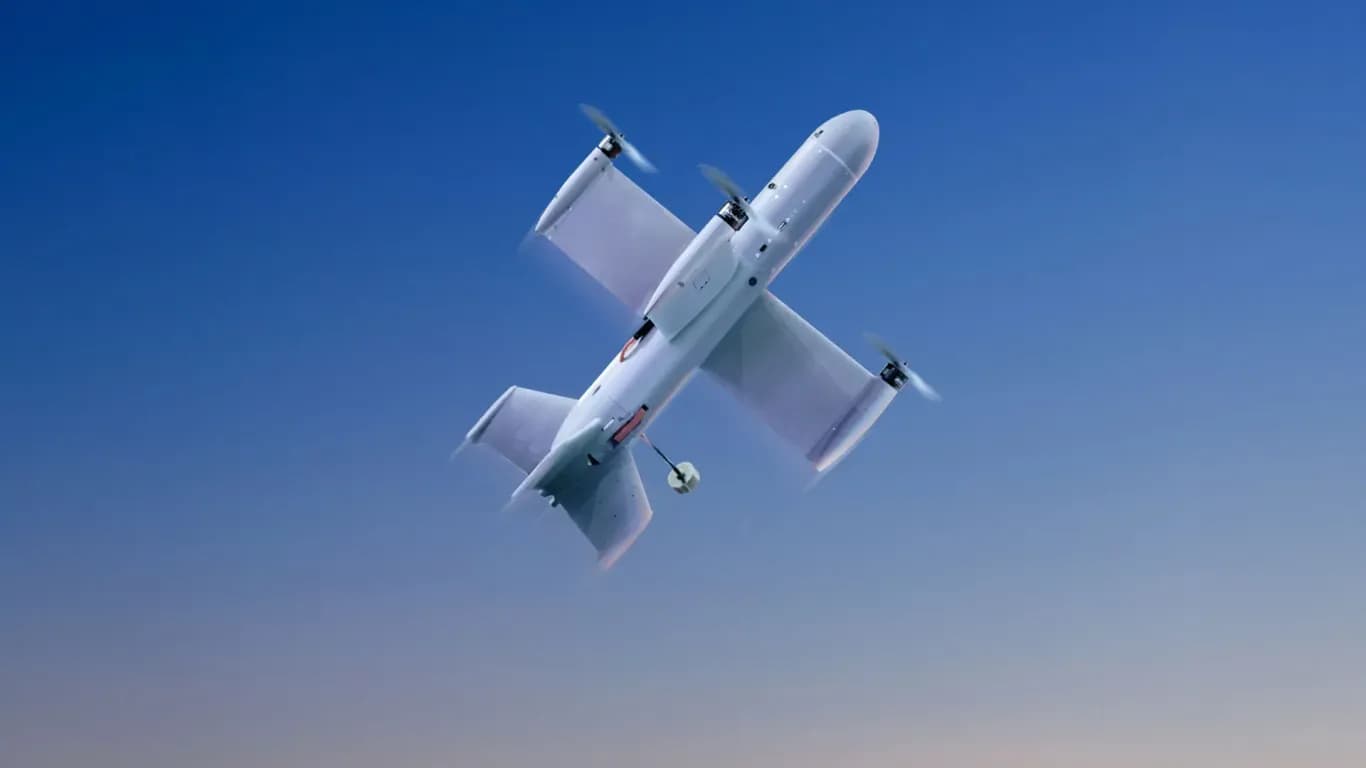
Ukraine Sends Drones, Experts to Shield U.S. Bases in Jordan From Iran
16 sources compared