
Escalation in Iran Pushes Oil Near $120, Sparks Gas Price Surge in Los Angeles
Oil surge amid Iran fighting
Oil prices surged sharply as fighting involving Iran escalated.
“Oil prices surged to their highest levels in nearly three years as escalating conflict in the Middle East disrupted energy supplies and triggered fears of a major global shock to oil markets”
The surge briefly pushed Brent and WTI toward $120 a barrel.
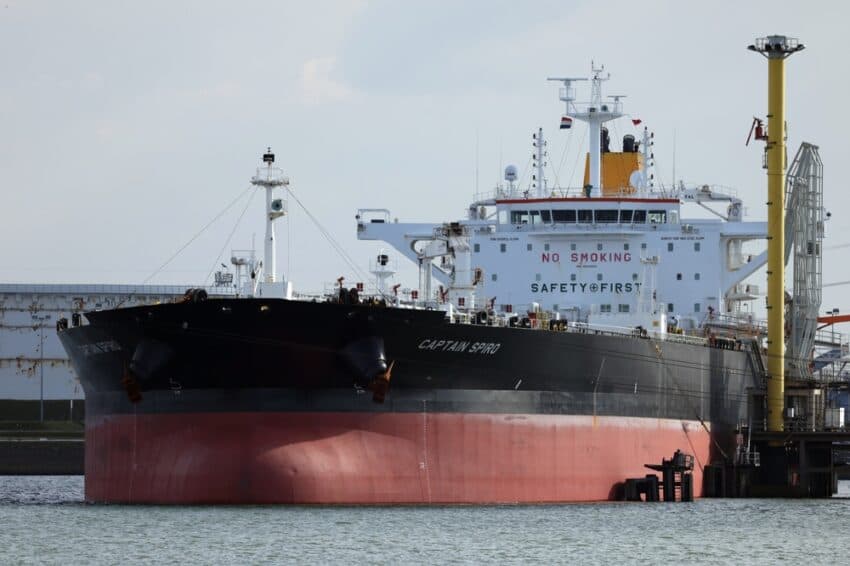
Multiple outlets reported one-day jumps that put crude at its highest levels since mid-2022.
Brent and WTI briefly approached or hit about $119.50 and $119.48 respectively before some easing.
The move came amid fears that clashes between Iran and a U.S.-Israeli alliance and attendant attacks on regional infrastructure would choke supplies and shipping routes.
Analysts and markets cited the Strait of Hormuz and reported strikes on oil facilities as immediate drivers of the spike.
Commentators noted the extraordinary speed and scale of the move compared with recent years.
Oil market disruptions
Markets pointed to disruption risks around the Strait of Hormuz, attacks on regional oil infrastructure and precautionary production cuts as the main supply-side channels amplifying the shock.
Several reports highlighted that tanker movements and shipping schedules were affected, while some Gulf producers either cut output or faced logistical/storage pressures; futures and active trading amplified the price moves as traders hedged and speculated on tighter supply.
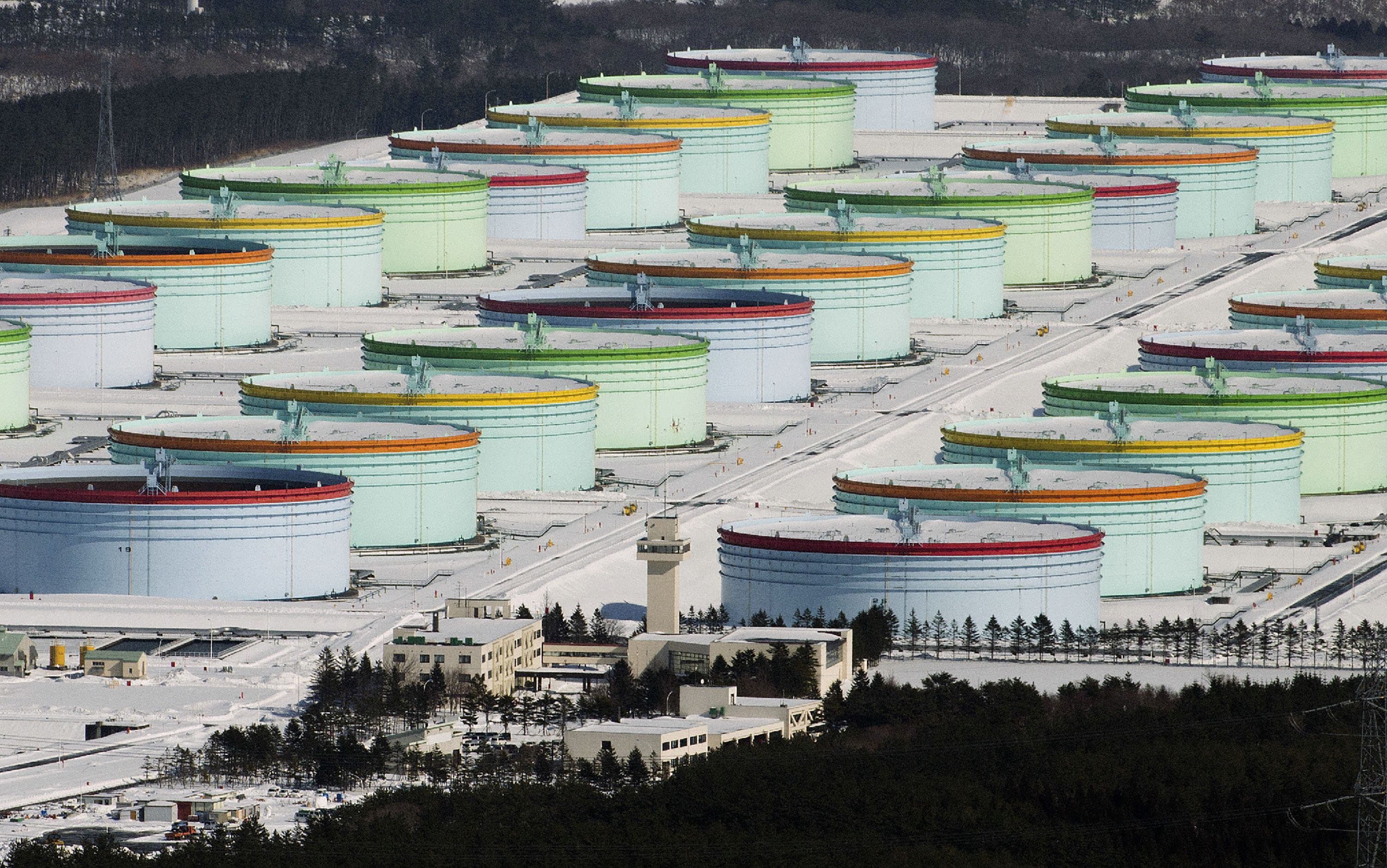
Market effects of oil shock
The crude shock rippled across other markets and threatened to worsen inflation and growth prospects.
“Middle East Tensions Ignite Global Oil Price Surge Oil prices surged near $120 per barrel amidst the escalation of conflict in Iran affecting Middle East oil production”
Coverage recorded impacts beyond fuel: vegetable oils, grains and metals jumped, while gold and the dollar moved as investors reassessed risk.
Commentators warned that higher energy costs would raise production costs, complicate central-bank policy and slow growth.
Analysts cautioned there was no clear 'offramp' if the conflict persisted, and some suggested oil could remain elevated for months with resistance levels around $125–$130 if disruptions continued.
Crude shock and gas prices
The jump in crude quickly translated into higher retail gasoline prices in places like Los Angeles, where local pumps began reacting to the global shock.
Local reporting tied the city's rising gas costs directly to escalating Middle East tensions and to market fears about supply interruptions.

This pattern is consistent with analysts' warnings that even short-term disruptions can feed through to consumer fuel prices and local inflation.
Energy markets and geopolitics
Policymakers and officials were reported to be coordinating emergency responses.
“- Oil prices surge over 25% amid Iran conflict, shipping fears”
G7 leaders, finance ministers and international agencies discussed releasing strategic reserves and other measures to calm markets.

Analysts noted political and security developments — including reported leadership changes in Iran and targeted strikes — that hardened expectations of a prolonged disruption.
Coverage therefore combined immediate market moves with acute geopolitical uncertainty, leaving investors and consumers facing a potentially prolonged period of higher energy costs unless coordinated policy actions reduce the risk premium.
Key Takeaways
- Global oil prices surged toward $120 per barrel amid escalating Iran-related Middle East conflict
- Strait of Hormuz disruptions and regional output cuts tightened supply, fueling the price spike
- G7 and IEA officials discussed coordinated emergency petroleum reserve releases to calm markets
More on Iran-Israel
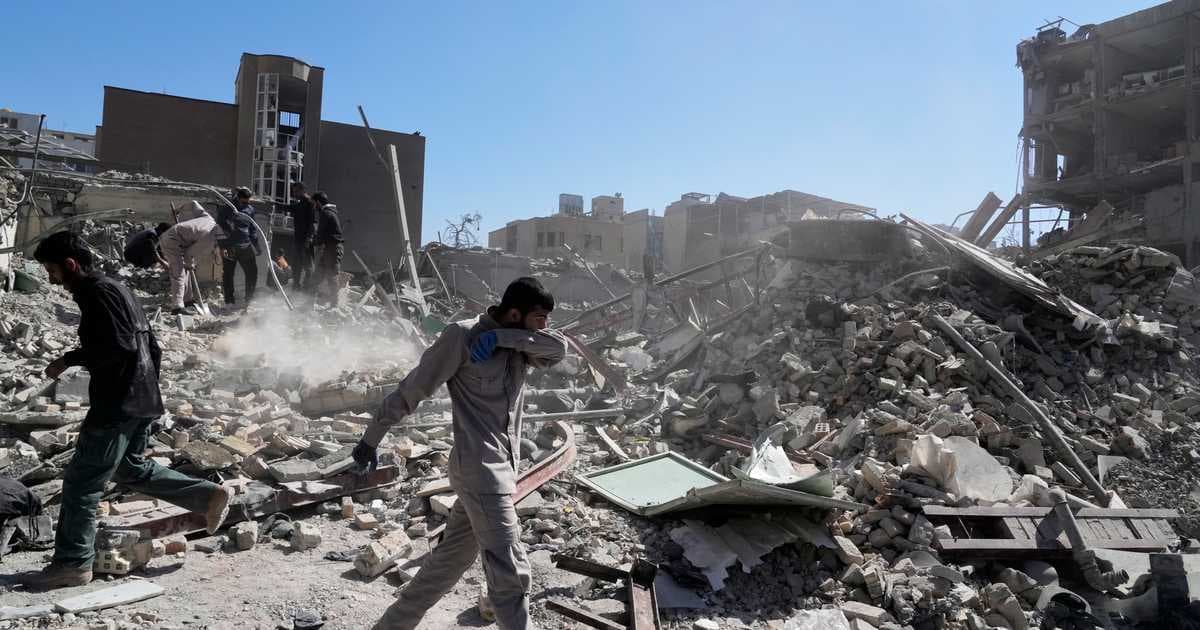
U.S. Intercepts Iran Message Activating Sleeper Cells After U.S.-Israel Strike Kills Khamenei
14 sources compared

Iran Threatens To Confiscate Property Of Iranians Abroad Who Support US And Israel
14 sources compared

Israel Bombs Tehran Oil Depots, Blankets Capital With Toxic Black Smoke and Oil Rain
11 sources compared

U.S. and Israel Kill Iran's Supreme Leader, Trigger Regional War
49 sources compared