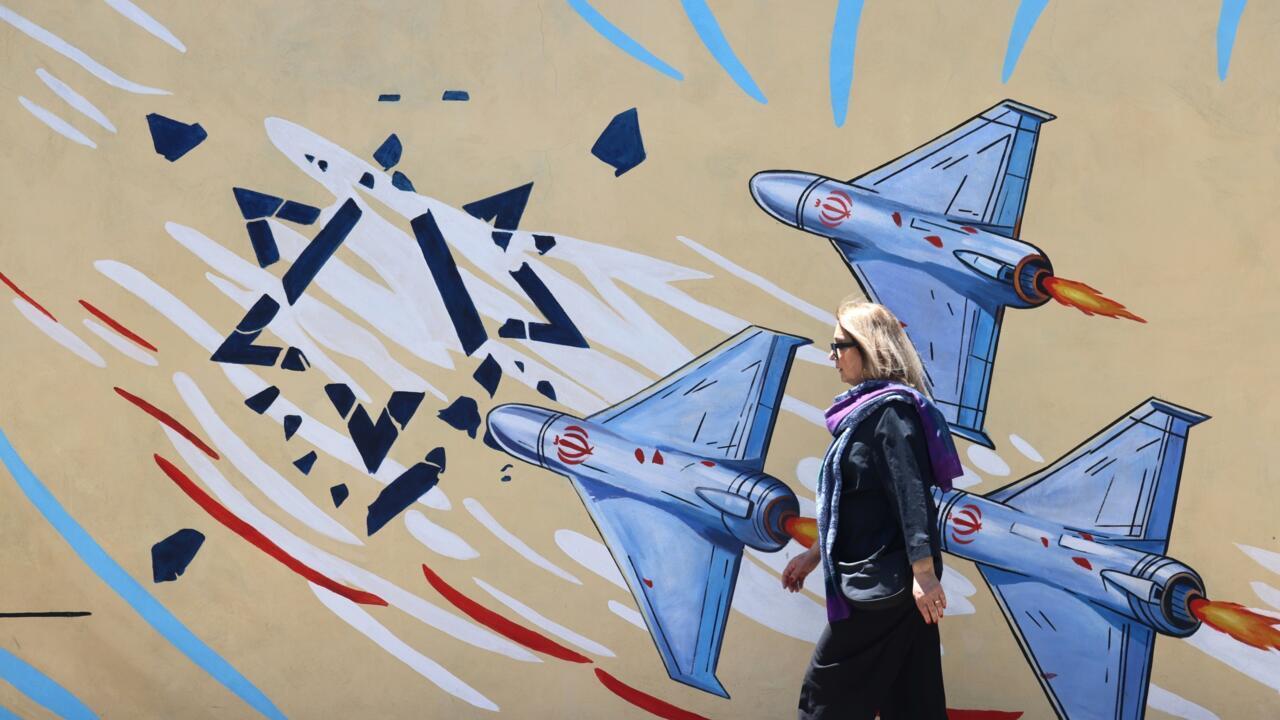
Abbas Araghchi Holds Talks With Saudi, Pakistan Officials After Iran Missile Barrages Toward Northern Israel
Key Takeaways
- Araghchi spoke with Saudi and Pakistani officials after Iran's missile response to Lebanon ceasefire violations.
- He held calls with Qatar, France, UK, and Egypt on regional tensions.
- Discussions centered on Iran's response to Israeli actions in Lebanon and broader regional developments.
Iran, Israel ceasefire clash
Iran’s foreign minister Abbas Araghchi held talks with senior officials after Iran’s military response to what Tehran described as Israeli ceasefire violations in Lebanon, with Anadolu Ajansı saying the discussions followed Iran’s “military response” to the Lebanese front.
“Iran’s foreign minister holds talks with Saudi, Pakistani officials after response to Israeli actions in Lebanon Abbas Araghchi discusses regional developments with counterparts and senior officials following Iran’s military response to Israeli ceasefire violations Mohammad Sio and Tarek Chouiref 08 June 2026•Update: 08 June 2026 ISTANBUL Iranian Foreign Minister Abbas Araghchi held talks late Sunday and early Monday with senior officials from Pakistan, Saudi Arabia, Egypt, Qatar and France on regional developments following Iran’s military response to what Tehran described as Israeli ceasefire violations in Lebanon”
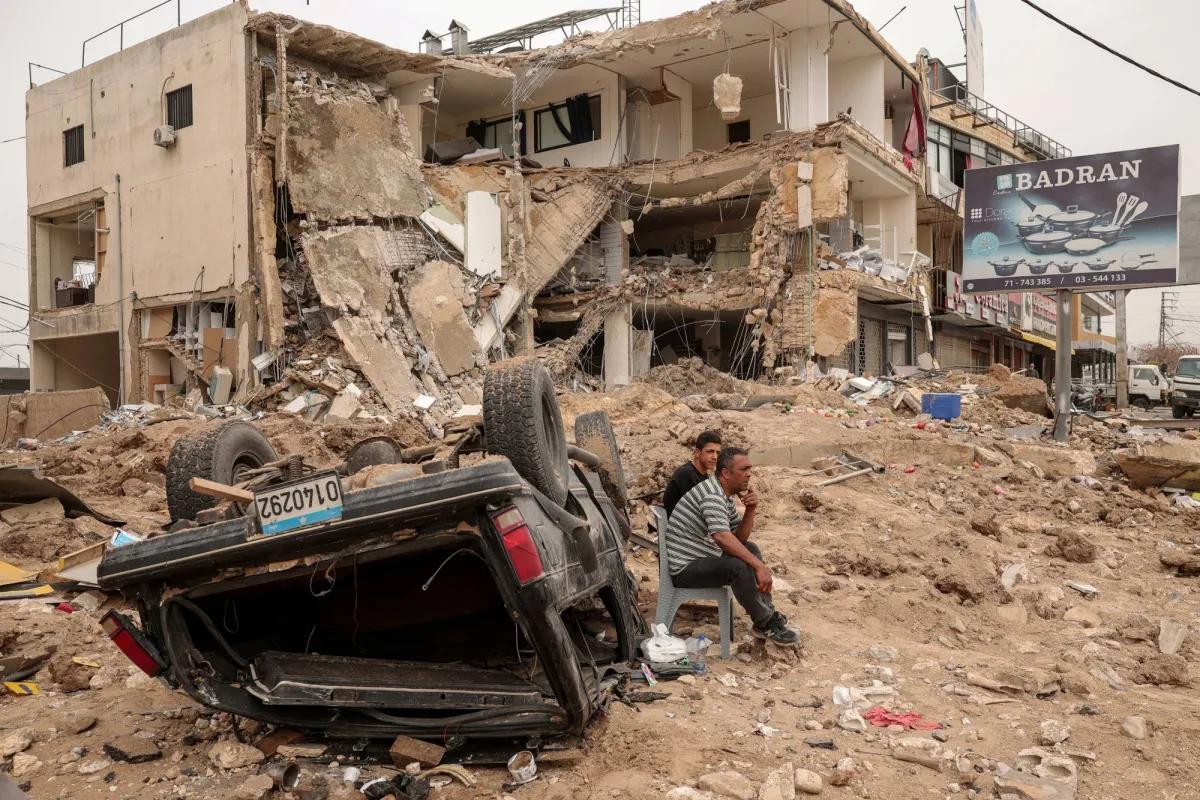
Anadolu Ajansı reported that Araghchi spoke by phone with Pakistan’s Army Chief Field Marshal Asim Munir shortly after Iran launched multiple missile barrages toward northern Israel following an Israeli airstrike on Beirut’s southern suburbs that killed at least two people and injured 11.

The same Anadolu Ajansı account said Araghchi later held separate phone calls with Egyptian Foreign Minister Badr Abdelatty, Qatari Prime Minister and Foreign Minister Sheikh Mohammed bin Abdulrahman Al Thani, and French Foreign Minister Jean-Noel Barrot.
Anadolu Ajansı also said Iran’s Foreign Ministry stated early Monday that Araghchi spoke by phone with Saudi Foreign Minister Faisal bin Farhan al Saud about Iran’s armed forces’ response to what Tehran described as violations of the April 8 ceasefire agreement and continuing Israeli actions against Lebanon and the wider region.
WANA News Agency added that the discussions took place shortly after Iran’s Islamic Revolutionary Guard Corps (IRGC) announced it had targeted the Ramat David Airbase with ballistic missiles, describing the strike as carried out in response to large-scale Israeli attacks in southern Lebanon and the southern suburbs of Beirut.
Diplomatic calls and rebuttals
Kurdistan24 described a war of words between Tehran and Beirut after Araghchi rebuked Lebanese President Joseph Aoun, urging him to focus on confronting Israel rather than blaming Iran for Lebanon’s crisis.
Kurdistan24 quoted Araghchi writing on X: "Save Lebanon from your real enemy, Mr. President."
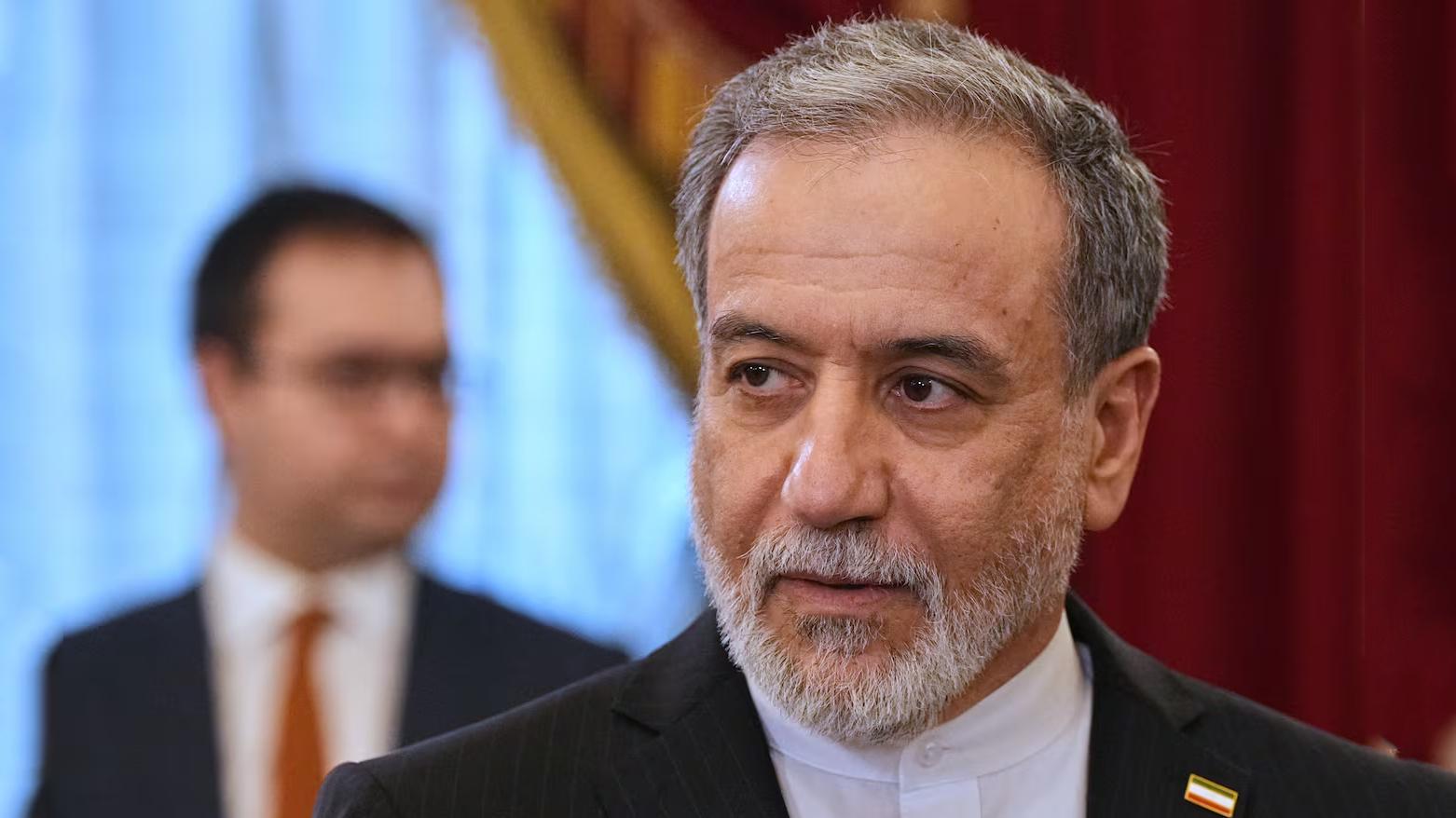
Kurdistan24 also quoted Aoun from an interview with CNN, saying: "This is not your country; it is our country. Your duty is not to interfere in our affairs."
In parallel, Anadolu Ajansı said Araghchi’s talks addressed regional developments and Iran’s response to repeated Israeli violations of the ceasefire on the Lebanese front, and it noted that Pakistan had played a mediating role between Tehran and Washington since the outbreak of the Iran-US conflict on Feb. 28.
WANA News Agency said the IRGC statement accused the United States and Israel of failing to uphold their commitments, citing continued military operations in Lebanon and repeated incidents involving Iranian vessels in the Strait of Hormuz, the Gulf of Oman, and the Indian Ocean.
What’s at stake next
Anadolu Ajansı said the Iranian attack marked the first such bombardment since the fragile ceasefire took effect, and it described a temporary ceasefire reached on April 8 through Pakistani mediation that later stalled amid disputes over implementation and subsequent regional developments.
“Araghchi discussed and consulted with Jean-Noël Barrot and Sheikh Mohammed bin Abdulrahman Al Thani, the Foreign Ministers of France and Qatar in separate phone calls, about the response of the Islamic Republic of Iran to the repeated violations of the ceasefire on the Lebanese front by the Zionist regime and the latest regional developments”
WANA News Agency reported that the IRGC said Iran’s acceptance of a ceasefire on April 8 was conditional upon a cessation of hostilities across all fronts, and it warned that any further violations would prompt a broader response targeting what it referred to as U.S. and Israeli interests across the region.
WANA News Agency also cited Araghchi’s earlier X post on June 1, saying the ceasefire between Iran and the United States applied to all fronts, including Lebanon, and that a violation in any theater would be considered a violation of the ceasefire as a whole.
Anadolu Ajansı reported that Araghchi’s calls with Saudi Foreign Minister Faisal bin Farhan al Saud discussed the Iranian armed forces’ response to what Tehran described as violations of the April 8 ceasefire agreement and continuing Israeli actions against Lebanon and the wider region.
Mehr News Agency framed the immediate operational risk by saying Iran responded to Israel’s “criminal aggression in Lebanon in southern Lebanon and Beirut’s Dahiyeh” on Sunday evening by firing dozens of missiles and warning that if Israeli attacks on Lebanon continued, there would be more “crushing reponses.”
More on Lebanon
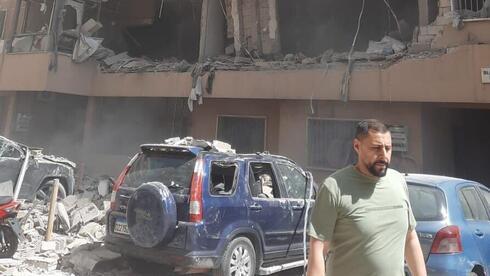
Israel Strikes Beirut’s Southern Suburbs, Killing Two After Hezbollah Fires
37 sources compared

Iran’s IRGC Launches Ballistic Missiles at Israel’s Ramat David Airbase After Beirut Strike
13 sources compared
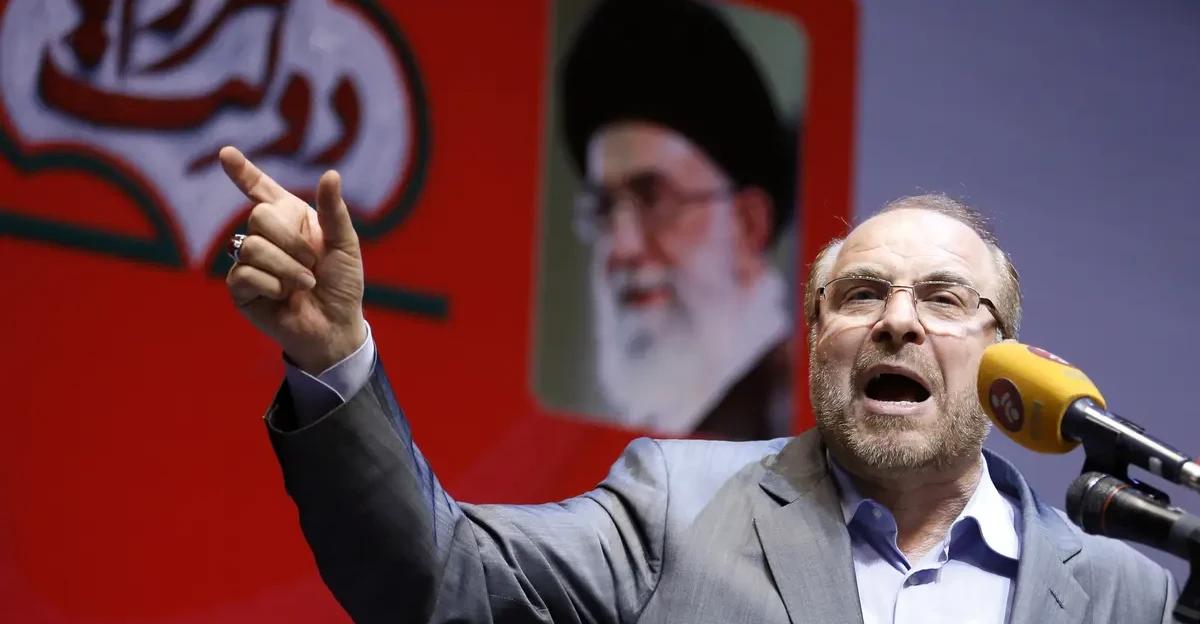
Iran Warns It Will Respond With Force After Israeli Strikes Hit Beirut’s Dahiyeh
14 sources compared
Macron and Nawaf Salam Say Lebanon’s Sovereignty Requires Exclusive Arms Control and Israel’s Withdrawal
13 sources compared