Full story
Araghchi in Russia
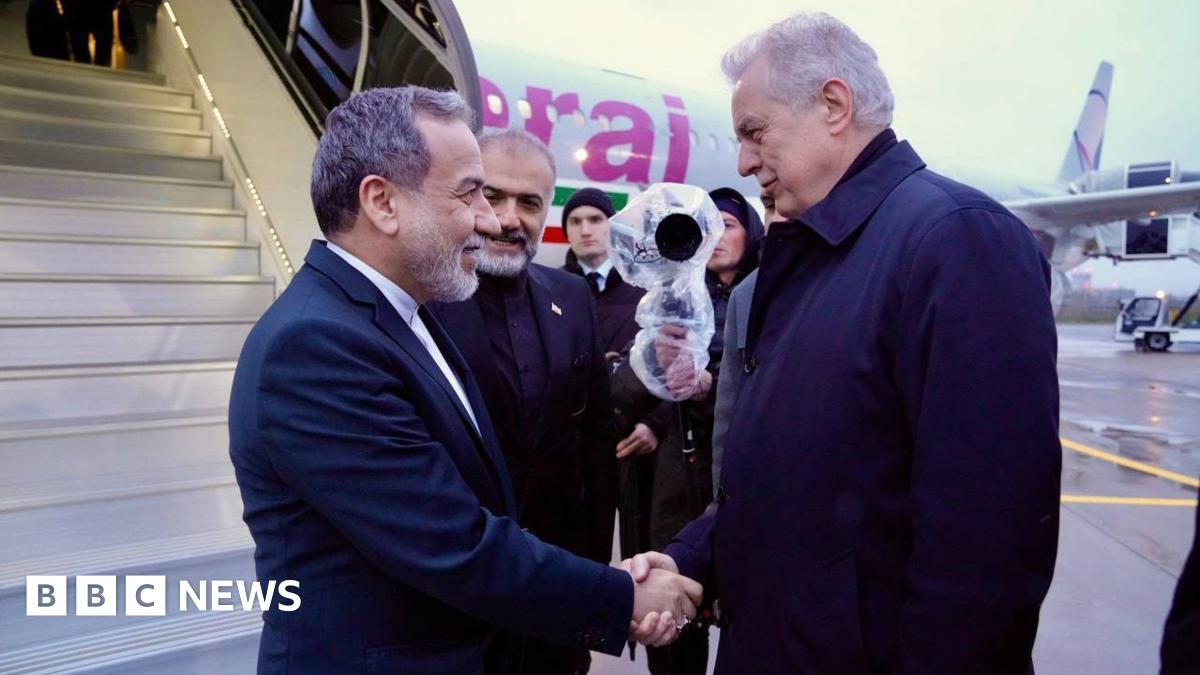
Iran’s foreign minister Abbas Araghchi arrived in Russia for talks with President Vladimir Putin as US-Iran negotiations remained stalled, according to Al Jazeera and CBS News.
Al Jazeera said Araghchi blamed the US for the apparent lack of progress in talks to end the US-Israel war on Iran, as he arrived in Russia for a meeting with Putin.

CBS News reported that Araghchi returned to Islamabad on Sunday, where he participated in talks focused on ending the war with the US, and that Iranian state media described his subsequent travel.
CBS News also quoted Araghchi blaming the US for the failure of peace talks in Pakistan, saying the “U.S. approaches caused the previous round of negotiations, despite progress, to fail to reach its goals because of the excessive demands.”
The same CBS News report said Araghchi met with Pakistan’s army chief, Asim Munir, during his time in Pakistan.
CNN added that Araghchi landed in Russia to meet Putin and discuss the status of negotiations after visiting mediators in Pakistan and Oman, and it said Araghchi would also meet his Russian counterpart Sergey Lavrov.
CNN further reported that Araghchi said it was not clear if Washington was “truly serious about diplomacy” after Trump scrapped plans for his envoys to visit Pakistan.
Trump’s phone offer
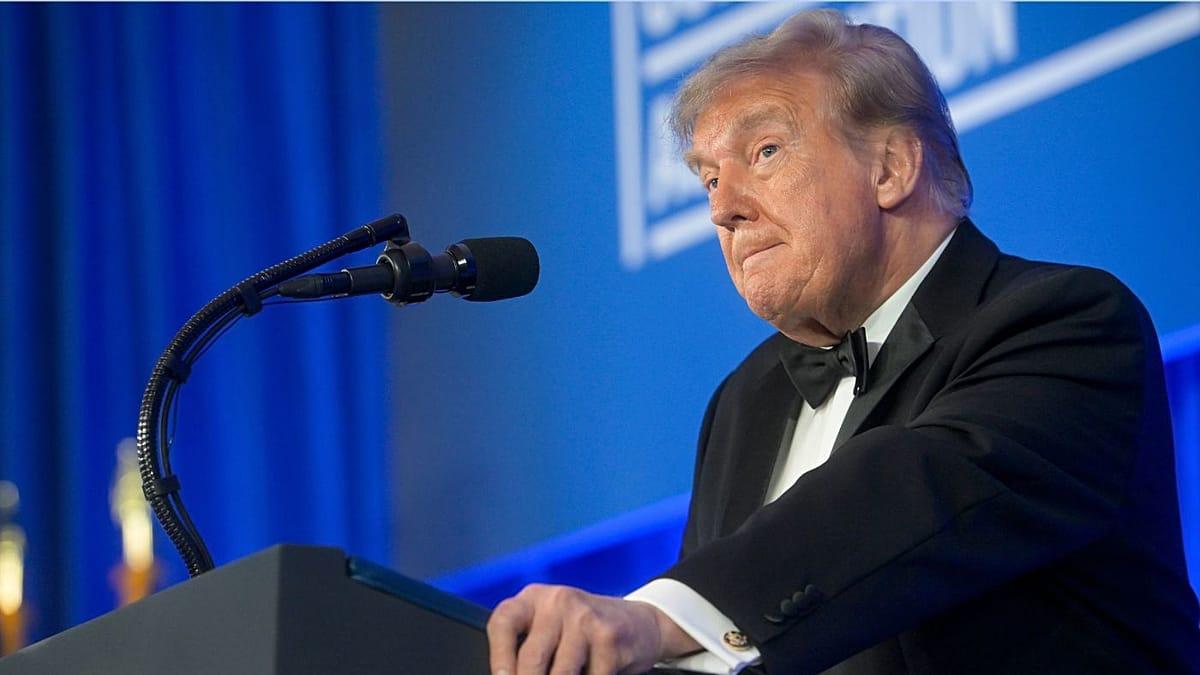
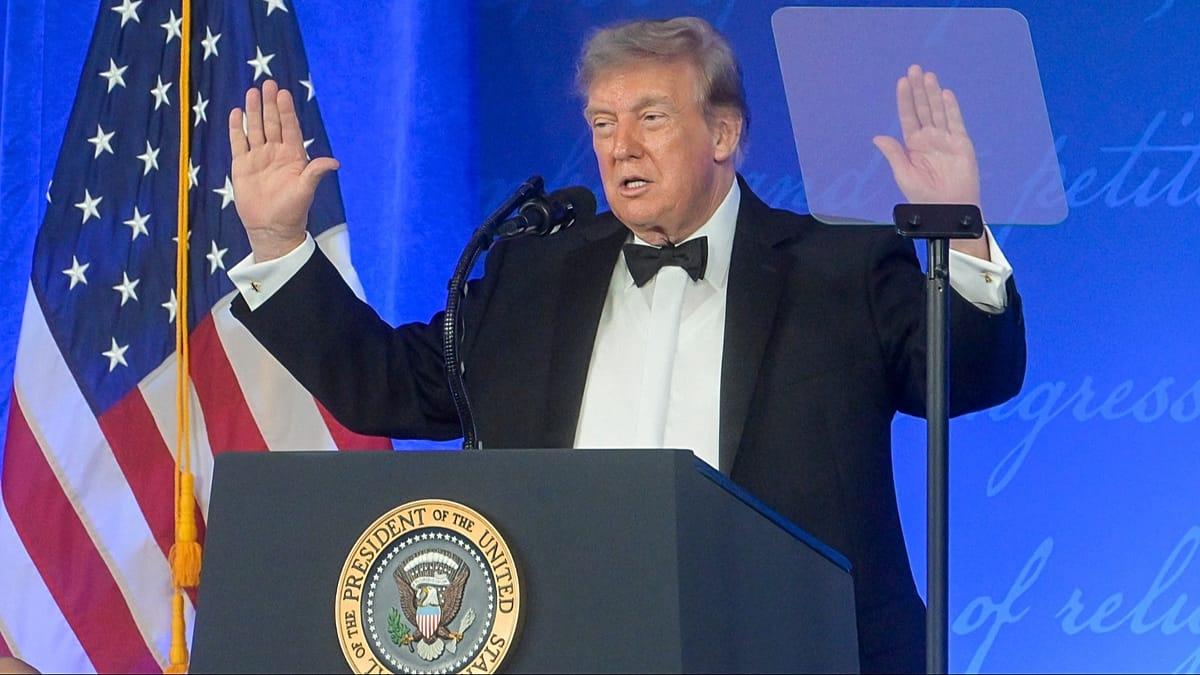
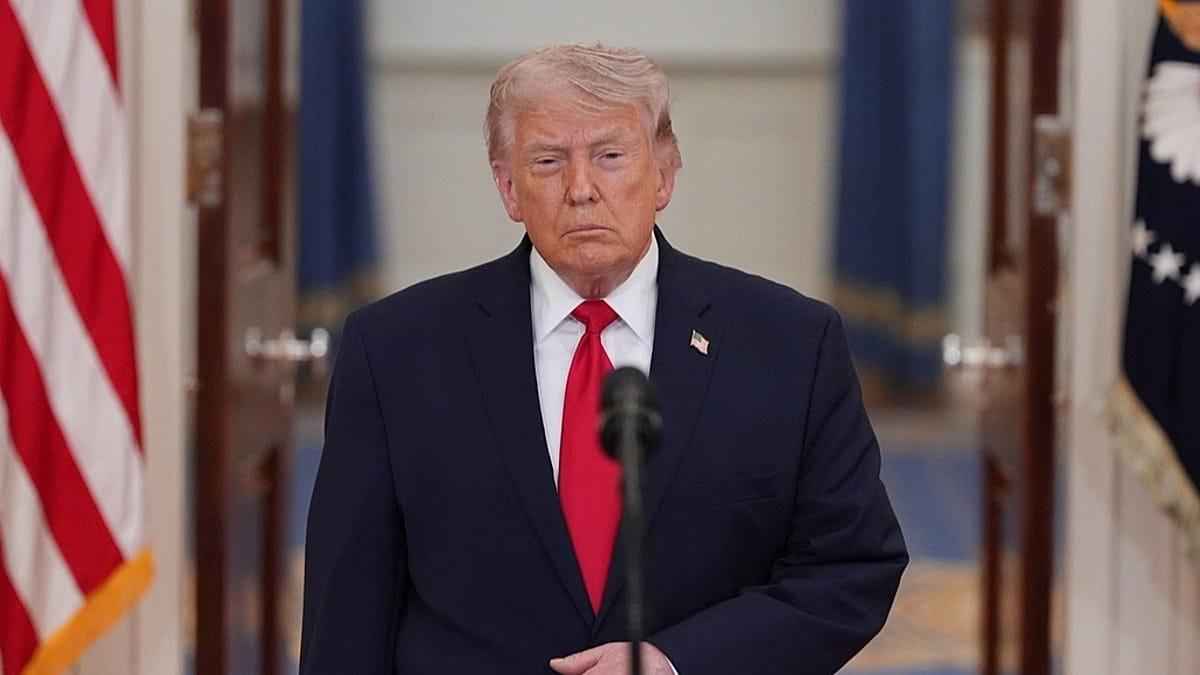
While Araghchi traveled, US President Donald Trump said any possible Iran talks could take place by telephone rather than through another envoy trip, and he tied that to his decision to cancel a planned visit to Pakistan.
CBS News reported that Trump said Sunday that “any possible Iran talks can take place over the phone,” adding, “If they want to talk, they can come to us, or they can call us.”

CBS News also included Trump’s explanation that “we're not sending people to travel 18 hours to meet.”
The Jerusalem Post similarly quoted Trump telling “The Sunday Briefing” on Fox News, “If they want to talk, they can come to us, or they can call us. You know, there is a telephone. We have nice, secure lines.”
The Jerusalem Post said Trump linked negotiations to a condition that “They cannot have a nuclear weapon; otherwise, there's no reason to meet,” and it described disputes over Iran’s nuclear ambitions and access through the Strait of Hormuz.
CNN reported that Trump reiterated that the war could “come to an end very soon,” and it said Trump defended canceling his envoys’ planned trip to Pakistan by saying Iranian authorities “can call” if they want to talk.
France 24, with AFP, AP and Reuters, also carried the point that Trump said Iran can reach out by telephone if it wants to negotiate an end to the war.
Strait of Hormuz and oil
The Strait of Hormuz and the US blockade of Iranian ports remained central to the diplomatic and economic picture described across multiple outlets, with Araghchi and other officials emphasizing safe passage and reopening sea lanes.
CBS News reported that Araghchi said “safe passage through the Strait of Hormuz is an important global issue,” as the US and Iran continue rival blockades of the vital waterway.
CBS News also said oil prices rose as Pakistan talks failed to materialize, with West Texas Intermediate at $96.50 a barrel Sunday, up 2% since the market closed on Friday, and Brent crude trading at $107.75 per barrel Sunday, up about 3% since Friday.
CBS News further stated that the price was 44% higher than before the start of the Iran war, when oil was selling for about $67 a barrel, and that Brent was 48% higher than when the war began, when oil was selling for $72 a barrel.
CNN added that shipping through Hormuz remained near-standstill, saying vessel traffic was “still severely reduced compared to pre-war levels,” and it cited MarineTraffic data showing only a handful of crossings reported Sunday.
The Jerusalem Post described Tehran as having “largely closed the strait while Washington has imposed a blockade of Iranian ports,” and it said the strait normally carries “a fifth of global oil shipments.”
Rigzone reported that Araghchi said he needed to coordinate with Russian officials after the US-Israeli military campaign disrupted bilateral meetings, and it described an interim proposal that would reopen the Strait of Hormuz in exchange for Washington ending its blockade of Iranian ports.
Mediators and competing proposals
Across the reporting, mediators in Pakistan and Oman repeatedly appear as the channels through which the US and Iran tried to communicate, even as direct engagement broke down.
CBS News said Araghchi’s regional tour included two stops in Pakistan and a visit to Oman, which shares the Strait of Hormuz with the Islamic Republic, and it said Iranian state-run IRNA reported the tour.
It also said that Iranian foreign minister’s calls with counterparts in France and Qatar occurred on Sunday, including a phone call with French Foreign Minister Jean Noel-Barrot about the ceasefire agreement between the U.S. and Iran and diplomatic efforts to end the war, according to Tasnim News.
CBS News reported that Qatari Prime Minister and Foreign Minister Sheikh Mohammed bin Abdulrahman bin Jassim Al-Thani pressed for continued mediation and the reopening of the Strait of Hormuz, and it quoted the Qatari ministry saying the call “discussed efforts to achieve peace and enhance security and stability in the region.”
The Jerusalem Post said Araghchi shuttled to and from mediators Pakistan and Oman on Sunday before flying to Russia, and it described the two sides as still far apart on issues including Iran’s nuclear ambitions and access through the Strait of Hormuz.
Rigzone added that Iran told Pakistan negotiations over Iran’s nuclear program could be dealt with later, and it said Axios reported Tehran was signaling willingness to accept an interim deal in which Tehran reopens the Strait of Hormuz in exchange for Washington ending its blockade of Iranian ports.
CNN described the same diplomatic pattern, saying Araghchi visited key mediators in Pakistan and Oman before landing in Russia, and it said the US-Iran talks were stalled after Iran declined to meet directly with American negotiators amid tensions over the Strait of Hormuz.
Lebanon ceasefire pressure
While the Iran diplomacy unfolded, the sources also tied the broader regional conflict to ongoing ceasefire disputes in Lebanon, with Iran-backed Hezbollah and Israel trading accusations of truce violations.
BBC reported that in parts of southern Lebanon, “a ceasefire by name only” was in effect, and it said Israeli air strikes continued, with “On Sunday alone 14 people were killed.”

BBC said residents were forced to flee after the Israeli military issued an evacuation warning for seven towns outside the area it currently occupies, and it described Israel’s stated rationale as acting in response to what it described as violations of the deal by Hezbollah.
BBC also said the deal’s text gives Israel the “right to take all necessary measures in self-defence, at any time, against planned, imminent, or ongoing attacks,” and it noted that the deal does not stipulate withdrawal of Israeli troops that occupy around 5% of Lebanon’s territory.
France 24 reported that Lebanese President Joseph Aoun said he will not accept a “humiliating agreement” with Israel and accused those who drew Lebanon into war of “treason,” while it said Hezbollah accused Israel of violating the ceasefire and warned violations would be met with resistance.
The Jerusalem Post added that in Lebanon, Israeli strikes killed 14 people and wounded 37 on Sunday, citing the health ministry, and it said the Israeli military warned residents to leave seven towns beyond the “buffer zone” it occupied before a ceasefire that has failed to fully halt hostilities.
BBC further said the Israeli military said on Sunday a soldier had been killed inside Lebanon in a drone attack by Hezbollah.