Iran27 June, 20262 min read
Abbas Araghchi Says Iran Remains Standard-Bearer Against Weapons of Mass Destruction
This article is an automated aggregation of coverage from news outlets. Our editorials offer in-depth analysis curated by the NewsCord team.
Iran remains the standard-bearer in the global fight against weapons of mass destruction. Sardasht chemical bombing anniversary commemorated; calls for accountability for survivors.

Sardasht anniversary message
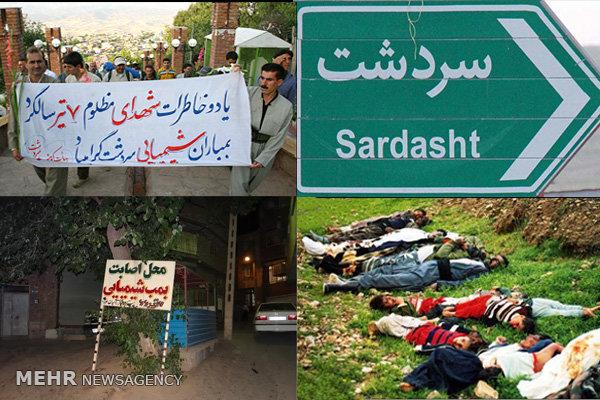
Iran’s Foreign Minister Abbas Araghchi said on Saturday that “Iran remains the standard-bearer in the fight against weapons of mass destruction,” as the country marked the 39th anniversary of the chemical bombing of the city of Sardasht. The commemoration was tied to Iran’s National Day of Combat against Chemical and Biological Weapons, with Araghchi vowing to pursue justice for survivors of chemical attacks.
Araghchi used the Sardasht anniversary to contrast Tehran’s position with the continued support of certain Western governments for aggressive powers, drawing a direct line between the 1987 attack and the recent “sinister aggression” of the United States and Israel against Iran. He said legal and procedural obstacles would not diminish Tehran’s determination to seek accountability, and he argued that chemical attacks during the Iran-Iraq War were enabled by support and silence from some Western governments that helped arm Saddam Hussein’s government with weapons of mass destruction.
Pursuit of accountability
Seyed Abbas Araghchi told the commemoration ceremony that the Ministry of Foreign Affairs has spared and will spare no effort in international forums to identify the humanitarian, social, legal, and human rights dimensions of the Sardasht bombing tragedy. In the message titled “The Burnt Breaths,” Araghchi emphasized that “Sardasht is not just a city; it is the symbol of the innocence of a nation that became the victim of banned weapons.”
Tasnim International News Agency said Araghchi also wrote that Iran, as the largest victim of chemical weapons in modern times, denounces their use in all circumstances and leads efforts to combat weapons of mass destruction. The same Tasnim account said Araghchi added that the pursuit of the rights of Sardasht’s victims and other war crimes in international forums will continue, and that the perpetrators must be held accountable.

Claims of Western complicity
Araghchi’s messages repeatedly linked the Sardasht chemical bombing to what he described as Western support and silence, saying the chemical attacks during the Iran-Iraq War were enabled by support and silence of some Western governments. In the IRNA English account, he said those governments helped arm the government of former Iraqi dictator Saddam Hussein with weapons of mass destruction, and he framed the issue as a contrast between Tehran’s determination to seek accountability and continued backing for aggressive powers.
The Farsnews account said Araghchi argued that “History clearly shows that the support and silence of some Western powers” for arming Saddam’s regime with weapons of mass destruction played an undeniable role in the humanitarian catastrophe. It also stated that Araghchi said those complicit in Saddam’s crimes have “surpassed their counterparts yesterday, and have become direct aggressors,” while he said most governments maintain “their shameful silence” in the face of aggression under what he called the jungle law.