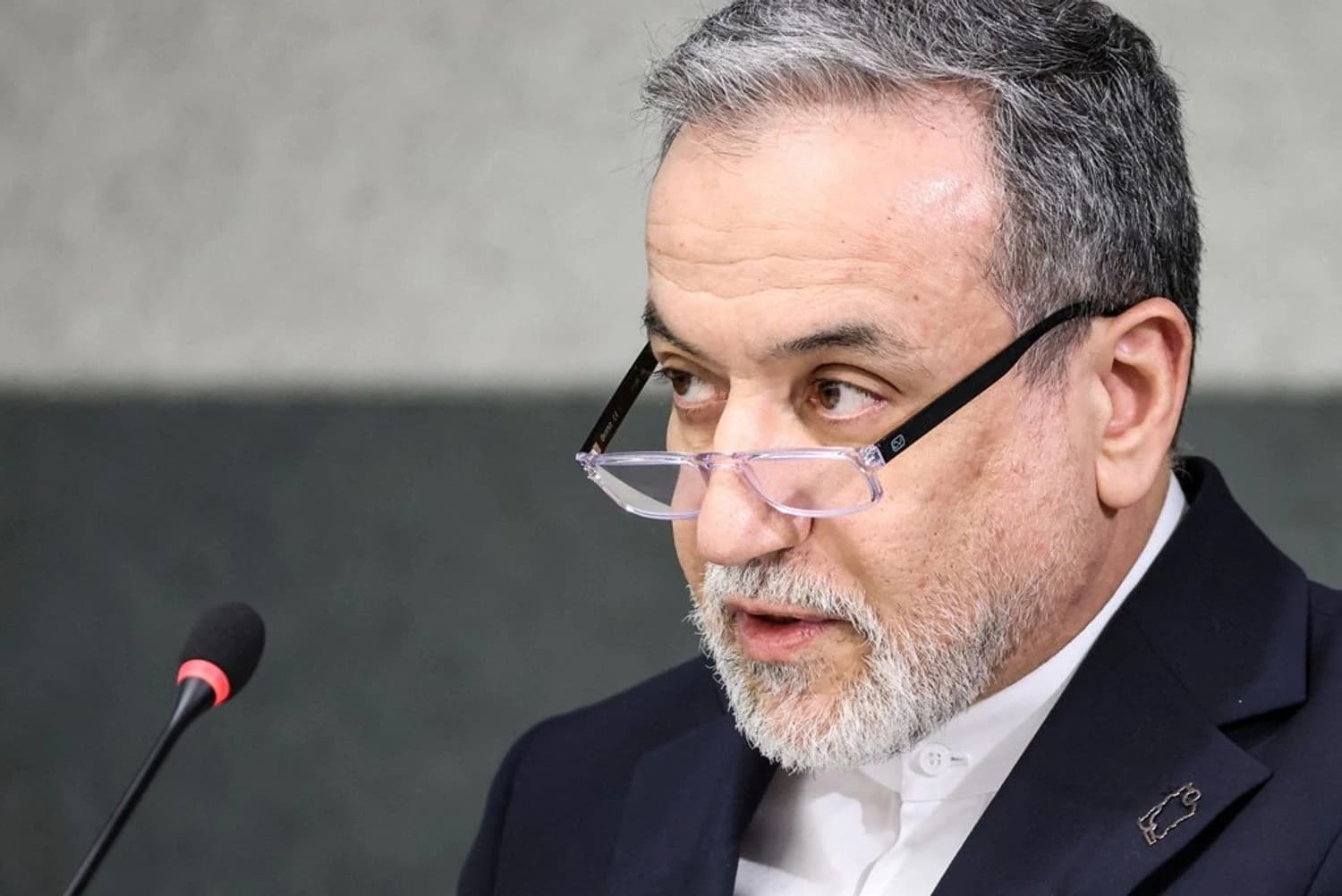
Abbas Araghchi says Leader of the Revolution is in perfect health after Trump doubts
Key Takeaways
- Foreign minister Abbas Araghchi says Mojtaba Khamenei is in perfect health.
- US claims about Mojtaba Khamenei's injury are denied by Iran.
- Mojtaba Khamenei is identified as Iran's new Supreme Leader.
Succession Uncertainty
Amid escalating tensions in the Middle East following the assassination of Iran's former Supreme Leader Ayatollah Ali Khamenei in February 28 strikes, there has been intense speculation regarding the health and status of his successor, Mojtaba Khamenei.
U.S. officials have raised serious doubts about Mojtaba Khamenei's condition, with Secretary of Defense Pete Hegseth claiming he is 'wounded and likely disfigured' and describing Iranian leadership as 'desperate and hiding, gone underground, like that rat used to do.'
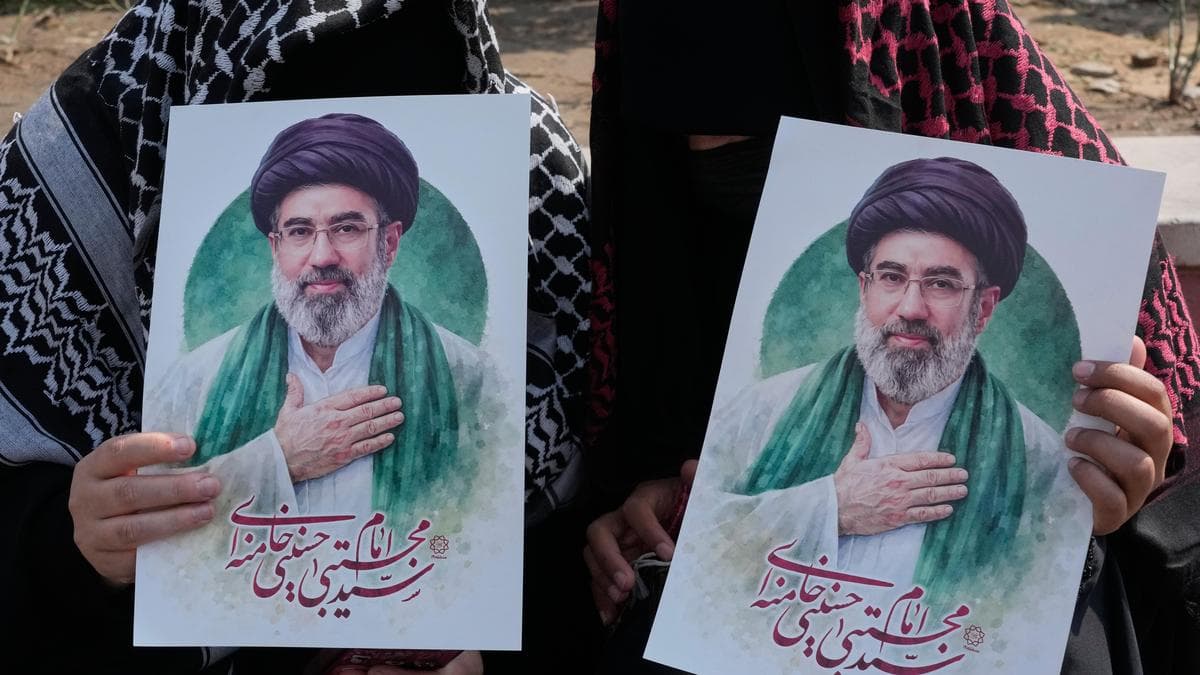
These assertions come as the conflict between the U.S.-Israel alliance and Iran enters its 15th day, following the targeted strikes that eliminated Iran's top leadership on the opening day of military operations.
The uncertainty surrounding Iran's new leadership has created what observers describe as a major 'perception gap' in the region's political landscape.
Official Health Denials
In response to mounting international skepticism, Iranian Foreign Minister Abbas Araghchi has forcefully asserted that the new Leader of the Revolution Mojtaba Khamenei is in 'perfect health' and fully capable of performing his duties.
Araghchi made these declarations through multiple channels, writing on his Telegram channel that 'the Leader of the Revolution is in perfect health and is fully managing the situation,' and repeating similar assurances during an interview with the Al-Araby Al-Jadeed network.

In conversations with Western media, Araghchi told MSNBC's Ayman Mohyeldin that 'there is no problem with the new Supreme Leader. He sent his message yesterday, and he will perform his duties.'
These statements represent Iran's official attempt to project stability and continuity in leadership despite the extraordinary circumstances of succession during wartime and intense international scrutiny.
Health Speculation Patterns
The Iranian government's repeated assertions about Mojtaba Khamenei's health have inadvertently fueled speculation rather than dispelled it, highlighting a well-documented phenomenon in Iranian political culture.
“Claims and counterclaims, disinformation and misinformation are being made online and offline”
Observers note that when Iranian officials repeatedly claim a leader is 'perfectly healthy,' especially without providing recent video evidence, it often triggers public speculation that the leader may actually be incapacitated, in a coma, or even deceased.
The fact that Iran's Foreign Minister felt compelled to personally address and confirm the leader's condition underscores the significant perception gap that has emerged.
This pattern has been observed in previous Iranian leadership transitions, where official health pronouncements sometimes had the opposite effect of intended reassurance, particularly when made during periods of crisis or uncertainty.
False Flag Allegations
Expanding beyond the health controversy, Iranian Foreign Minister Abbas Araghchi has made significant allegations regarding attacks on civilian targets in Arab countries, accusing the United States of conducting a sophisticated 'false flag' operation.
Araghchi claimed that American forces have manufactured a drone called 'Lucas' that is completely identical to Iran's signature Shahed 'kamikaze' drone, which is recognizable by its distinctive lawnmower-like engine sound.
According to Araghchi, this American replica drone is being used to stage attacks on civilian areas in cities such as Dubai and Riyadh, with the apparent purpose of destroying Iran's diplomatic relationships with neighboring countries.
The Iranian minister stressed that 'Iran has so far not targeted any civilian or residential areas in the countries of the region,' positioning these attacks as an attempt to discredit Iran internationally and justify further military intervention.
Diplomatic Peace Conditions
In a bid to manage regional tensions and position Iran diplomatically, Foreign Minister Araghchi has expressed openness to regional initiatives aimed at ending the conflict while outlining specific conditions for any peace settlement.
Araghchi stated that Iran 'is ready to form a committee with regional countries to investigate the targets that have been attacked,' indicating a willingness to engage in transparent verification processes.
While welcoming 'any regional initiative that leads to a just end to the war,' he emphasized that 'so far, no specific initiative to end the war has been proposed.'
The Iranian minister outlined clear prerequisites for peace, including guarantees that such attacks 'will not happen again' and the payment of reparations for damages incurred.
These diplomatic overtures come amid Iran's efforts to maintain relations with neighboring Arab countries while simultaneously confronting the U.S.-Israeli military coalition.
Information Warfare Battle
The ongoing controversy over Iran's leadership health has become intertwined with a broader information warfare campaign between Iran and its adversaries, with both sides engaging in strategic media operations.
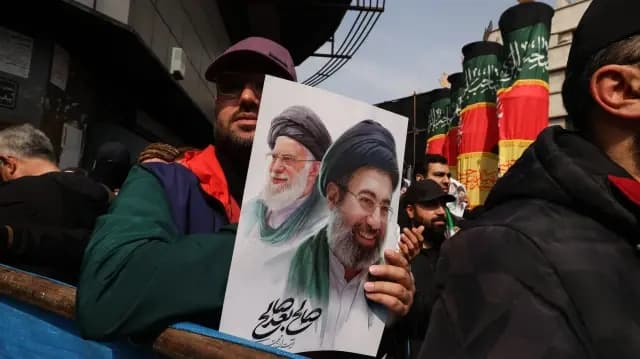
Following U.S. assertions about Iranian leadership being 'cowering like rats,' Iran's state media responded by releasing high-definition footage of top leaders openly walking the streets of Tehran and participating in Quds Day protests.
This broadcast, described as real-time, directly refuted Hegseth's claims that the Iranian regime had lost the capability to communicate or coordinate.
The media confrontation highlights how the conflict extends beyond military operations into the realm of perception management and psychological warfare.
As the war enters its 15th day, the battle for narrative control continues to intensify, with each side attempting to shape international opinion and demonstrate control over the situation despite the unprecedented challenges of leadership transition during active hostilities.
More on Iran
Russia Secretly Airlifts Iran's Supreme Leader Mojtaba Khamenei to Moscow for Surgery
11 sources compared
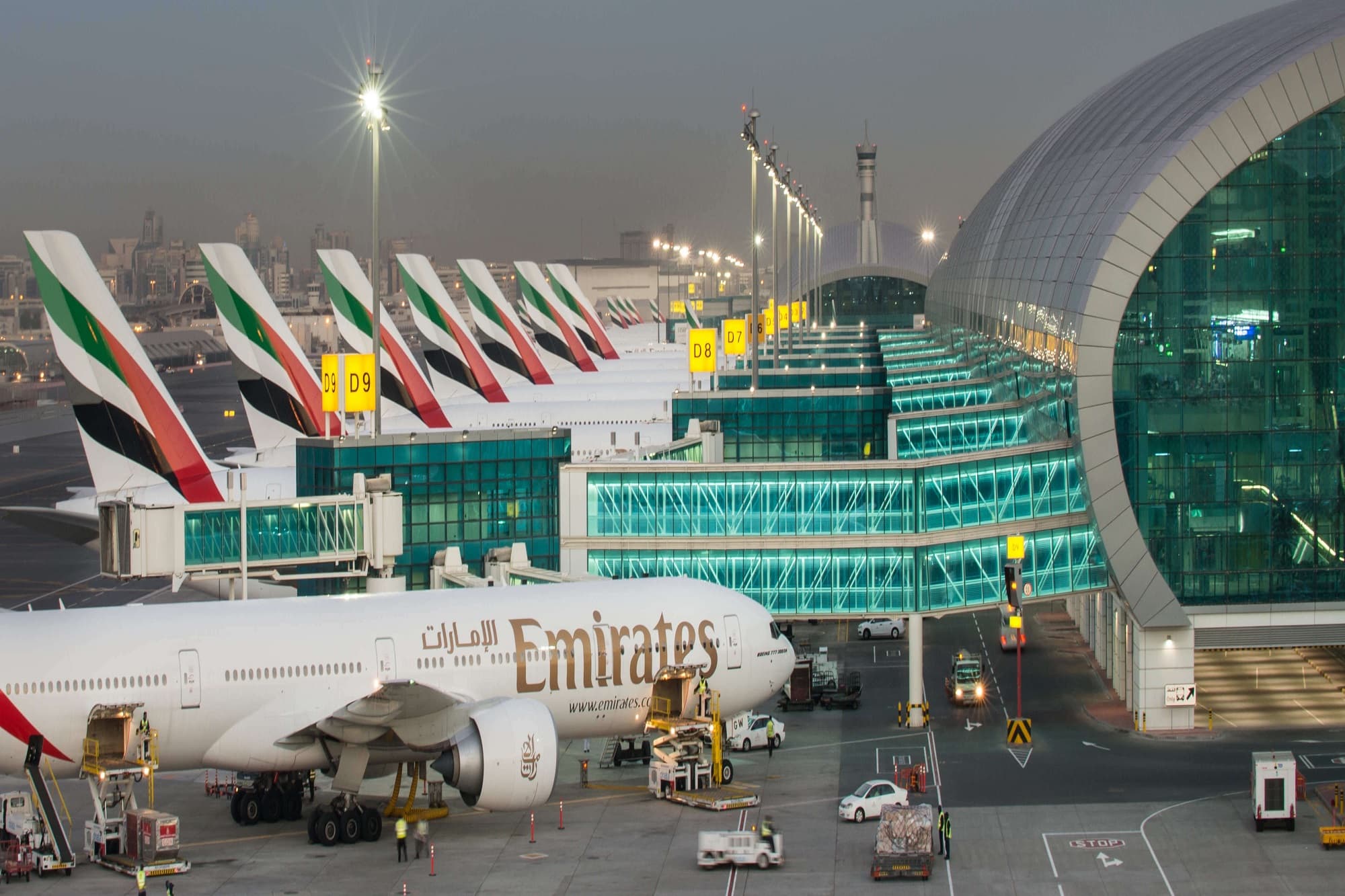
Iranian Drone Strike Shuts Dubai International Airport, Thousands Stranded
25 sources compared

Iran Drone Strike Shuts Dubai International Airport, Triggers Global Travel Disruption
16 sources compared

Iran's New Supreme Leader Mojtaba Khamenei Travels to Moscow for Leg Surgery
15 sources compared