
Activists Rally Outside White House Against War with Iran
Key Takeaways
- Activists gathered outside the White House to protest possible war with Iran.
- Coverage describes the protest as opposition to potential U.S.-Iran war.
- Demonstrators performed visual actions, including dancing and reenactments, near the White House.
White House Protest Overview
Activists gathered outside the White House on March 15, 2026 to protest the escalating tensions and potential war with Iran.
“BREAKING Iran claims attacks on Israel, US bases in Middle EastTrump says allies who rely on Gulf oil must keep Hormuz Strait openIran says US-Israel attacks have killed more than 200 children Click to pause breaking news tickerpause-square-backgroundClose Breaking News Tickerclose Toggle Play Activists rally outside White House against war with Iran Read more Activists gathered outside the White House to protest the war with Iran, reenacting the Minab school strike, a deadly missile attack on a girl’s school in southern Iran that killed more than 170 people during early US-Israeli operations”
Multiple groups representing different perspectives participated in the demonstration.
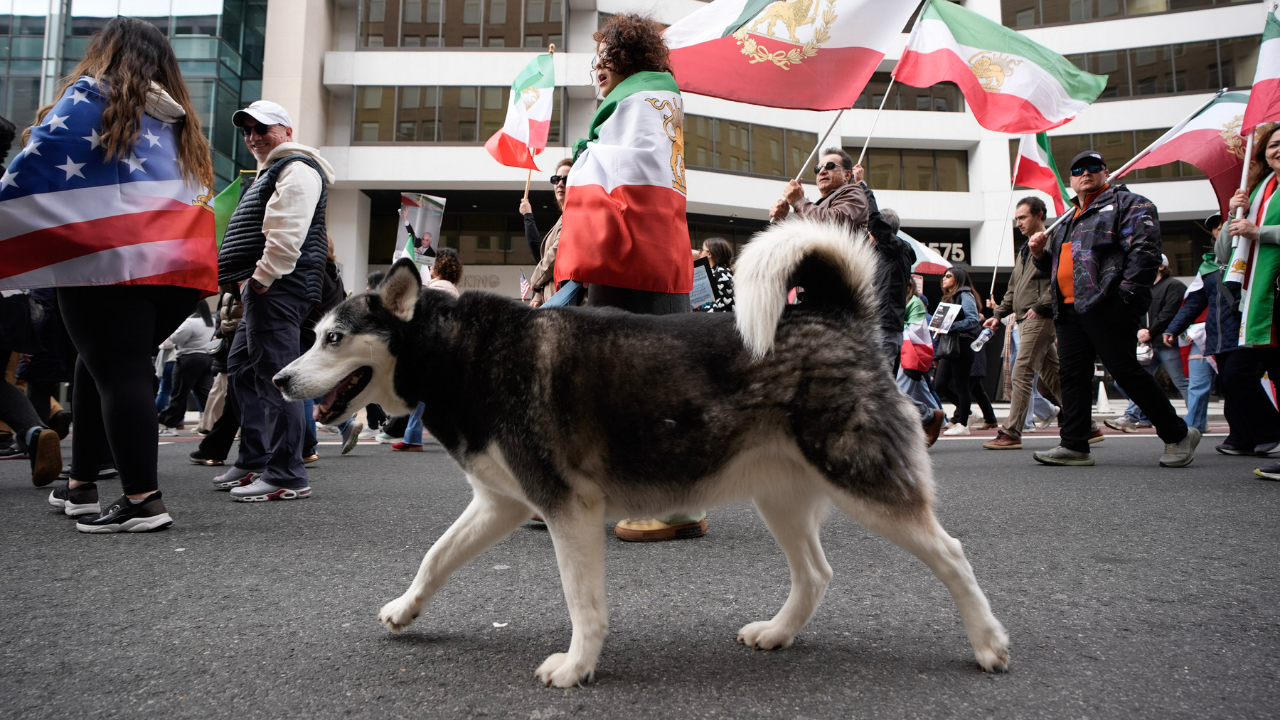
The protest featured Iranian Americans supporting regime change alongside other activists opposing military action.
This created a complex scene of competing viewpoints about US-Iran relations.
The demonstration took place against a backdrop of heightened regional tensions.
Both Iran and the US engaged in military actions across the Middle East.
Protesters used symbolic actions to draw attention to the human cost of potential conflict.
Some groups specifically highlighted civilian casualties from previous military operations.
Minab School Strike Memorial
Demonstrators reenacted the deadly Minab school strike to symbolize the human cost of military operations against Iran.
The protest action specifically referenced a tragic incident during early US-Israeli operations.
A missile struck a girl's school in southern Iran during this incident.
The attack resulted in the deaths of more than 170 people.
Many of those killed were likely children.
This symbolic reenactment served to personalize the abstract concept of war.
It highlighted the potential civilian casualties from continued military escalation.
The protest used this specific historical incident to frame the broader debate about military intervention.
Iranian American Opposition
A significant contingent of Iranian Americans supporting regime change in Iran marched prominently in the protest.
They expressed opposition to both potential war and the current Iranian government.
The group was led by the National Solidarity Group for Iran.
Demonstrators chanted slogans and carried signs expressing their dual opposition.
One prominent Iranian American protester, Jay Gorbani, explicitly stated their position.
He stated: 'We are here for freedom of Iran... We are against the religious mafia regime of Iran.'
This group represented a perspective that saw military action as less concerning than the current Iranian government.
This created a complex dynamic within the broader anti-war movement.
Pro-Regime Coalition
The protest also featured a smaller group of pro-China socialists.
They had assembled across from the White House.
This created a visible contrast between different factions present.
These activists carried bright green and yellow signs that read 'STOP WAR IN IRAN.'
They positioned themselves as peace advocates while supporting the current Iranian government.
Fox News reported these protesters represent a coalition of at least 75 organizations.
These organizations have demonstrated in support of the Iranian regime since the war began.
Fox News identified various ideological affiliations among these groups.
They included 50 far-left, Marxist, socialist or communist organizations.
They also included 22 Muslim organizations that support political theocracy.
And 3 socialist-Islamist adjacent groups.
This suggests a coordinated effort among various ideological movements.
Regional Conflict Context
The protest occurred amidst escalating military tensions between Iran and the United States.
Both sides engaged in attacks across the region.
Iran claimed to have conducted attacks on Israel and US military bases.
US President Trump publicly stated that allies who rely on Gulf oil must keep the Hormuz Strait open.
This indicated continued strategic concerns about the vital waterway.
Iranian authorities reported that US-Israeli attacks had killed more than 200 children.
This figure underscored the human cost of the conflict.
It likely influenced the protesters' focus on civilian casualties.
These developments created a tense backdrop for the White House demonstration.
Protesters attempted to influence US policy toward Iran at a critical moment.
More on USA

FCC chair Brendan Carr Threatens Broadcasters' Licenses Over Iran War Coverage
18 sources compared

Cuba's Díaz-Canel Acknowledges Talks with U.S. as Energy Crisis Worsens
25 sources compared
Ric Grenell Steps Down as Kennedy Center President; Trump Names Replacement Matt Floca
10 sources compared
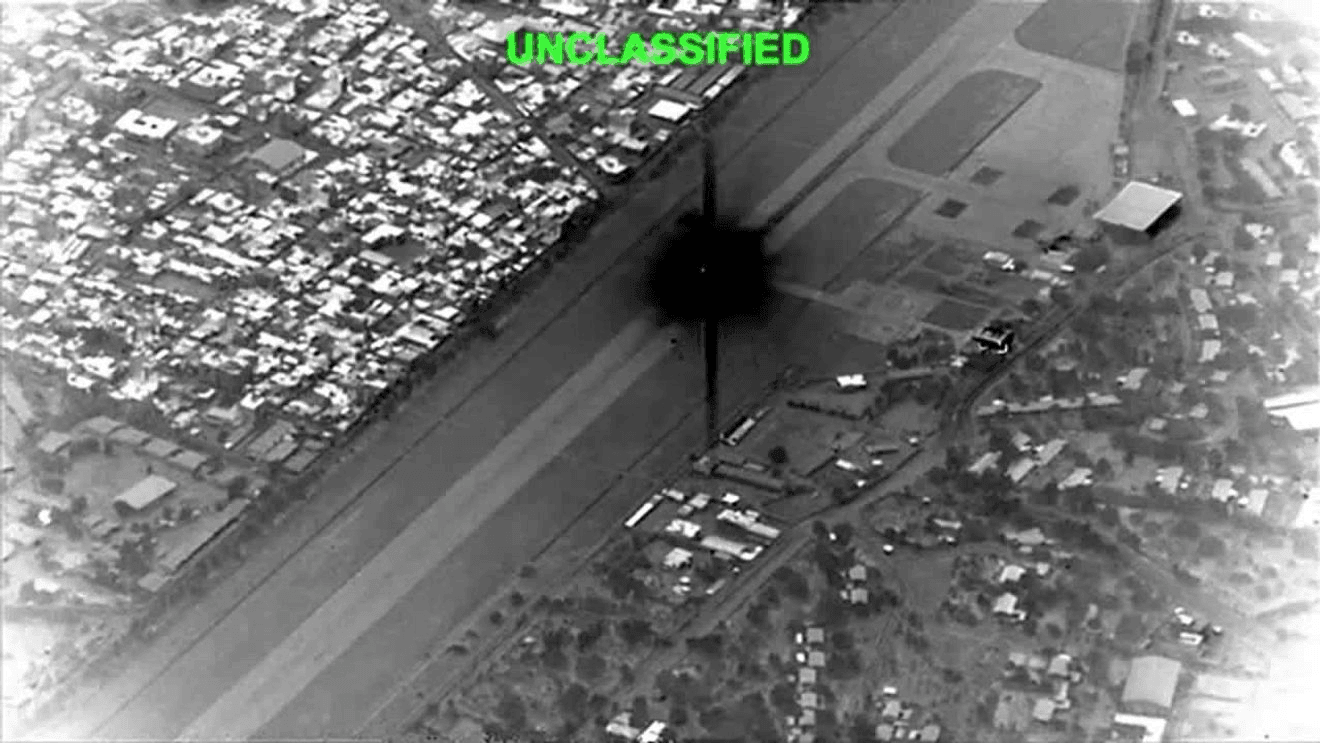
United States launches large-scale strike on Iran's Kharg Island, CENTCOM confirms.
14 sources compared