Asia19 May, 20263 min read
Afghan Families Sell Children And Body Parts To Survive Hunger In Ghor Province
This article is an automated aggregation of coverage from news outlets. Our editorials offer in-depth analysis curated by the NewsCord team.
Hunger crisis in Ghor forces families to sell children to survive. Children become breadwinners, selling sajak or begging to support families.
Children sold for survival
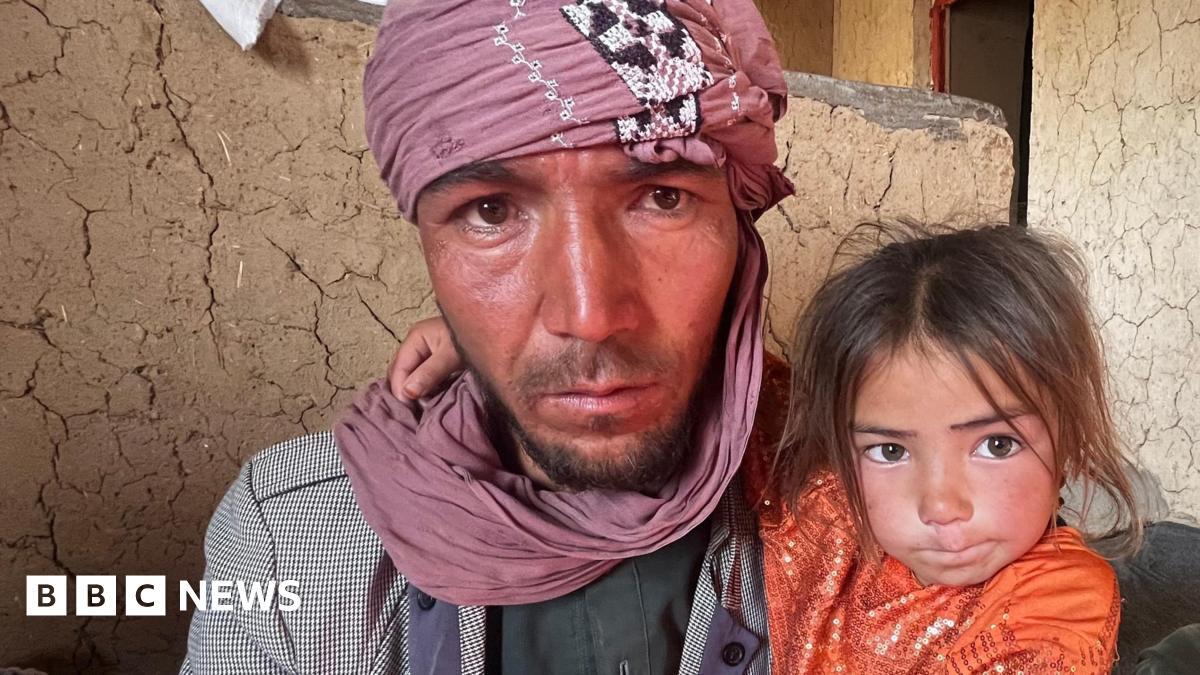
In Afghanistan, children are being forced into work and families sell children and body parts to survive amid hunger and economic collapse, with the BBC describing fathers in Ghor province gathering at a dusty square in Chaghcharan to find work that determines whether their families eat that day. The BBC reports that Juma Khan, 45, said, "My children went to bed hungry three nights in a row," and that he lives in fear that his children will die of hunger. In the same BBC account, Abdul Rashid Azimi wept, "I'm willing to sell by daughters," and Saeed Ahmad said he was forced to sell his five-year-old daughter, Shaiqa, after appendicitis and a cyst in her liver.
The BBC also quotes Saeed Ahmad on the price and terms of the sale, saying Shaiqa was sold for "200,000 Afghani ($3,200/£2,400)" and that the surgery was successful. The BBC frames the wider crisis with UN figures, saying "4.7 million - more than a tenth of Afghanistan's population - estimated to be one step away from famine," while also noting that massive cuts in aid have deprived a large majority of life-saving assistance.
Drug trade and forced labor
In Zaranj, a desert town in Nimruz Province near the Iranian border, the Other-language report describes Mehdi, seven years old, living under wooden branches covered with a blanket in the middle of a cemetery and working to collect and sell plastic bottles. The report says Mehdi's income is "50 Afghanis a day" and that it goes into his mother’s pocket to fund her addiction, while he has never attended school but can count out a gram of soft brown heroin. It adds that UNICEF says that across Afghanistan, hundreds of thousands of children work, including an estimated "60,000 working children in Kabul alone," and that Human Rights Watch said at least a quarter of Afghan children between 5 and 14 work to support themselves or their families.
The report ties the child labor to addiction and coercion, quoting Mehdi as saying, "If my mother cannot get drugs, she beats me." It also places the drug economy in numbers, saying the United Nations Office on Drugs and Crime says Afghanistan still accounts for more than "90 percent" of the world’s opium poppy cultivation and that about "375 tons of heroin" enters the global market annually.
Kidney sales and child marriage
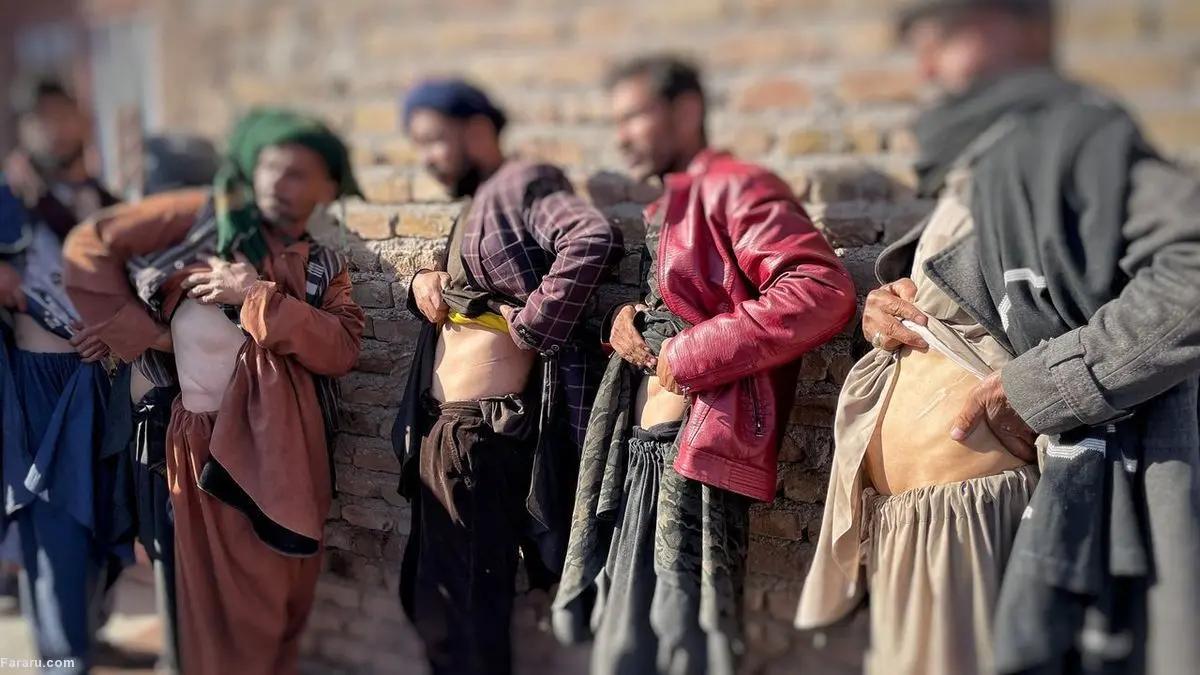
Another report describes kidney selling in Afghanistan, saying the price of a kidney is "$2,000 for men and $1,500 for women" as Afghan parents sell body parts to feed hungry children amid Afghanistan's economic collapse. It quotes an Afghan mother who considered selling her child and says she had previously sold her own kidney, while describing Afghan men and women displaying scars from kidney surgeries. The report also states that in one case, "three brothers and two sisters" sold their body parts to buy food for the rest of the family at a price of about "$1,500."
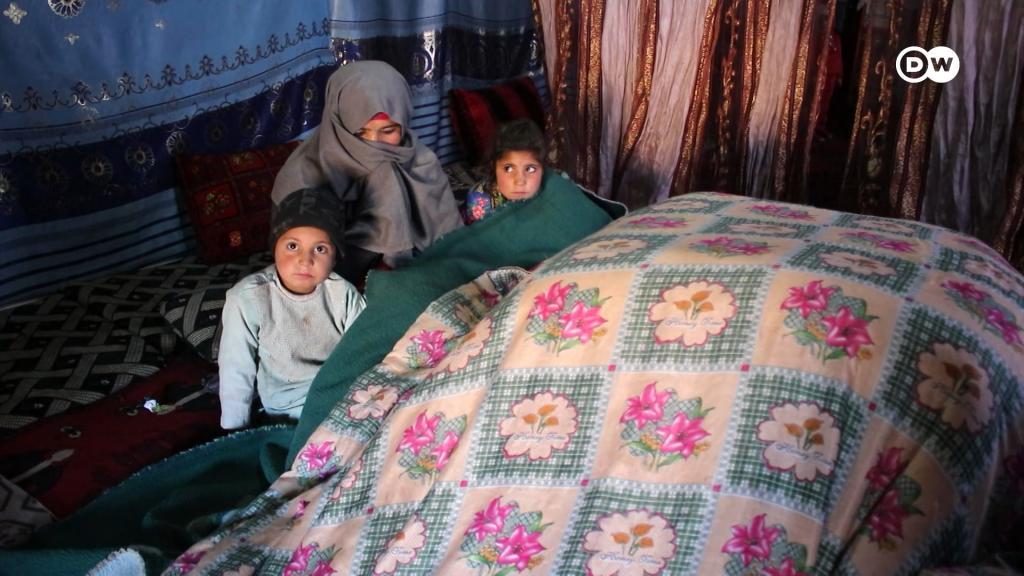
Separately, the West Asian report on selling girls says that in Green Town, a settlement for the displaced in Herat Province, "118 girls under the legal age had been sold as brides" and that "116 families were present, waiting to buy their daughters." That same report says the bride price is about "$2,000" and quotes its description of the practice as "a form of slavery cloaked as marriage," while also stating that schooling for girls beyond sixth grade is banned and that child marriage has risen sharply.