Syria19 May, 20262 min read
Ahmed Al-Sharaa Issues Customs Decree Banning Israeli Goods From Syria’s Free Trade Zone
This article is an automated aggregation of coverage from news outlets. Our editorials offer in-depth analysis curated by the NewsCord team.
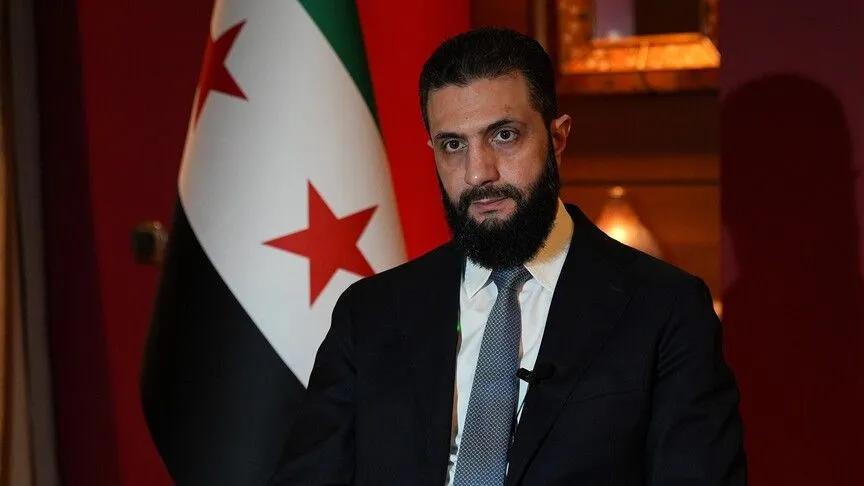
Ahmed al-Sharaa issued Legislative Decree No. 109 of 2026 reinforcing the ban on Israeli goods. New customs law modernizes Syria's system and tightens the anti-Israeli economic boycott.
Customs decree and boycott
Syrian President Ahmed al-Sharaa issued a new customs decree banning the entry of Israeli goods into Syria, reinforcing Damascus’s long-standing economic boycott against Israel despite indirect negotiations. The decree, published by Syria’s state news agency, says Article 112 prohibits the entry of goods into the joint Syrian-Jordanian free trade zone if they violate boycott laws against Israel or public order regulations. It also places Israeli products among categories treated as threats to national security through Article 206, which directs customs courts to apply expedited enforcement procedures in cases involving narcotics, weapons and Israeli products.
The move is described as coming as Damascus reorganises its customs and trade systems after years of economic collapse, sanctions and widespread smuggling during the war. The decree is framed as being issued amid escalating tensions linked to the war in Gaza and ongoing Israeli military activity in Syria since the Syrian conflict began in 2011.
Negotiations continue, hardline holds
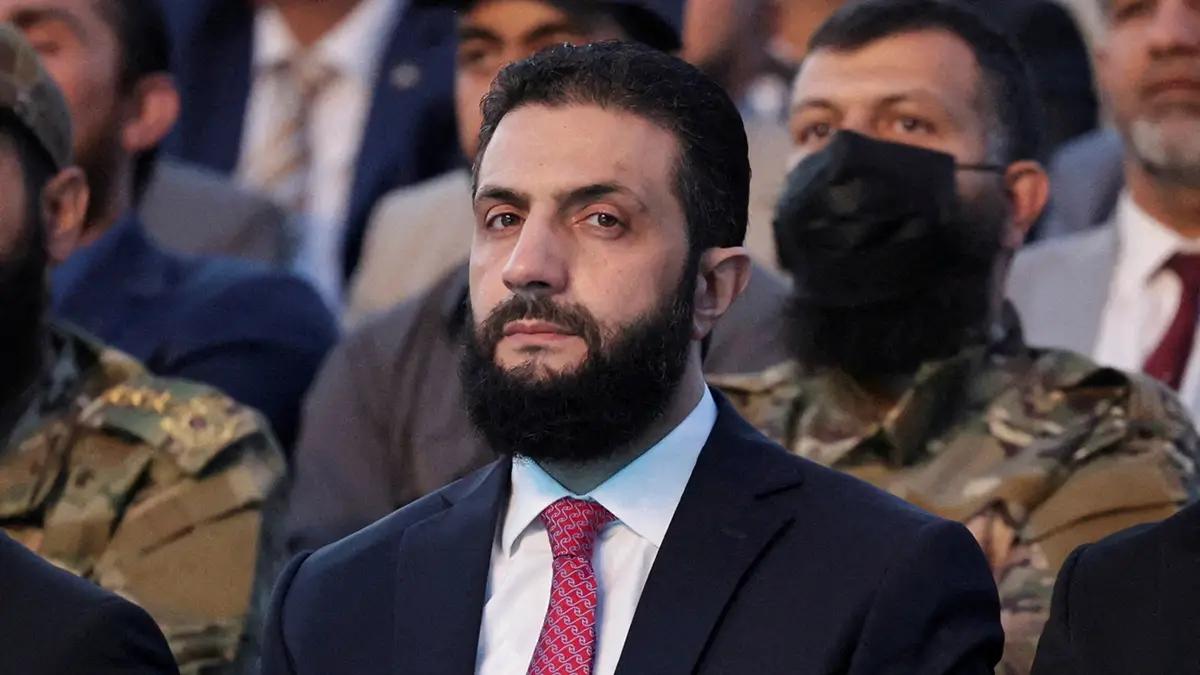
The decree is issued despite indirect talks between Syria and Israel mediated by the United States, with Atalayar describing Sharaa’s earlier statement that negotiations were “progressing with great difficulty” due to disagreements over Israel’s military presence on Syrian territory. Syrian Foreign Minister Asaad al-Shaibani told reporters that negotiations had not yet yielded results but expressed hope for a future “calm and stable relationship” with Israel. Atalayar says Israeli and Syrian authorities have not announced any progress in the talks, which are reportedly focused on agreements relating to the 1974 buffer zone and security issues near the occupied Golan Heights.
The Arab Weekly similarly describes the decree as reaffirming Damascus’s anti-Israel stance through Article 112 and Article 206, treating Israeli products as effectively placed in the same category as offences treated by the Syrian state as direct threats to national security. i24NEWS adds that al-Sharaa said negotiations had not reached a dead end but were “progressing with great difficulty due to Israel's insistence on maintaining a presence on Syrian soil.”

Enforcement, penalties, and stakes
The new customs framework is presented as tightening enforcement by authorizing customs courts to issue “accelerated execution” rulings in certain cases and by classifying goods linked to the Israeli regime alongside major offenses such as arms smuggling and narcotics trafficking. İlke Haber Ajansı says Syrian authorities warned that false declarations in shipping or customs documents related to boycotted entities could result in severe financial penalties and legal sanctions. Roya News reports that Article 206 empowers the Customs Court to issue expedited, enforceable judgments in smuggling cases linked to 'Israel' or weaponry, regardless of the monetary value of the seized contraband.
Roya News further states that Article 243 “heavily stiffens financial penalties,” raising smuggling fines to between six and eight times the combined value of the seized goods and their associated duties. The decree is also described as setting a timeline for implementation, with Roya News saying the newly enacted law repeals all previous customs laws and is set to officially take effect three months after its publication.