
Al-Burhan Receives Defector Lt. Gen. Noor Al-Quba From Rapid Support Forces
Key Takeaways
- Noor al-Quba, a senior RSF commander, defected to the Sudanese Army.
- Burhan welcomed the defection and invited others to join the army.
- Defection signals cracks within RSF and deals a major blow to its forces.
Defector Joins Army
Sudan’s Sovereignty Council chairman and commander-in-chief of the Sudanese Armed Forces, Abdel Fattah al-Burhan, received Lt. Gen. Noor al-Quba, described as a defector from the Rapid Support Forces, on Sunday, according to a statement from the Sovereignty Council.
The statement says Burhan welcomed Lt. Gen. Noor al-Quba’s joining the armed forces, and it quotes Burhan saying that doors are 'open to anyone who wants to lay down arms and join the national-building path.'
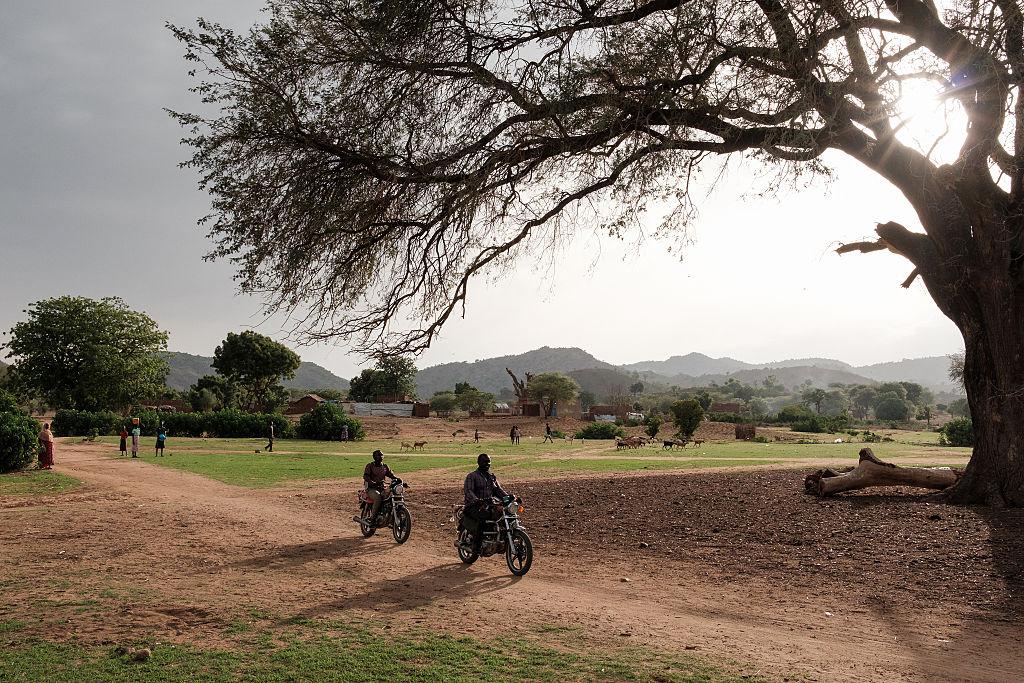
The same report says Lt. Gen. Noor Ahmed Adam, popularly known as Noor al-Quba, arrived on Sunday to areas under army control after about a week of disappearance, following widespread reports of his joining the army.
It adds that social media platforms circulated a clip showing the defector saluting soldiers wearing army uniforms in a landscape that did not appear clearly defined.
Before Burhan’s reception, the Revolutionary Awakening Council announced that the defecting commander and the forces accompanying him had arrived safely at army-controlled positions.
The Revolutionary Awakening Council is described as a tribal militia led by Musa Hilal, founder of the Janjaweed, and its main stronghold is the town of Mostariha in North Darfur, western Sudan.
The report also says the Council stated that three Awakening officers and dozens of soldiers accompanied the defecting officer from areas in the north of Darfur to army-controlled sites, while pro-regime RSF-aligned platforms posted videos claiming prisoners and combat vehicles were seized after clashes with Noor al-Quba’s forces.
No Negotiations, “Cleansing”
While the army welcomed a senior RSF defector, Burhan simultaneously rejected negotiations with the Rapid Support Forces and framed the war as a campaign that must end only when the country is “cleansed.”
In official remarks, Burhan said that “the cleansing of the country” is the point until which military operations against the Rapid Support Forces will continue, stressing that the army is close to ending the conflict that has persisted for months and has left a wide humanitarian crisis in Sudan.

The report says Burhan announced the Sovereignty Council’s rejection of entering into any negotiations with the Rapid Support Forces or their supporting parties, excluding those who choose to surrender and lay down their arms.
Another outlet similarly describes Burhan ruling out negotiations with rebels and vowing to continue “Cleansing” the Country, tying the decision to an address at a ceremony honoring former Chief of Staff and members of the General Staff.
It says Burhan stressed that the campaign to eliminate the rebel militia will continue until the entire country is “cleansed.”
The same set of reports ties the conflict’s roots to tensions between the Sudanese army led by Abdel Fattah al-Burhan and the Rapid Support Forces led by Mohamed Hamdan Dagalo (Hemeti) after transitional agreements stalled.
They also state that the war erupted in April 2023 over disagreements about integration of the forces and arrangements for the transitional period.
Ceremony, Command, and Diplomacy
At ceremonies honoring former leaders of the General Staff, Burhan and senior Sovereignty Council figures reiterated that military operations would continue and that there would be no negotiating track with the Rapid Support Forces.
One report says Burhan rejected any move toward negotiations with the Rapid Support Forces, stressing that the army would continue with the option of a decisive military outcome, as regional and international moves to revive the political settlement process intensify.
It quotes Burhan saying the armed forces are moving forward with military operations to rid the country of this nightmare and that operations would continue until the entire territory of Sudan is cleansed.
The same report says Sovereign Council member and Chief of Staff Yasser Abdel Rahman al-Atta confirmed the continuation of military operations, pledging to press ahead on various fronts and noting that the armed forces continue to achieve victories.
Another outlet similarly reports Burhan speaking in Khartoum on Wednesday at a ceremony honoring the former Chief of Staff of the Army, Abdul Fattah al-Burhan, and reaffirming that there is no negotiation with the Rapid Support Forces.
It adds that Burhan called on the Sudanese public not to be swayed by rumors, saying that “we have not entered into any negotiations, and we will not negotiate with these rebels, nor with anyone who supports them.”
While the military leadership rejected negotiations, the same set of reports describes parallel diplomatic activity in Nairobi and New York, including IGAD executive secretary Workneh Gebeyehu discussing with UN Secretary-General’s Sudan envoy Pekka Haavisto ways to develop a Sudanese-Sudanese dialogue mechanism through a five-member committee.
Humanitarian Crisis and War Roots
The reports situate the current military posture and the refusal of negotiations within a broader description of Sudan’s humanitarian collapse and the origins of the war.
One outlet says that since the outbreak of the war, Sudan has been experiencing one of the world’s worst humanitarian crises, with fighting killing tens of thousands and displacing around 13 million people inside the country and abroad.
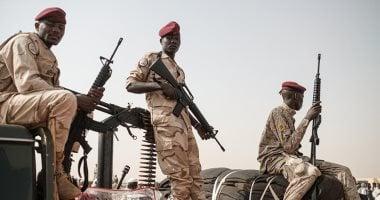
It adds that the conflict has been accompanied by a wide collapse of services and infrastructure, citing UN reports.
The same outlet describes mediation efforts by regional and international actors to halt the fighting as continuing in recent times but not succeeding in reaching a lasting agreement, amid ongoing military operations and the exchange of control over strategic sites between the two sides.
It also states that the war erupted in April 2023 between the Sudanese army and the Rapid Support Forces over disagreements about integration of the forces and arrangements for the transitional period.
The report says the transitional framework stalled, including the framework agreement which provided for integrating the forces and restructuring authority during the transitional period.
The same set of reports also includes accusations that the Rapid Support Forces employ mercenaries and receive external support as fighting continues since April 2023.
Negotiations, Defection, and Stakes
The sources also connect Burhan’s hardline stance to the broader question of whether peace talks can proceed, while the defection of Noor al-Quba underscores the army’s approach to absorbing RSF figures who lay down arms.
One outlet reports that Burhan repeatedly announced a general amnesty for anyone laying down arms, particularly those from the Rapid Support Forces, since the outbreak of the war in April 2023.

It says Noor al-Quba is the second senior military commander to defect from the RSF after Abu Aqila Kikell, who was granted a general amnesty by Burhan, and it adds that Kikell later founded a militia named the Sudanese Shield Forces.
The same report notes a growing sentiment of public discontent over the army’s reception of defectors from the RSF who are accused of criminal responsibility for abuses against civilians, while civilian trials on charges of cooperation with the RSF during its control of Khartoum and Jazirah states continue.
In parallel, other reporting emphasizes that Burhan and the Sudanese Armed Forces reject negotiations, including a quoted statement that “We will not retreat... there will be no negotiations with any party.”
The European Times piece describes talks in Nairobi involving the UN Secretary-General’s Personal Envoy Pekka Haavisto and quotes General Mohamed Hamdan Dagalo as saying he was ready to “end the war and... fully willing to cooperate with the United Nations and to work to provide the necessary assistance to alleviate the suffering of the Sudanese people.”
With Burhan’s reception of Noor al-Quba and his insistence that doors are open to those who lay down arms, the sources portray a strategy that combines selective defections with a refusal to negotiate with the RSF leadership as a whole.
More on Sudan

Khartoum Rejects Massad Boulos Ceasefire Plan, Demands RSF Withdrawal From Captured Cities
10 sources compared
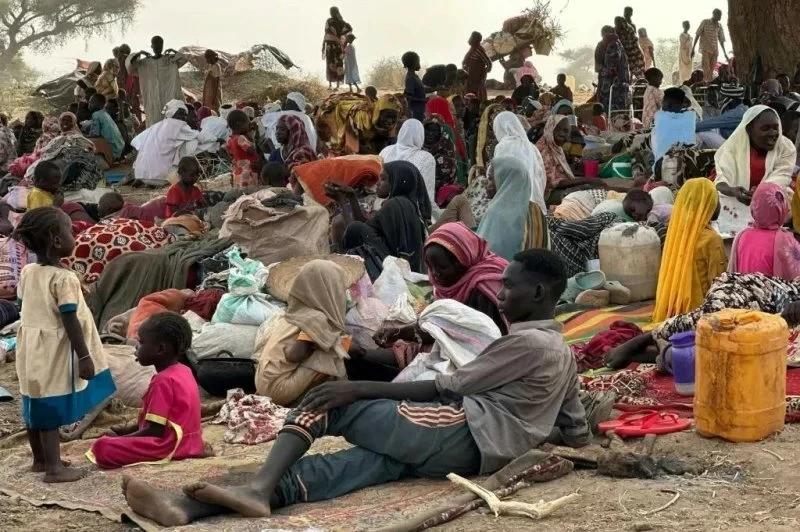
UN Investigators Say RSF Tactics in El-Obeid Bear Hallmarks of Genocide
15 sources compared
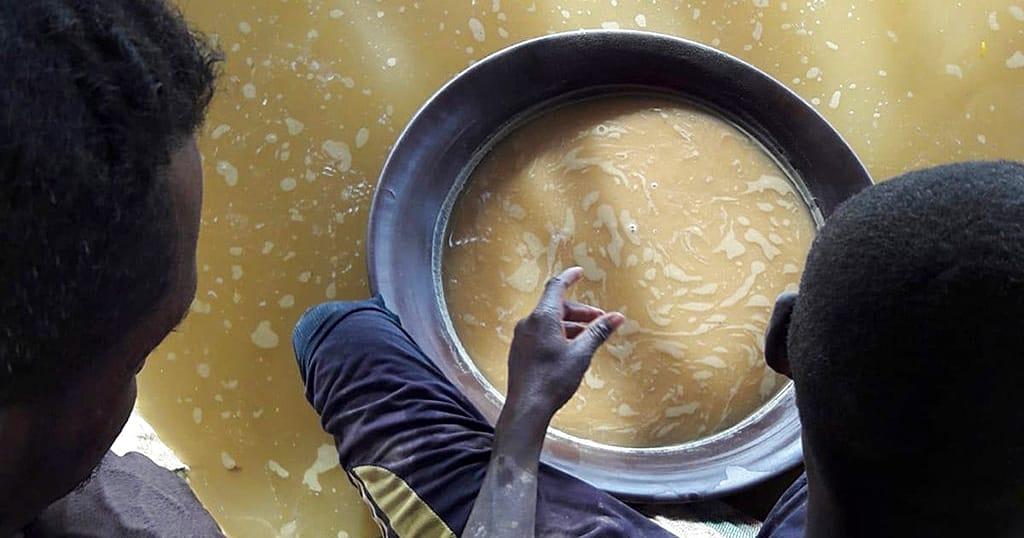
Sudan Gold Mine Collapse Kills 15 Miners At Mohamed Tawfiq Mine Near Egyptian Border
11 sources compared

Qatar Airways Launches First Port Sudan Flights From Doha With Airbus A320
10 sources compared