
UNICEF Warns Darfur Children Face New Humanitarian Catastrophe, Homes Schools Hospitals Under Fire
Key Takeaways
- UNICEF warns Darfur children face a new humanitarian catastrophe amid widespread violence and mass displacement.
- Five million Darfur children face extreme deprivation as the civil war enters its fourth year.
- Global attention and international support have diminished since the Darfur crisis peaked two decades ago.
Child Alert in Darfur
UNICEF has warned that children in Sudan’s Darfur are facing a new humanitarian catastrophe, issuing a Child Alert report titled “Darfur: 20 Years On, Children Under Threat.”
The agency said the violence has devastated communities and displaced millions across Sudan, leaving children “once again trapped in an acute crisis.”
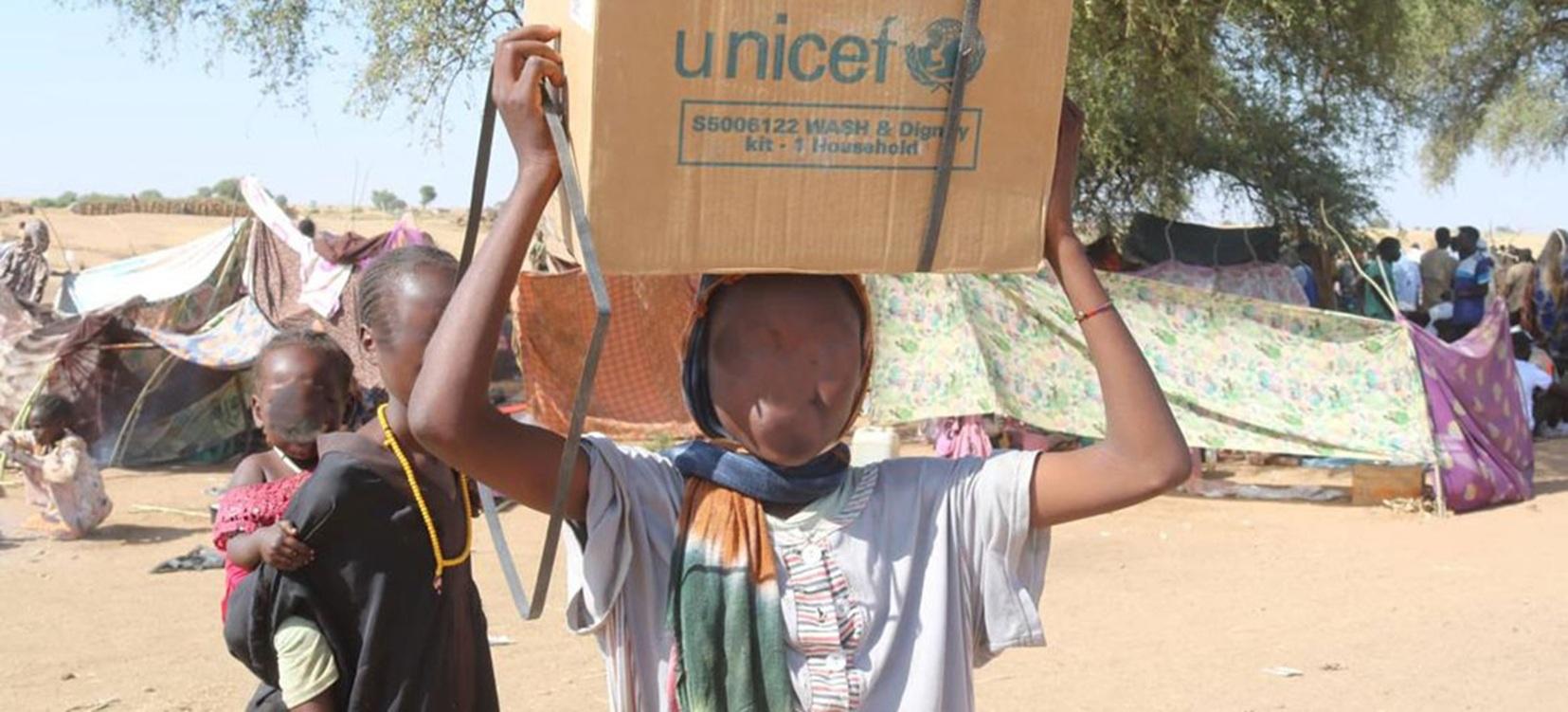
UNICEF described the situation as a parallel to the horrors of 2005, while saying “the scale of need is now far greater” and that “international attention is dangerously constrained.”
In the Child Alert, UNICEF said “Homes, schools, and hospitals are again under fire,” and that the “modern nature of fighting between rival militaries has become even more lethal.”
UNICEF’s representative in Sudan, Sheldon Yett, told reporters that “Children are at a breaking point across the region, childhood is again defined by fear, by loss.”
UNICEF also said the crisis is spilling across borders, with displacement “particularly into eastern Chad,” where services are struggling to cope with new arrivals.
Numbers and verified violations
UNICEF’s Child Alert and related reporting put specific figures on the scale of harm to children in Darfur and across Sudan.
In Darfur, UNICEF said that “Since April 2024, more than 1,500 grave violations against children have been documented in the city alone,” referring to El Fasher, and that the violations include “the killing and maiming of more than 1,300 children.”
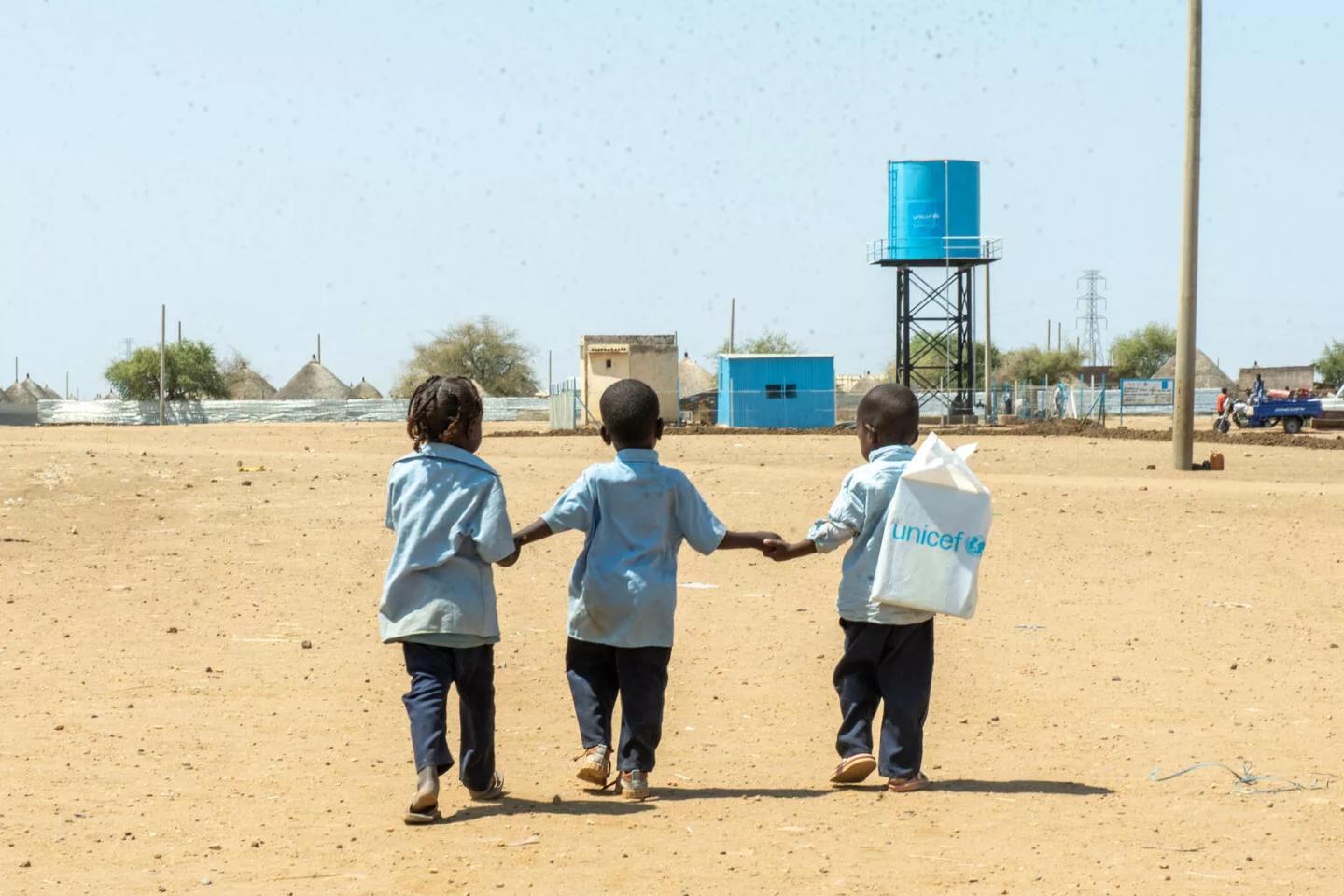
The UN News report said that in El Fasher “Over 1,300 children have been killed or maimed in the city,” and that many were hurt “by explosive weapons and drones.”
UNICEF also said that “Since the war began, the United Nations has recorded more than 5,700 grave violations against children across Sudan,” affecting “at least 5,100 children,” with “more than 4,300 killed or injured.”
For early 2026, UNICEF reported that “in the first three months of 2026 alone, at least 160 children were reported killed and 85 injured,” and another UNICEF-linked report said that “In the first 90 days of 2026, at least 245 children were reported killed or injured.”
UNICEF’s reporting also tied the violence to patterns of siege and infrastructure collapse, saying the crisis has cut off access to “food, clean water and healthcare,” forcing families to flee to overcrowded areas.
What UNICEF says drove it
UNICEF framed the crisis as both a repetition of Darfur’s earlier catastrophe and a worsening humanitarian situation driven by the current war’s dynamics.
“UNICEF Warns of New Child Crisis in Sudan's Darfur UNICEF has warned that children in Darfur are facing a new humanitarian catastrophe, two decades after the region first drew global attention, but with far less international focus and support”
The agency said the “horrors of 2005 are repeating,” but that “the scale of need is now far greater,” and that “the modern nature of fighting between rival militaries has become even more lethal.”
UNICEF’s report described how “Homes, schools, and hospitals are again under fire,” while the “destruction of essential infrastructure has accelerated famine, hunger, and disease.”
UNICEF also said prolonged conflict and sieges have left families without food, “safe water, or healthcare,” forcing many to flee to “already overcrowded areas.”
In Darfur, UNICEF said the gravest impact on children has been in “the long-besieged city of al-Fashir,” where “at least 1,300 children have been killed or maimed since April 2024.”
UNICEF-linked reporting also described the broader conflict context, saying the civil war erupted in April 2023 between the Sudanese army and the paramilitary Rapid Support Forces, and that Darfur had been the scene of atrocities and mass displacement in a conflict that escalated in 2003.
Voices: Yett and Russell
UNICEF officials used stark language to describe the situation and to press for action, with multiple quotes appearing across the reporting.
Sheldon Yett, UNICEF’s representative in Sudan, said, “Children are at a breaking point across the region, childhood is again defined by fear, by loss,” and he added that “Children are bearing the heaviest weight of the war in Darfur, children are beng killed and maimed, uprooted from their homes and pushed into extreme hunger, disease and trauma.”

In Geneva, Yett told reporters via video link from Port Sudan that “history is repeating itself in the darkest possible way for children,” and he said, “Once again, millions of children are living through extreme violence, hunger, and displacement.”
Yett also drew a personal comparison to the earlier global mobilization, saying, “I was in Darfur 20 years ago, and we had every Hollywood celebrity competing to get on the plane, to get on the bus, to get in the car,” and then contrasting it with the present: “Now we have absolutely no attention on Darfur, no attention on Sudan.”
UNICEF Executive Director Catherine Russell said, “We cannot allow history to repeat itself,” and she added, “Children in Darfur need protection and sustained humanitarian access.”
Russell also urged that “The parties to this conflict must end this brutal war,” and UNICEF’s Child Alert language called for “an immediate end to violations against minors.”
Funding gaps and next steps
UNICEF’s warnings also centered on humanitarian access and funding shortfalls, with multiple reports citing the same funding figure while describing different consequences.
UNICEF said its humanitarian appeal for Sudan this year is “only 16% funded,” and it warned that “humanitarian efforts remain severely constrained by insecurity, bureaucratic impediments, and funding shortfalls, leaving many children cut off from assistance at moments of greatest risk.”
In one account, UNICEF called for “flexible, multi-year funding to support life-saving programmes,” and it said the agency was urging donors to provide flexible funding to support those displaced “both within Sudan and across its borders.”
Another report tied the funding gap to the scale of need, saying UNICEF estimates that “33 million people in Sudan need humanitarian assistance,” “more than half of them children,” including “over 5 million children facing extreme deprivation across the five Darfur states.”
UNICEF also described what it is doing despite constraints, stating that “UNICEF and partners continue delivering lifesaving assistance across Darfur and neighbouring countries” and listing actions such as “providing education, clean water and sanitation, treating children for severe acute malnutrition, supporting mobile health services, offering psychosocial support and establishing safe spaces for children.”
UNICEF’s Child Alert called on parties to “respect international law and protect civilians, including children; ensure safe and unimpeded humanitarian access; and end and prevent serious violations against children,” and it urged an “immediate end to violations against minors.”
More on Sudan
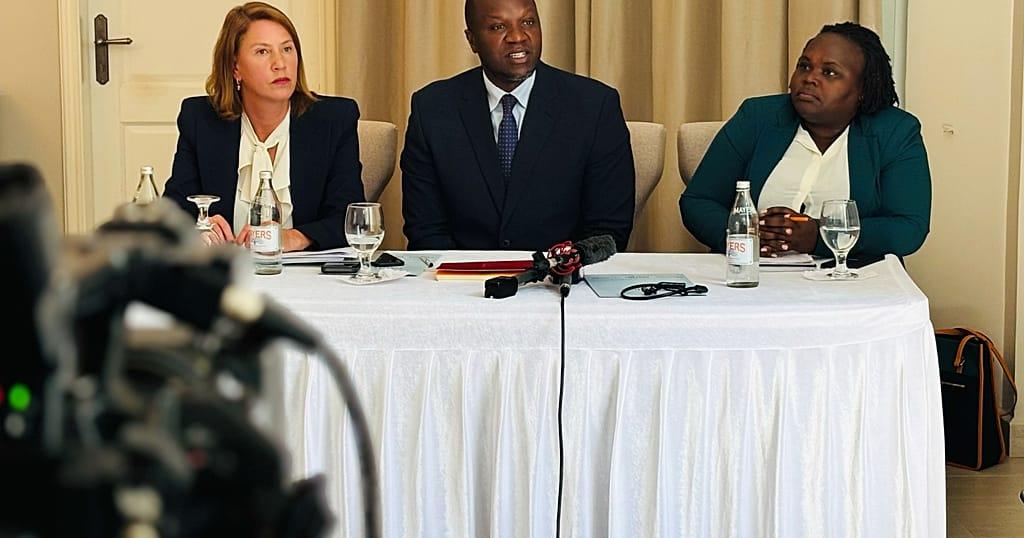
Twelve Sudanese Survivors File War Crimes Complaint Against RSF in Kenya Over Khartoum Abuses
11 sources compared

RSF Drone Strikes Kill 23 in El-Obeid, Rights Group Says
17 sources compared
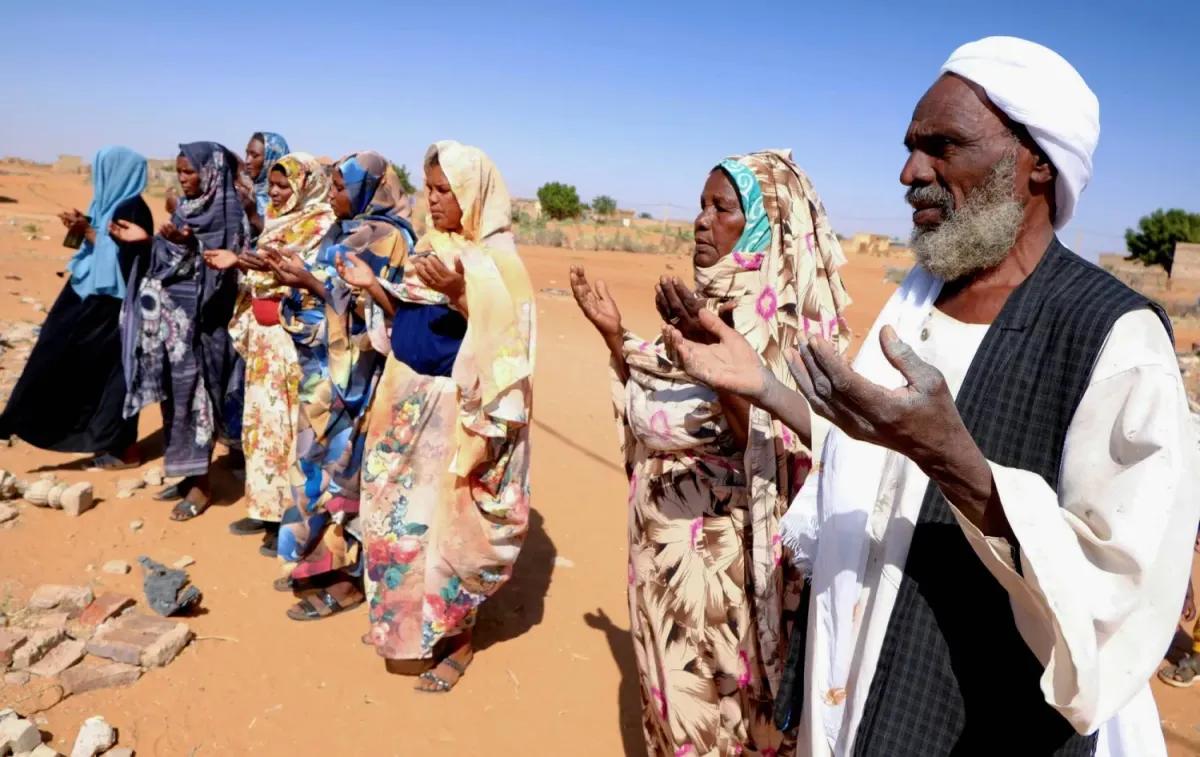
RSF Attack Kills At Least 58 in North Kordofan Villages West of Bara
13 sources compared
CEPI Invests $50 Million to Fast-Track Moderna’s Bundibugyo Ebola Vaccine
12 sources compared