
Algorand Foundation Rolls Out Quantum-Resistant Roadmap, Targeting Full Core Upgrade by End-2026
Key Takeaways
- Algorand Foundation unveiled a roadmap to achieve broad quantum resistance across the network.
- Post-quantum accounts, multisignature wallets, and staking support are planned.
- Full core upgrade targeted for 2027–2028.
Algorand targets quantum shift
Algorand Foundation published a phased roadmap to transition the Algorand blockchain to quantum-resistant cryptography, beginning in 2025 with post-quantum accounts, multi-signature wallets and staking support and targeting a full core upgrade by the end of 2026.
“Algorand unveils roadmap to achieve quantum resistance by 2028 The announcement reflects a crypto's growing recognition that adopting quantum-resistant cryptography could take years, requiring changes not only to user wallets but also to core protocol infrastructure”
The Cryptonomist said the foundation committed to achieve broad quantum resilience across its entire protocol by the end of 2027, describing it as three years ahead of the U.S. National Security Agency's own timeline for national security systems.

The roadmap frames the work around the risk that a sufficiently powerful quantum computer could compromise wallet security and the integrity of the ledger by deriving private keys from public keys.
CryptoRank said the protocol updates align with NIST post-quantum standards, while the Cryptonomist said Algorand’s post-quantum journey began in 2022 with the deployment of State Proofs using the Falcon signature scheme.
The Cryptonomist also tied the announcement to Algorand’s seventh anniversary and “seven years of uninterrupted network uptime,” positioning the migration of a live production protocol as a central engineering challenge.
Milestones and who must act
CryptoRank said the transition will occur in distinct phases, beginning later this year, with the initial phase focusing on introducing post-quantum account support and later phases rolling out multi-signature wallets and dedicated staking support.
The Cryptonomist said the earliest concrete changes arrive in Q3 2026, when Algorand will introduce native post-quantum accounts for existing users and developers, with account creation available directly within the Pera wallet and all SDKs updated to reflect the new standards.
CryptoRank added that the upgrades will be implemented through network-wide protocol updates, requiring minimal action from most ALGO holders, while developers may need to update their applications to support new account types and transaction formats.
The Cryptonomist said later in 2026 the foundation will roll out post-quantum multi-signatures and begin migrating its own treasury to post-quantum accounts, and it will enable staking from post-quantum accounts.
In the same article, Bruno Martins, Chief Technology Officer at the Algorand Foundation, warned that “Post-quantum security cannot be retrofitted after Q-Day,” and Chris Peikert, Chief Scientific Officer at the Algorand Foundation, said “Algorand’s roadmap deploys advanced, peer-reviewed post-quantum cryptography across every layer of a live production protocol”.
Institutional stakes and timing
CryptoRank said the move could boost institutional adoption and long-term token utility for crypto, DeFi and other secure on-chain use cases, while also positioning Algorand for “long-term data integrity and security” in institutional and government use cases.
“Bitcoin (BTC) at $62,720”
The Cryptonomist argued that organizations that tokenize real-world assets or use Algorand’s infrastructure for financial services need to know their cryptographic foundations will hold, and it described the roadmap as covering every protocol layer from user wallets to consensus mechanisms.
It also said the roadmap targets post-quantum consensus and a post-quantum Verifiable Random Function (VRF), which Algorand uses to select validators in a way that is unpredictable and tamper-resistant.
The Cryptonomist quoted Chris Peikert saying “Migrating a live protocol takes years, and the probability of a quantum attack on legacy cryptography grows meaningfully as the end of this decade approaches,” tying the urgency to the approach of the decade’s end.
Separately, WEEX said the foundation planned to achieve overall “quantum security” capabilities for the network by the end of 2027 to 2028, while reporting that the first phase would introduce post-quantum account systems, multi-signature wallets, and staking support in 2026.
More on Crypto

Iran’s Supreme National Security Council Exempts Hormuz Transit Fees for 60 Days
28 sources compared

Trace Finance Raises $32 Million Series A Led by CoinFund to Expand Stablecoin Settlement
10 sources compared
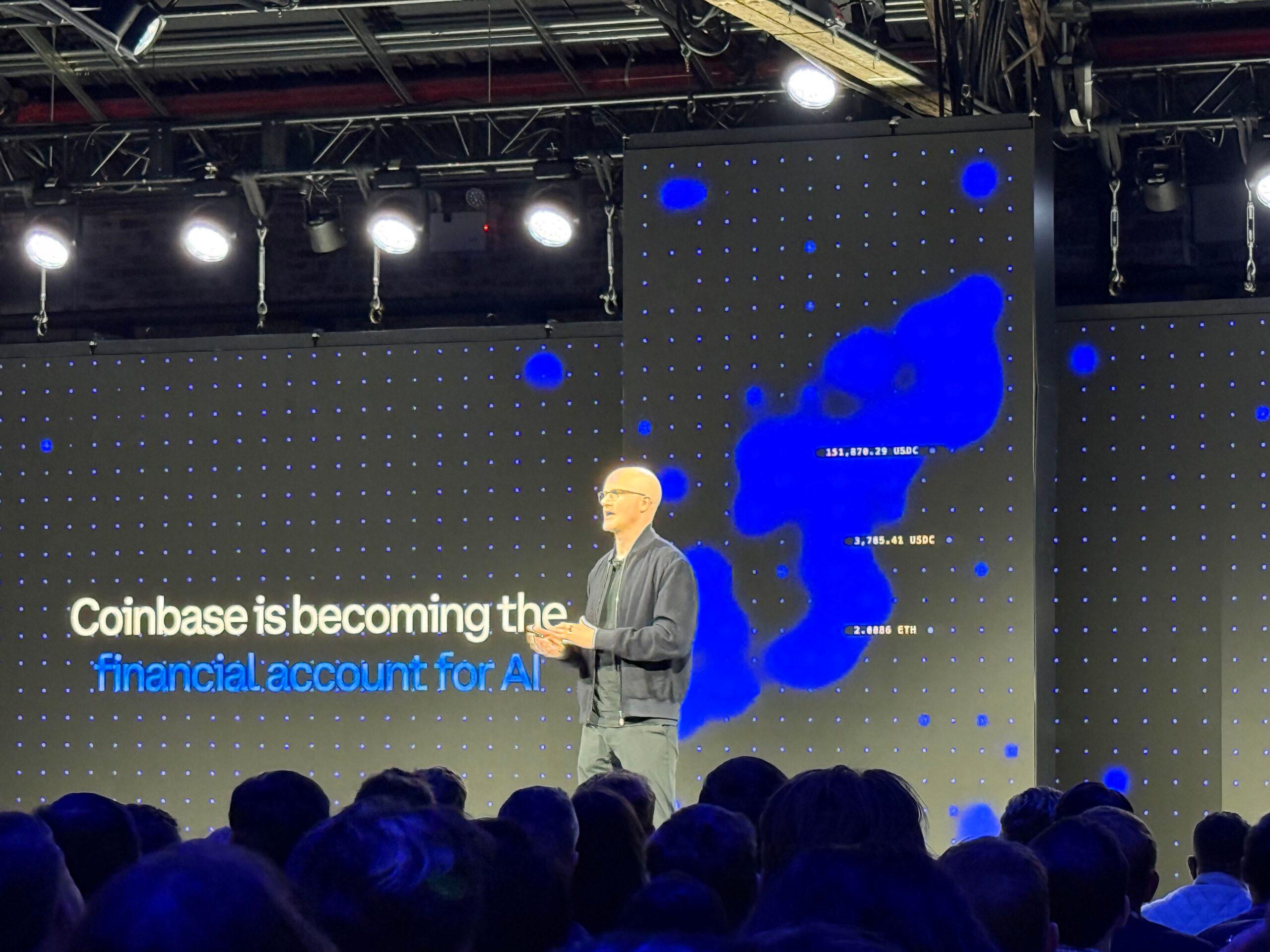
Coinbase Unveils Everything Exchange Push With Tokenized Stocks, AI Advisor, and Perpetual Futures
13 sources compared

Ripple Takes Stake in Flutterwave’s $3.2B Series E to Expand RLUSD Payments Across 34 African Markets
24 sources compared