
Armed Groups Launch Coordinated Attacks Across Mali, Fighting Ongoing in Bamako and Kati
Key Takeaways
- Coordinated attacks targeted Bamako and multiple inland sites across Mali.
- Malian army says attackers were unidentified 'terrorist groups' and battles continue.
- Fighting reported near Bamako airport and other key sites.
Coordinated assaults across Mali
Armed groups launched coordinated attacks across Mali on Saturday, with explosions and sustained gunfire reported in Bamako as the military said “fighting is ongoing” and that “our defence and security forces are currently engaged in repelling the attackers”.
“Gunmen have attacked Mali’s capital Bamako and several locations across the country, the army says, in an apparently coordinated assault involving multiple groups”
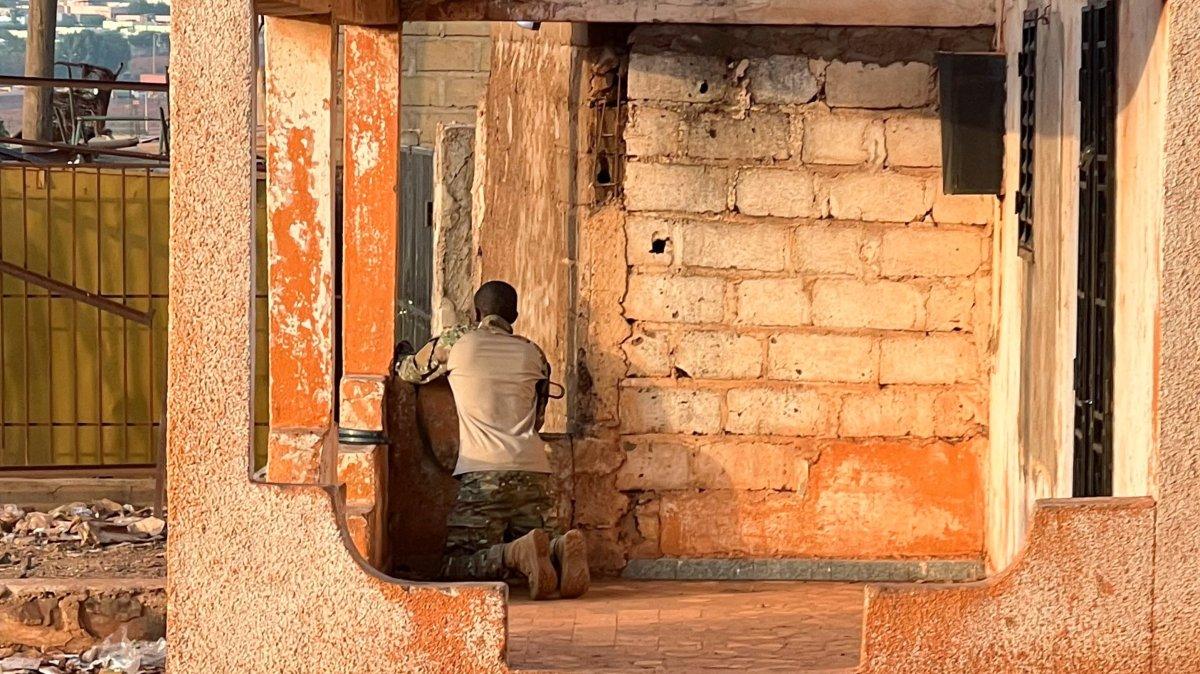
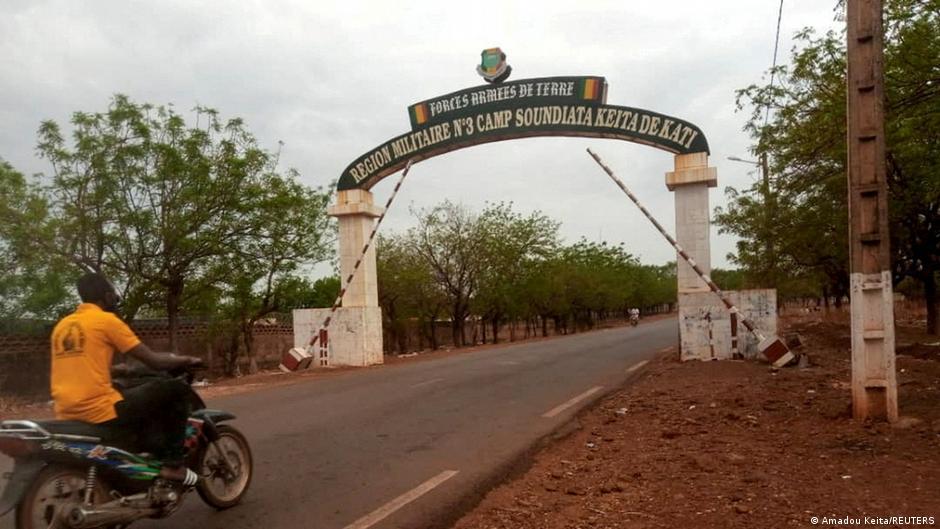
Reuters witnesses described explosions and gunfire around the Kati military base, a major installation outside the capital, and soldiers deployed to block off roads in the area.
The BBC said there were also reports of attacks in Gao and Kidal in the north and Sevare in central Mali, describing the incident as the “largest jihadist attack in years”.
The Economic Times reported that gunfire and blasts hit the capital Bamako and other cities, with an Associated Press journalist hearing sustained heavy weapons and automatic rifle gunfire coming from Modibo Keita International Airport, about 15 kilometres (9 miles) from the city centre.
In the same reporting, the Economic Times said a resident near the airport reported gunfire and three helicopters patrolling overhead, while another resident said the gunfire came from the army camp and the airport, which are right next to each other.
Al Jazeera said two loud explosions and sustained gunfire were heard shortly before 6am (06:00 GMT) near Mali’s main military base, Kati, outside Bamako, and that similar unrest was reported at about the same time in Sevare, Kidal, and Gao.
The attacks also reached the defence minister’s residence in Kati, according to Anadolu Ajansı, which said Defense Minister Sadio Camara is safe after his residence in Kati was targeted, while the Malian army said it was fighting “terrorist groups” in Bamako and elsewhere.
Timeline, targets, and claims
Across the reporting, the attacks were described as near-simultaneous and focused on military sites and key infrastructure.
The BBC said the incident began with the Kati base, and it added that there were reports of attacks in Gao and Kidal and Sevare, with an analyst describing it as the “largest jihadist attack in years”.

Al Jazeera said the army statement described “terrorist groups” attacking army barracks in Bamako and other areas, and it quoted a witness telling Reuters: “There’s gunfire everywhere”.
The Economic Times described the airport area as a focal point, saying an Associated Press journalist heard automatic rifle gunfire near Modibo Keita International Airport and saw a helicopter over nearby neighbourhoods.
Anadolu Ajansı said witnesses heard gunfire and explosions earlier in the day, and that residents in Senou later reported no shots had been heard for about two hours, while a police source told Anadolu that the airport remained under control with patrols deployed in nearby areas.
HarianBasis.co and Koran Manado did not provide usable reporting beyond a “Host Error” message about an unknown connection issue, so they offered no additional details on targets or timing.
In Kidal, Anadolu Ajansı said the Front de iberation de l’Azawad (FLA) claimed on social media to have seized several positions in Kidal and Gao, and it said images circulating online appeared to show the capture of the Kidal governor’s residence.
Government posture and external warnings
Malian authorities framed the attacks as the work of unidentified “terrorist groups” and urged calm while saying operations were ongoing.
The BBC reported that the military said it is fighting unidentified “terrorist groups” and that the situation was under control, while unconfirmed reports suggested fighting continues.
Firstpost quoted the Malian army’s statement to the national public, saying “unidentified armed terrorist groups targeted certain strategic points and barracks in the capital and in the interior early this morning,” and it added “Combat is ongoing … We call on the population to remain calm and vigilant. Our defence and security forces are currently engaged in annihilating the attackers.”
RFI also described the army’s position, saying “Terrorist groups, not yet identified, targeted certain points and barracks in the capital and the interior,” and it reported that gunfire rocked districts of Bamako including Kati, the home of military ruler General Assimi Goita.
Multiple outlets reported travel and shelter advisories tied to the fighting and airport area.
The BBC said the UK’s foreign office advised against all travel to Mali following the attacks, adding that Bamako International Airport is temporarily closed, while the US Embassy told citizens to shelter in place and avoid travel, citing explosions and gunfire around the airport and near Kati.
APAnews said the American embassy in Bamako issued a security alert on Saturday morning, indicating it had received reports of explosions and gunfire near Kati and the Modibo Keïta International Airport, and it advised American citizens to remain in the area and avoid all travel to these zones until further notice.
Competing narratives on who is behind it
While the Malian army described the attackers as unidentified “terrorist groups,” multiple outlets reported claims and possible involvement from named armed actors.
The BBC said videos circulating on social media suggested involvement of the jihadist group Jama'at Nusrat al-Islam wal-Muslimin (JNIM) and Tuareg Azawad Liberation Front (FLA) rebels, and it added that Mohamed Elmaouloud Ramadane, a spokesperson for the FLA, said on social media that its forces had taken control of several positions in Gao and Kidal.
Jang, citing Reuters, said four security sources indicated the regional al Qaeda affiliate Jama'at Nusrat al-Islam wal-Muslimin (JNIM) was also involved in Saturday’s attacks, while it also described the Azawad Liberation Front spokesperson Mohamed Elmaouloud Ramadane claiming control of multiple positions in Kidal and Gao.
Pakistan Today similarly reported that Reuters could not independently verify Ramadane’s claim, and it said four security sources said JNIM was also involved, while there was no immediate claim of responsibility from JNIM or from Daesh in the Sahel Province.
Anadolu Ajansı reported that the Front de iberation de l’Azawad (FLA) claimed on social media to have seized several positions in Kidal and Gao and that images circulating online appeared to show the capture of the Kidal governor’s residence, while it also said the US Embassy urged citizens to shelter in place.
Al Jazeera’s Nicolas Haque said the scale and coordination “appear to be unprecedented” and that, according to military sources, the fighters involved were targeting military armed compounds, while it also reported the army statement about “terrorist groups” and the witness quote “There’s gunfire everywhere”.
In contrast, some outlets emphasized the lack of formal responsibility claims, with the Firstpost text noting that security sources indicated possible involvement of JNIM but that no group had formally claimed responsibility as of Saturday afternoon.
Background, escalation, and what comes next
The attacks unfolded against a backdrop of Mali’s long-running insurgency and shifting security partnerships, with multiple outlets linking the current violence to earlier patterns.
“Mali’s military said it was battling armed groups after coordinated attacks struck the capital and other cities in a country facing a prolonged insurgency”
The BBC said Mali is currently ruled by a military junta led by Gen Assimi Goïta, who first seized power in a coup in 2020, promising to restore security and push back armed groups, and it said the UN peacekeeping mission and French forces had left since the junta took over while the military government hired Russian mercenaries.
RFI described how Mali severed ties with France and several western countries to move closer politically and militarily to Russia, and it said Russia’s Wagner Group had been fighting with Malian forces against jihadists since 2021 before announcing the end of its mission in June 2025 and becoming the Africa Corps under the direct control of the Russian defence ministry.
Al Jazeera said following two military coups in 2020 and 2021, Bamako cut ties with France and expelled French forces and UN peacekeeping missions, and it reported that in July last year military authorities granted coup leader Goita a five-year presidential mandate renewable “as many times as necessary” without an election.
APAnews added that the attacks were reminiscent of a “spectacular offensive launched on September 17, 2024” by JNIM against the gendarmerie school in Faladié and the military base at Bamako-Sénou airport, which it said triggered intense fighting and the temporary closure of the airport.
Looking forward, the BBC said rescue and security efforts were ongoing, with the military saying it was fighting “terrorist groups” and that the situation was under control, while unconfirmed reports suggested fighting continues.
In the immediate term, the Economic Times described residents in Gao and Kidal reporting gunfire and explosions that could still be heard in the late morning, and it included a resident quote that “The force of the explosions is making the doors and windows of my house shake. I'm scared out of my wits,” underscoring the human impact as the situation remained fluid.
More on Africa
EU Foreign-Born Population Reaches Record 64.2 Million in 2025, Germany Hosts Nearly 18 Million
10 sources compared
Nigeria Charges Six With Terrorism And Treason Over Alleged Coup Plot Against President Bola Tinubu
12 sources compared
Pope Leo XIV Condemns War After Strait Of Hormuz Ceasefire Tested
13 sources compared

Pope Leo XIV Lands in Angola, Says Debate With Donald Trump Is Not His Interest
14 sources compared